
Category: Pharmacy - Page 2
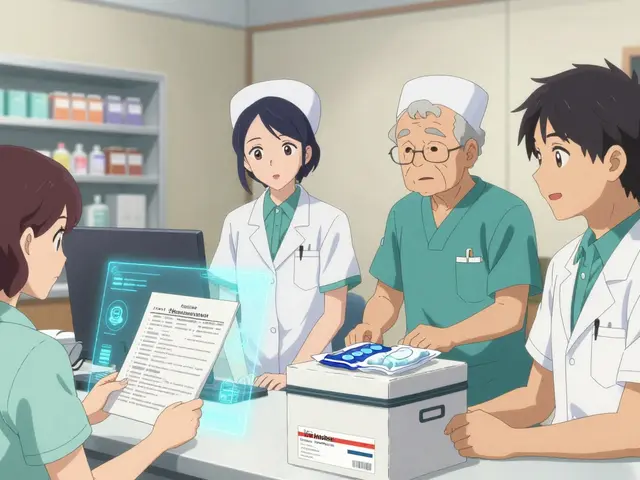
The FDA uses real-time data, inspections, and reporting systems to monitor generic drug safety after approval. Learn how FAERS, Sentinel, and manufacturing checks protect patients from hidden risks.
Doctors around the world view generic medications differently based on their healthcare systems. From Europe’s policy-driven adoption to India’s life-saving supply chains, generics are becoming essential-not optional.
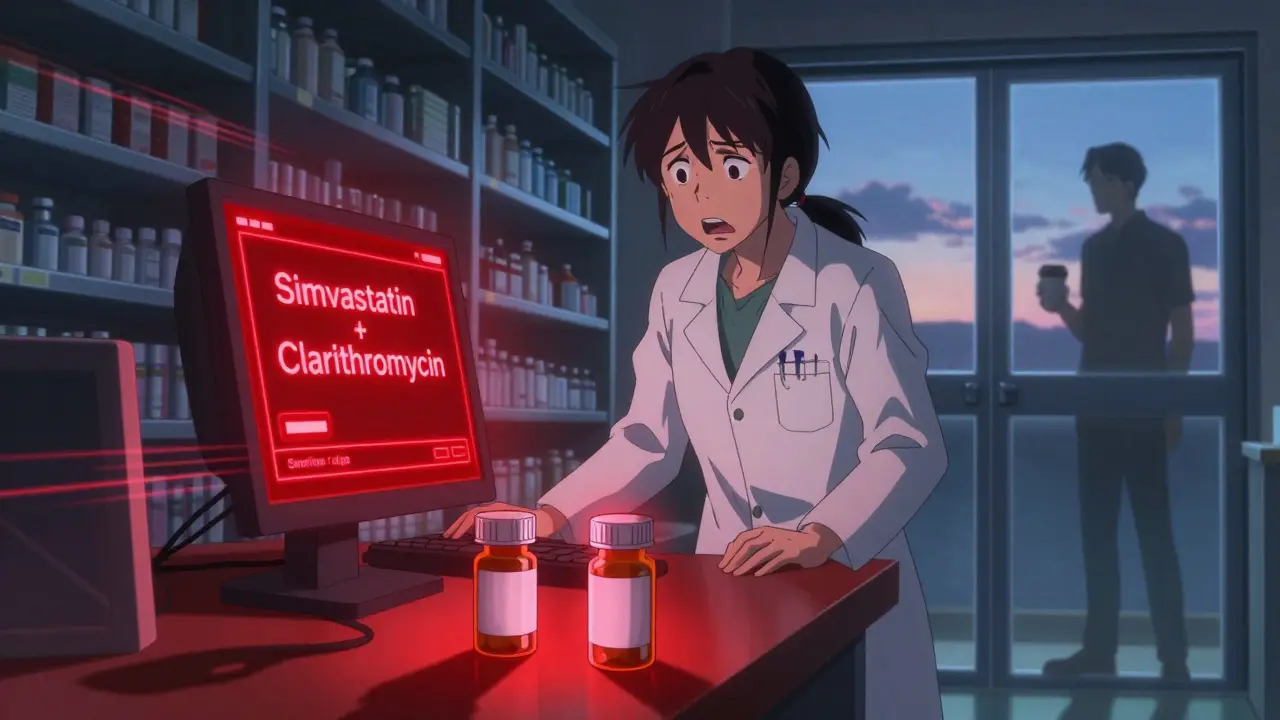
Learn the top five dangerous drug combinations that can cause serious harm or death-and what you and your pharmacist can do to stop them before it's too late.
Learn how to report side effects after switching to a generic medication. Step-by-step guide to filing a report with the FDA, what details to include, and why your report matters for drug safety.
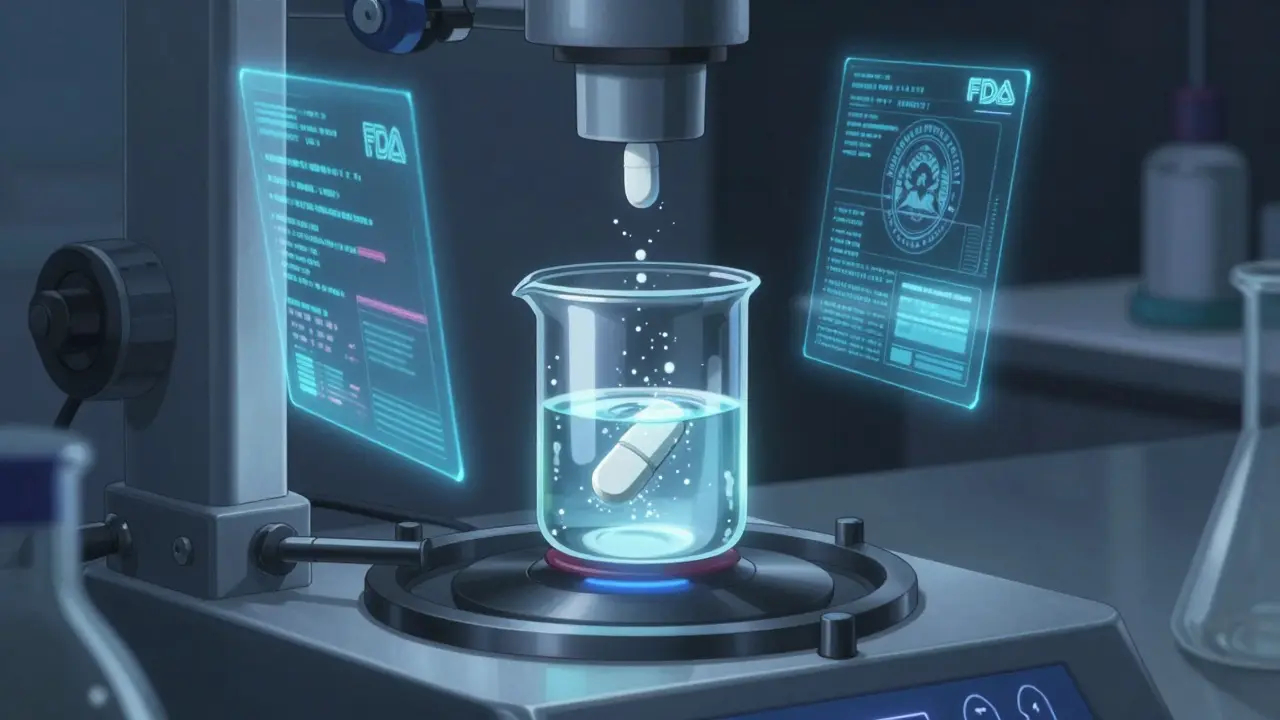
The FDA uses dissolution testing to ensure generic drugs release their active ingredients at the same rate as brand-name versions. This lab-based method replaces human trials for many drugs, ensuring safety, effectiveness, and consistency without unnecessary costs.
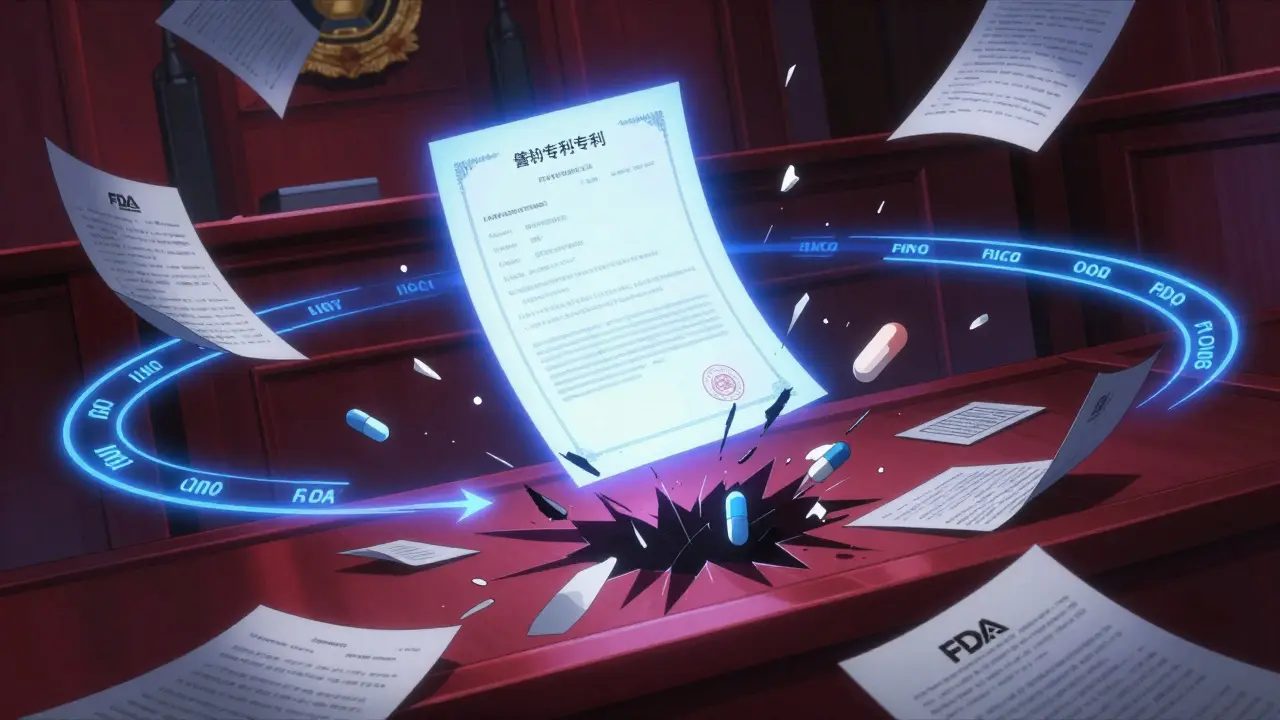
Learn how pharmaceutical companies predict when generic drugs will enter the market after patent expiration. Understand the legal, regulatory, and strategic factors that determine timing, pricing, and competition.
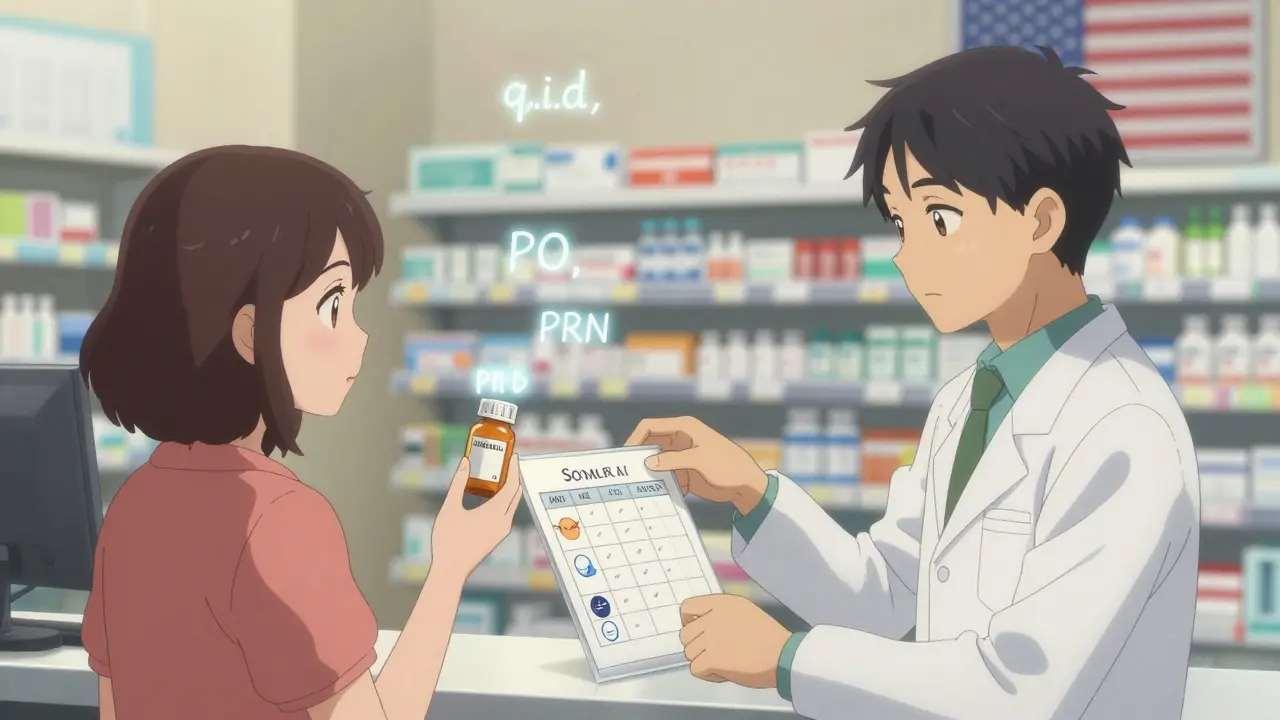
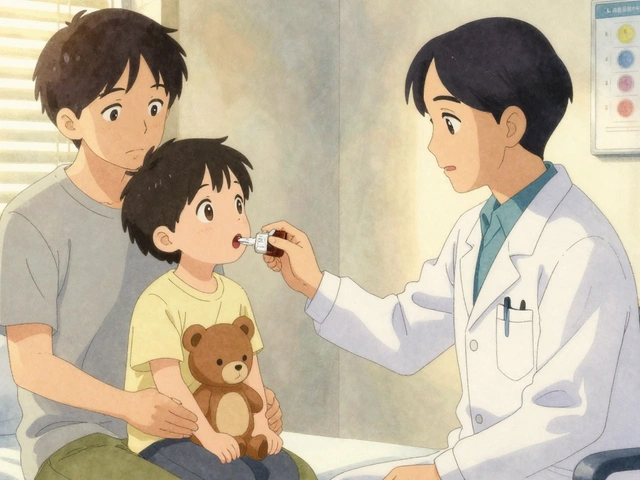
Learn how to ask for clear, written medication instructions you can actually understand. Know your rights, use proven phrases, and get the help you need to take your meds safely.
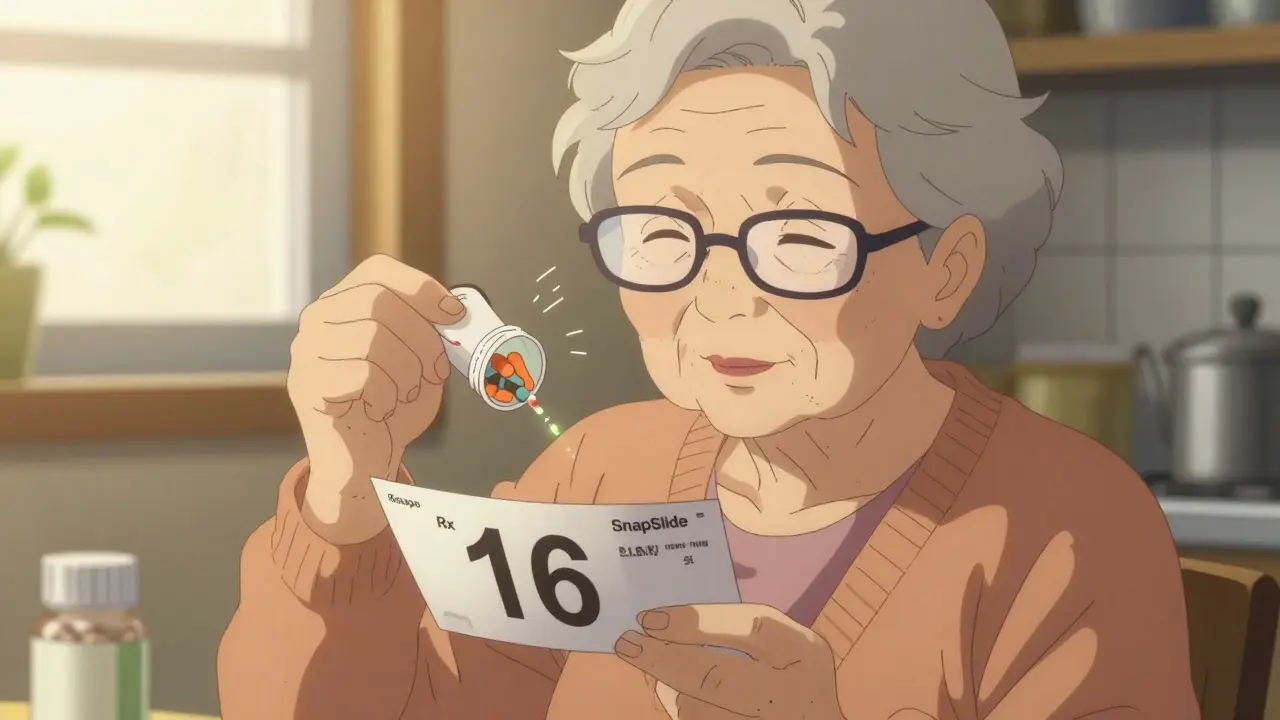
Learn how to request easy-open caps and accessible labels for prescription medications to improve safety and adherence. No doctor's note needed-just ask. Learn your rights, what options exist, and how to get them from your pharmacy.
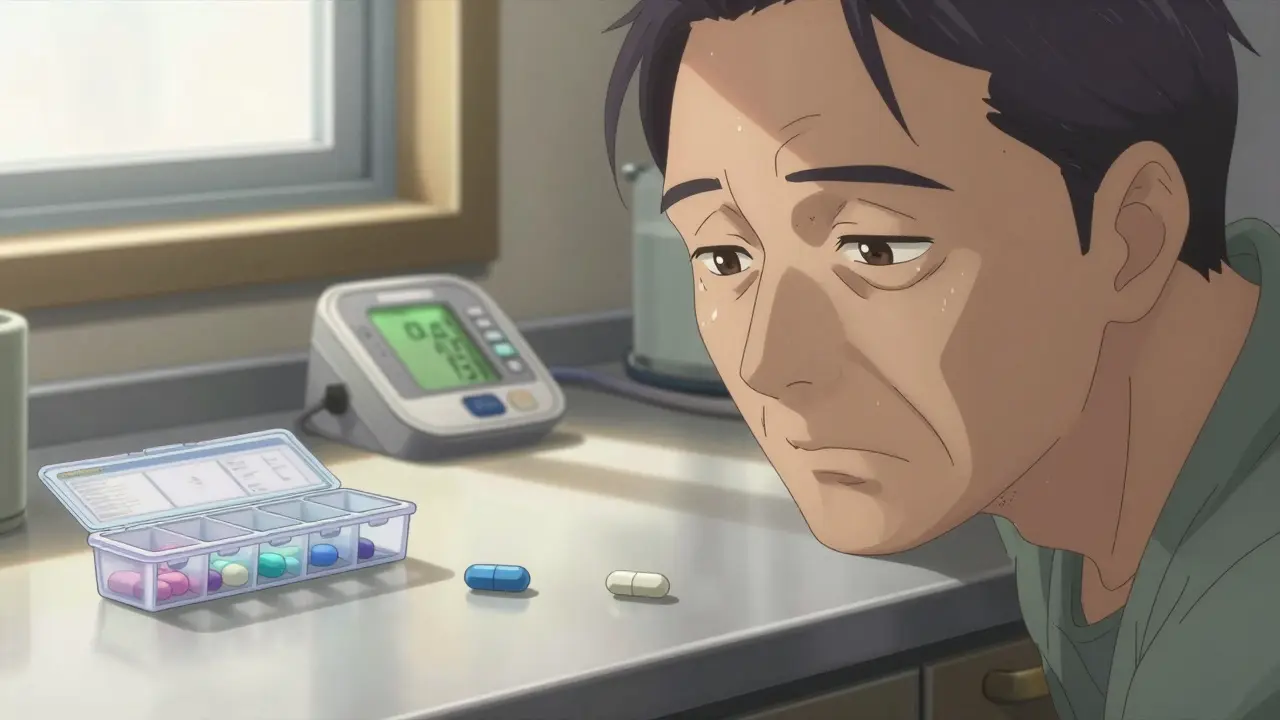
Many patients take separate generic pills instead of fixed-dose combinations to save money or get precise dosing. But this practice increases the risk of missed doses, errors, and untested drug interactions. Here's what you need to know.
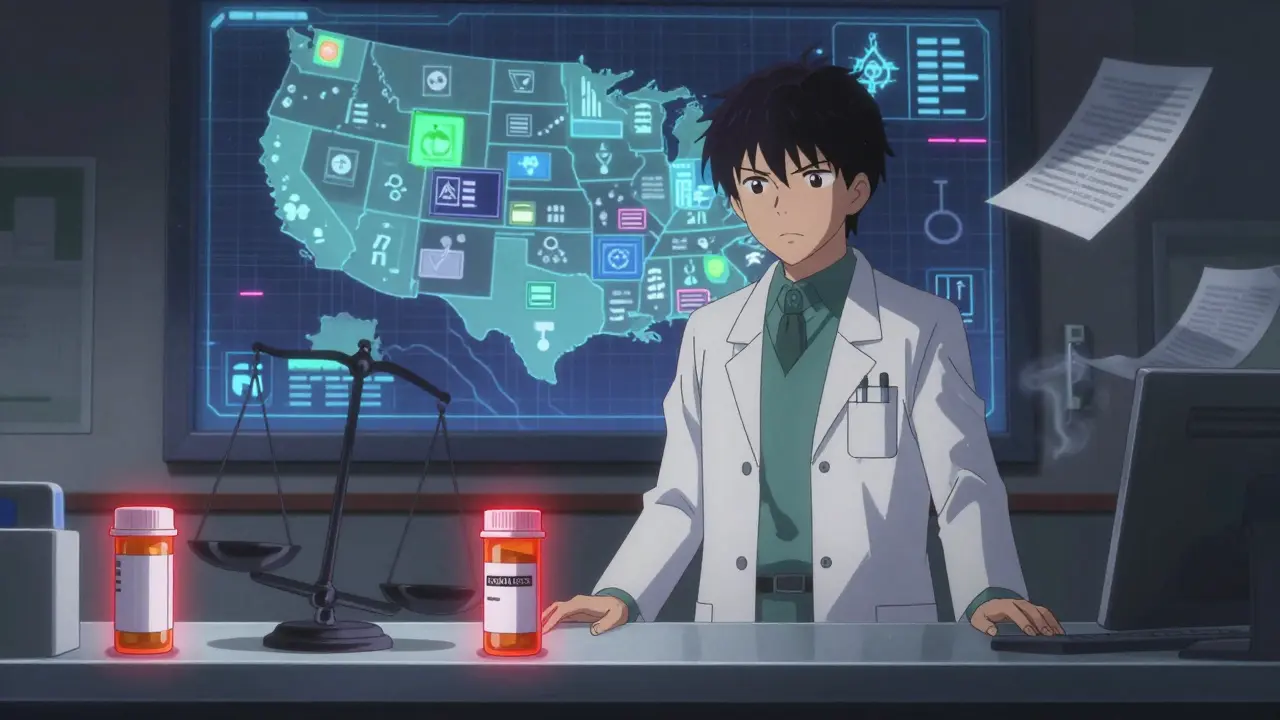
Generic substitution saves money but increases legal risk for pharmacists. Learn how state laws, high-risk drugs, and documentation practices affect liability-and how to protect yourself and your patients.
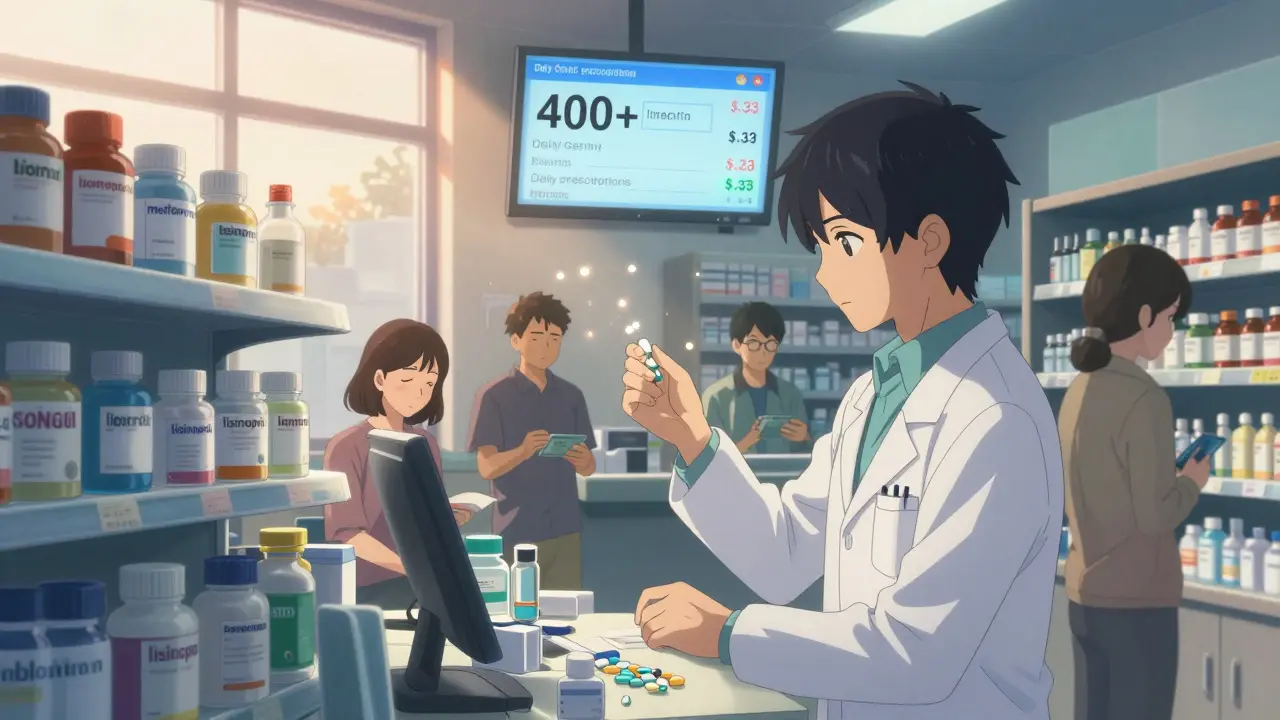
Generics make up 90% of prescriptions but only 25% of drug spending-yet they generate nearly all of a pharmacy’s profit. Here’s how the math works, who controls the money, and why independent pharmacies are struggling to survive.
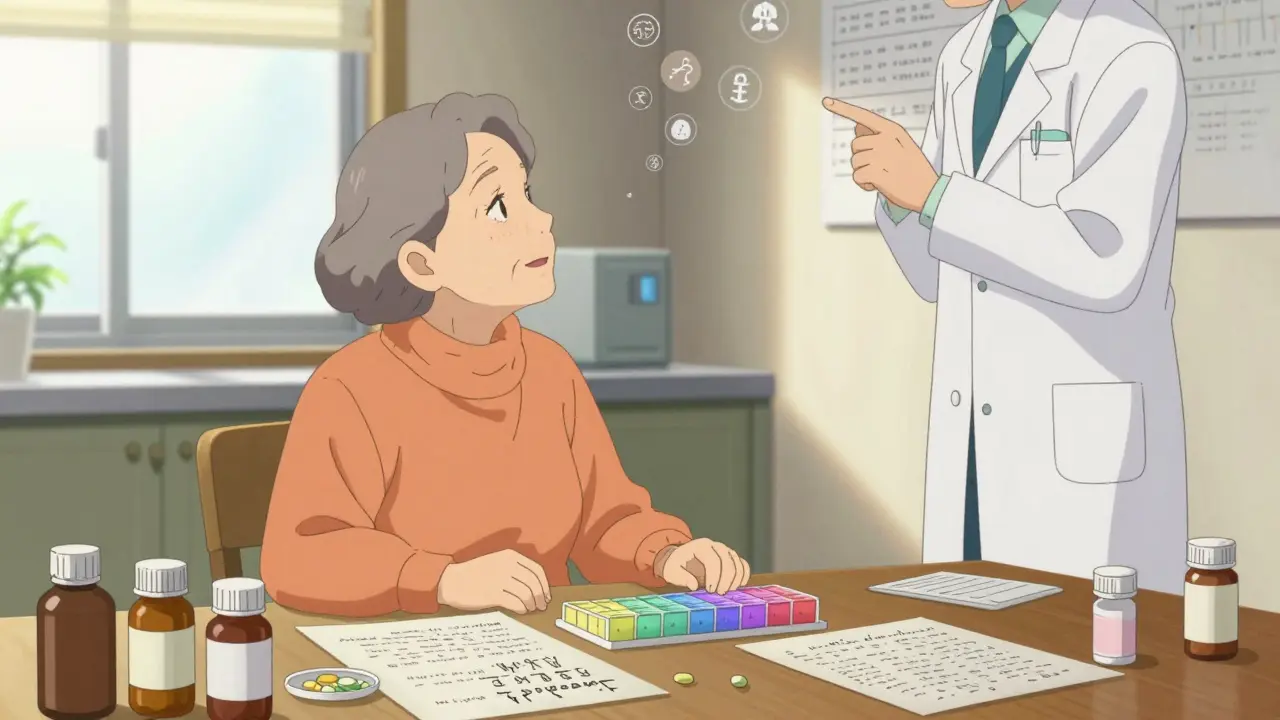
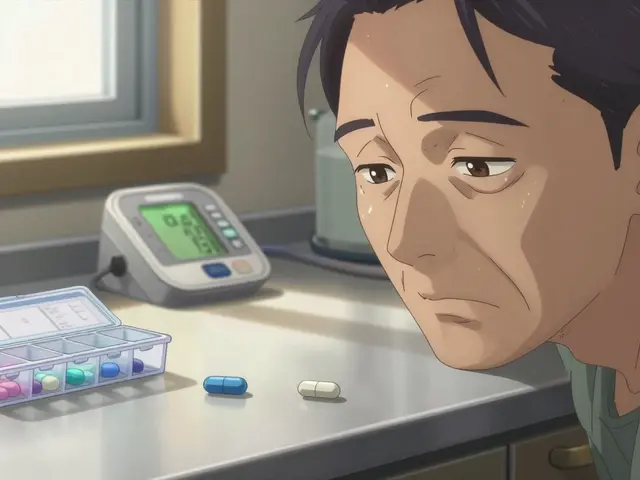
Learn how to safely manage multiple prescriptions by using one pharmacy, syncing refills, using pill organizers, and tracking interactions. Reduce risks of dangerous drug conflicts and hospital visits.
Recent-posts

Oct, 19 2025

Mar, 25 2025
Jan, 29 2026
Dec, 4 2025
Dec, 20 2025
Categories
Tags
- online pharmacy
- generic drugs
- side effects
- drug interactions
- online pharmacy UK
- drug safety
- opioid side effects
- medication timing
- pill organizer
- Tadalafil
- arthritis medication
- buy medication online
- prescription medication
- quit smoking
- motion sickness
- Sildenafil
- Vardenafil
- ED medication alternatives
- biologics
- medication safety