
When you pick up a prescription at the pharmacy, you might not think twice about whether it’s a brand-name drug or a generic. But across the globe, doctors, pharmacists, and health systems see generics in wildly different ways. In some countries, they’re the default choice. In others, they’re still met with hesitation. The truth? How providers view generics isn’t about the medicine itself-it’s about the system they work in.
Europe: Generics as Policy, Not Just Preference
In Germany, France, and the UK, generics aren’t just an option-they’re part of the healthcare DNA. Government policies push pharmacists to swap brand-name drugs for generics whenever possible. In Germany, over 80% of prescriptions are filled with generics. That’s not because patients ask for them. It’s because the system rewards it. European providers don’t see generics as a compromise. They see them as a tool to keep the system running. With aging populations and rising costs, every euro saved on a blood pressure pill or diabetes med adds up. A 2025 analysis showed Europe holds nearly 29% of the global generic market-$123 billion worth. And while growth is slow now, providers still rely on them. They know that if you cut drug spending by 30% without losing effectiveness, you’re not cutting corners. You’re cutting waste.Asia-Pacific: Generics as Lifelines
In India and China, generics aren’t just affordable-they’re essential. Millions of people don’t have insurance. They don’t have choices. If a generic isn’t available, the treatment isn’t either. Indian manufacturers supply nearly 40% of all generic drugs used in the United States. That’s not a coincidence. It’s a result of decades of investment in low-cost production, strict quality control, and government backing. Indian doctors don’t debate whether to prescribe generics. They ask: Which one works? And they’ve seen the data. A generic insulin or antibiotic from India has the same active ingredient, same absorption rate, same success rate as the brand-name version. In Southeast Asia and parts of Africa, providers are shifting fast. Where once they prescribed branded drugs because they were more familiar, now they’re trained to start with generics. It’s not just cheaper-it’s faster. Health ministries are rolling out formularies that list generics first. Providers follow. It’s not about trust in the drug. It’s about trust in the system that approves it.United States: The High-Stakes Paradox
In the U.S., generics make up 90% of all prescriptions. But they account for only 15% of total drug spending. Why? Because brand-name drugs are still priced like luxury goods. A monthly cancer drug might cost $10,000. The generic version? $300. Doctors here love generics-for their patients’ wallets. But they’re also frustrated. Drug shortages happen more often with generics. A 2024 FDA report flagged over 300 generic medications in short supply, including antibiotics and heart meds. When a hospital runs out of generic metformin, it’s not just an inconvenience. It’s a crisis. And then there’s the quality question. Some U.S. providers still worry about foreign manufacturing. But here’s the truth: 80% of the active ingredients in U.S. generics come from India and China. The FDA inspects those factories. They fail inspections. They fix them. And they keep approving the drugs. Providers who’ve seen the data know: a generic pill from a certified factory is just as safe as the brand name.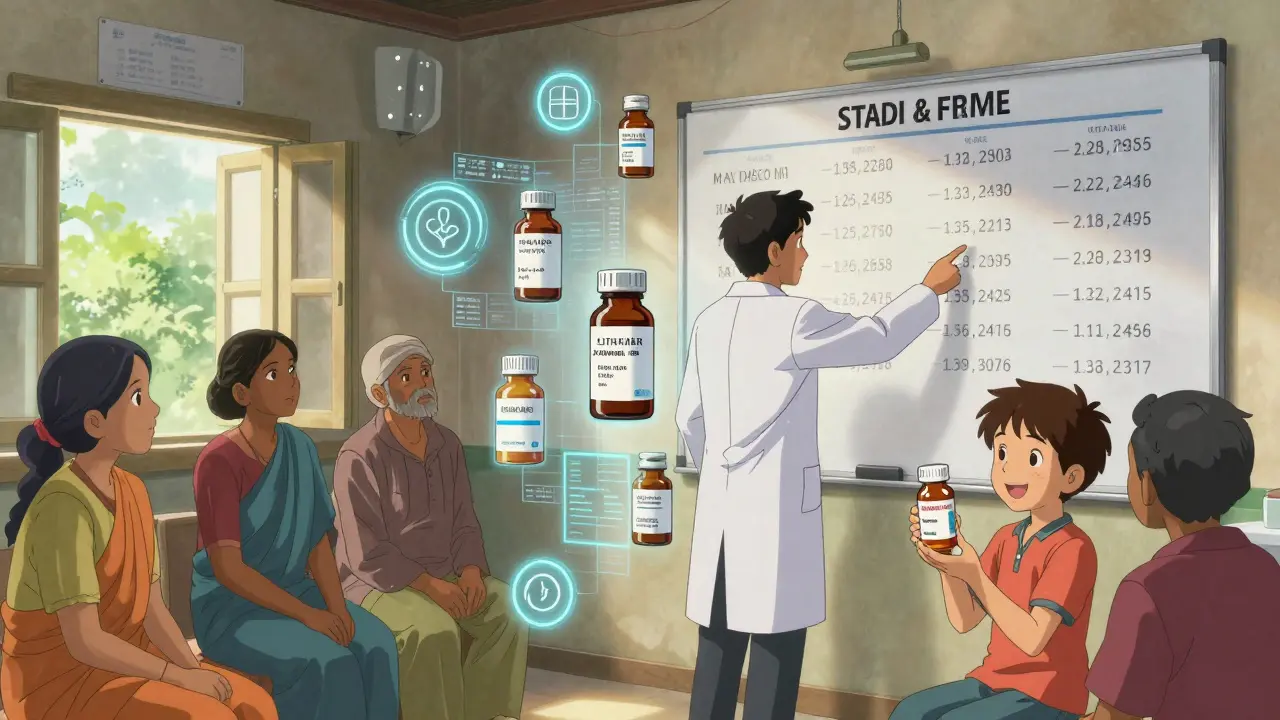
Japan: Price Cuts, Not Choice
Japan doesn’t have a culture of brand loyalty in medicine. Instead, it has rigid price controls. Every two years, the government slashes the price of every drug on the market-brand and generic alike. The result? Generics dominate. Over 80% of prescriptions are for generics. But here’s the twist: doctors don’t choose them because they’re cheaper. They choose them because they’re the only option left. Pharmaceutical companies know this. They’ve stopped investing in new versions of old drugs. Why spend millions on a drug that will be cut in price in two years? So providers in Japan work with what’s left-and what’s left is mostly generics. It’s not a preference. It’s a necessity built into the system.Emerging Markets: From Luxury to Default
In Brazil, Turkey, and parts of Eastern Europe, generics were once seen as second-tier. That’s changing fast. As chronic diseases like diabetes and heart failure rise, governments can’t afford to pay for expensive branded drugs. Providers are being trained to prescribe generics first. In some clinics, they’re required to. The shift isn’t just policy. It’s lived experience. A nurse in Istanbul told me last year: “I used to think generics were for poor people. Then I saw my own mother take a generic blood thinner for five years. She’s fine. So are the others.” That’s the turning point. When providers see real results in real people, skepticism fades.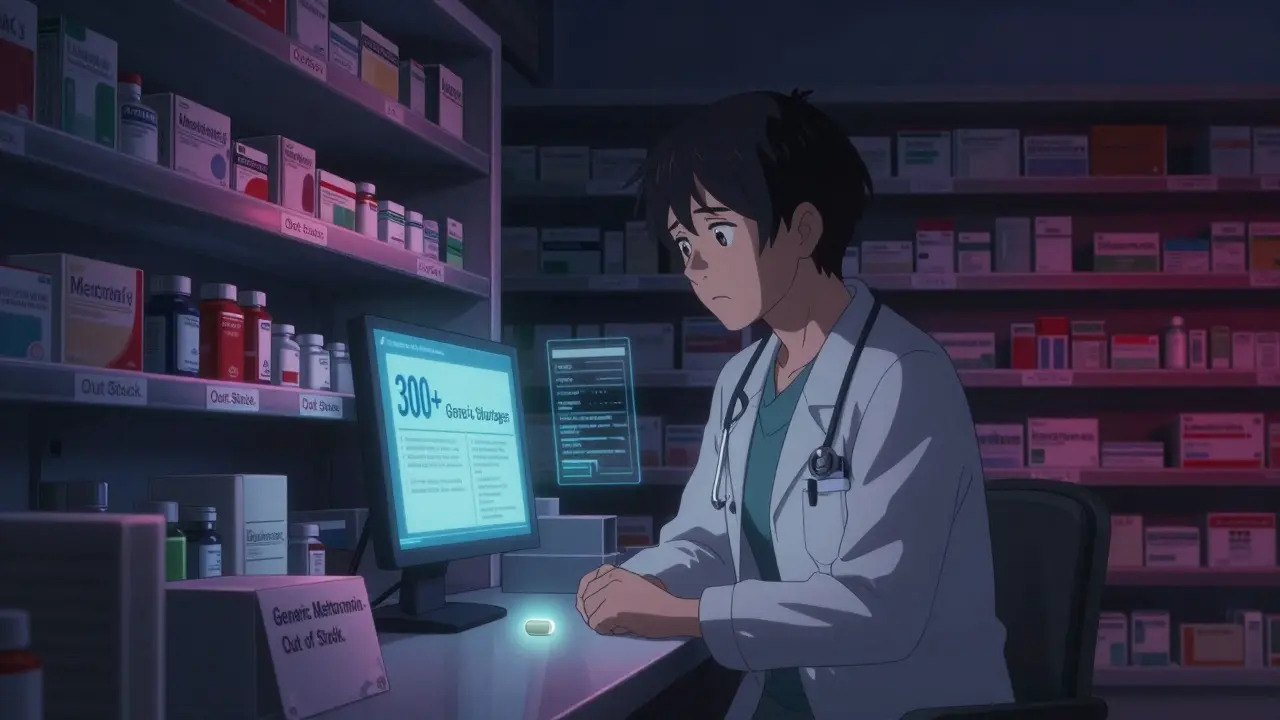


Kelly McRainey Moore
January 21, 2026 AT 05:56Really enjoyed this breakdown. I work in a clinic where we push generics daily, and it’s wild how much stigma still exists-even among educated folks. My grandma still thinks ‘generic’ means ‘weak medicine,’ but she’s been on the same generic blood pressure pill for 7 years and is healthier than ever. 🌿
Ashok Sakra
January 22, 2026 AT 20:44OMG I’m from India and we make like 80% of the world’s generics and people here still think they’re fake?! Like bro, my uncle took generic insulin for 12 years and he’s still alive and dancing at weddings. Why you doubt us? We don’t cheat. We just build cheap stuff that WORKS. 🇮🇳💪
Gerard Jordan
January 24, 2026 AT 02:28Love this so much! 🙌 As someone who’s lived in 5 countries, I’ve seen how generics are treated like magic potions in some places and suspicious junk in others. The real issue isn’t the pill-it’s the fear of losing control. When you’re used to paying $500 for a pill, $5 feels like a trap. But science doesn’t care about your wallet. 😊
michelle Brownsea
January 24, 2026 AT 19:28Let’s be crystal clear: the FDA’s approval process for generics is not merely ‘equivalent’-it is legally and pharmacologically identical in bioavailability, dissolution rate, and active pharmaceutical ingredient concentration. Any provider who claims otherwise is either misinformed or financially incentivized to perpetuate brand-name dependency. The system is rigged, and the public is being manipulated by corporate marketing, not science. End of story.
Roisin Kelly
January 25, 2026 AT 00:19Wait-so you’re telling me the same pills made in China are safe? But what if they’re laced with something? I heard the FDA doesn’t even inspect those factories properly. My cousin’s neighbor’s cousin got sick from a generic heart med. You think that’s a coincidence? 👀
Yuri Hyuga
January 26, 2026 AT 14:21Brilliant analysis. The global disparity in perception is less about medicine and more about institutional trust. In the UK, we trust the NHS to vet everything. In the US, we distrust corporations-but then we still pay for their branded products. The cognitive dissonance is fascinating. Generics are the quiet revolution. We just need to stop calling them ‘generic’ and start calling them ‘standard.’
Kevin Narvaes
January 26, 2026 AT 14:22generic drugs r just brand name drugs with diff labels lmao. why do u think the big pharma co’s dont make them? cuz they dont wanna make less money. the science? yeah its same but the fillers? totally diff. i got a rash from a generic omeprazole. brand name? fine. coincidence? i think not.
Dee Monroe
January 27, 2026 AT 06:26It’s funny how we’ve been conditioned to equate price with quality, isn’t it? Like if something’s cheap, it must be bad-but we don’t think that way about bread, or toothpaste, or jeans. We accept that mass production leads to affordability and accessibility. So why does medicine get a free pass to be the one thing that can’t be efficient? Maybe it’s because we’ve been told for decades that ‘you get what you pay for’-but in healthcare, the real truth is: you get what the system allows you to get.
Philip Williams
January 27, 2026 AT 17:54One critical point often overlooked: the regulatory standards for generics in the EU, US, and WHO-listed countries are harmonized. The active ingredient, dosage form, strength, route of administration, and pharmacokinetic profile must be bioequivalent. The manufacturing facilities are subject to the same Good Manufacturing Practices. The only variable is cost-and that’s a policy decision, not a medical one.
Rod Wheatley
January 28, 2026 AT 11:24As a pharmacist for 18 years, I’ve filled millions of generics. I’ve seen patients cry because they couldn’t afford the brand. I’ve seen them get better on generics. I’ve also seen shortages wipe out entire hospital formularies. It’s not about trust in the pill-it’s about trust in the supply chain. And that’s broken in places. We need more domestic manufacturing. Not to protect brands-but to protect patients.
Jarrod Flesch
January 30, 2026 AT 05:28Just had a chat with a mate from Melbourne who’s a GP-he said they’ve been prescribing generics for everything since 2020. Even the expensive inhalers. He said the patients don’t notice a difference, and the hospital saves enough to hire two more nurses. 🇦🇺💚
Barbara Mahone
January 30, 2026 AT 21:19Interesting how the cultural perception shifts with economic pressure. In the U.S., we frame generics as a compromise. In Japan, they’re the only option. In India, they’re the backbone. The medicine doesn’t change. But the story we tell about it does.
Stephen Rock
January 31, 2026 AT 17:45Generics are a scam. The FDA approves them because they’re too lazy to shut down foreign labs. You think your ‘generic’ metformin is safe? Look up the 2022 recall of 3 million pills from a Bangalore plant. They skipped stability testing. You’re gambling with your life. And no, I’m not paranoid. I read the reports.
Amber Lane
January 31, 2026 AT 21:44My mom’s generic statin saved us $2,000 a year. She’s fine. End of story.