

Hemorrhage Risk & Anticoagulant Safety Assistant
How to use: Select your medication and enter patient details to receive safety guidance based on clinical guidelines regarding renal function and age.
Imagine walking a tightrope between life-saving clot prevention and life-threatening bleeding. That is the daily reality for millions of people taking blood thinners. In 2026, we have better tools than ever before, yet the fundamental challenge remains the same: how do we stop dangerous clots without causing dangerous bleeds? This balance isn't just about prescription pads; it involves kidney function, age, surgery, and sometimes split-second emergency decisions when things go wrong.
Anticoagulants are powerful medications designed to slow down the blood's ability to clot. While this sounds simple, the mechanism affects a delicate system involving proteins, enzymes, and platelets. If the balance tips too far toward preventing clots, the body loses its ability to stop bleeding from a fall or a surgical cut. Understanding this relationship is critical because, according to the American College of Cardiology, adverse drug reactions linked to these medications account for a significant number of emergency room visits. We aren't here to scare anyone, but rather to clarify exactly how these drugs work, where the risks lie, and what modern medicine does to keep patients safe.
The Drug Landscape: From Warfarin to Modern Options
To prevent bleeding, you first need to know what you are working with. The world of AnticoagulantsMedications used to prevent or treat blood clots by interfering with the coagulation cascade has evolved dramatically over the last century. Historically, Warfarin was the king of the hill. It works by blocking Vitamin K, which the liver needs to make certain clotting factors. Because it interacts with so many foods and other drugs, it requires careful monitoring via the INR test (International Normalized Ratio).
In recent years, Direct Oral Anticoagulants (DOACs) have largely taken over the market. These include DabigatranA direct thrombin inhibitor approved by the FDA in 2010 for stroke prevention and Factor Xa inhibitors like apixaban and rivaroxaban. These drugs hit specific targets in the clotting chain directly, meaning less interference with diet and fewer regular blood tests for most people. However, 'less monitoring' doesn't mean 'no risk.' If your kidneys aren't filtering well, these drugs can build up to dangerous levels, turning a preventive medication into a bleeding hazard.
| Class | Mechanism | Monitoring Required | Key Risk Factors |
|---|---|---|---|
| Warfarin | Vitamin K Antagonist | Frequent INR checks | Drug/Food interactions |
| DOACs (Factor Xa) | Direct Thrombin/Factor Xa Inhibition | Periodic Renal Checks | Kidney function (CrCl) |
| Heparin/LMWH | Antithrombin Activation | aPTT (UFH) or None (LMWH) | HIT (Platelet drop) |
Injectable options like HeparinA fast-acting anticoagulant often used in hospital settings and during surgeries still play a vital role, especially when immediate effect is needed or oral intake isn't possible. Unfractionated heparin allows for quick control of dosing through IV infusion, while Low Molecular Weight Heparin (LMWH) offers the convenience of once or twice-daily injections. Despite their utility, they carry unique risks like Heparin-Induced Thrombocytopenia, where the treatment itself causes low platelet counts, paradoxically increasing clot risk.
Risk Factors: Why Bleeding Occurs
Bleeding doesn't happen randomly; it usually follows a pattern. Statistics consistently show that the risk increases significantly for adults over 75 years old. Why? Aging naturally alters how the body metabolizes drugs and makes blood vessels more fragile. But age is only part of the story. Renal insufficiency is arguably the biggest silent killer in this equation. When creatinine clearance drops below 50 mL/min, the risk of major bleeding doubles compared to those with normal kidney function.
Another major contributor is the combination of therapies. Patients are frequently told to take aspirin alongside their blood thinner to protect the heart. This 'dual therapy' bumps the major bleeding risk up by another 50% to 70%. Sometimes, it's necessary for the short term after a stent placement, but keeping it going longer adds cumulative danger without much added benefit.
We also have to talk about lifestyle factors that interact with physiology. High alcohol intake, frequent falls due to mobility issues, and even routine activities like dental work can become high-stakes events. A standard dose of apixaban might be safe for a healthy 50-year-old but could be lethal for someone with severe renal impairment who hasn't had their dose adjusted. This brings us back to the cornerstone of safety: patient selection and ongoing assessment.
Strategies for Hemorrhage Prevention
Preventing a bleed starts before the first pill is swallowed. Clinicians look at specific scores, like the HAS-BLED score, to estimate risk based on hypertension, abnormal liver function, prior bleeding, labile INR, elderly status, drugs/alcohol, and unstable disease. But what can patients do? Active management is key. Regular kidney function tests are non-negotiable. For warfarin users, keeping the Time in Therapeutic Range (TTR) above 70% drastically cuts bleeding events. Every 10% drop below that safe window correlates with a 15% spike in major bleeding risk.
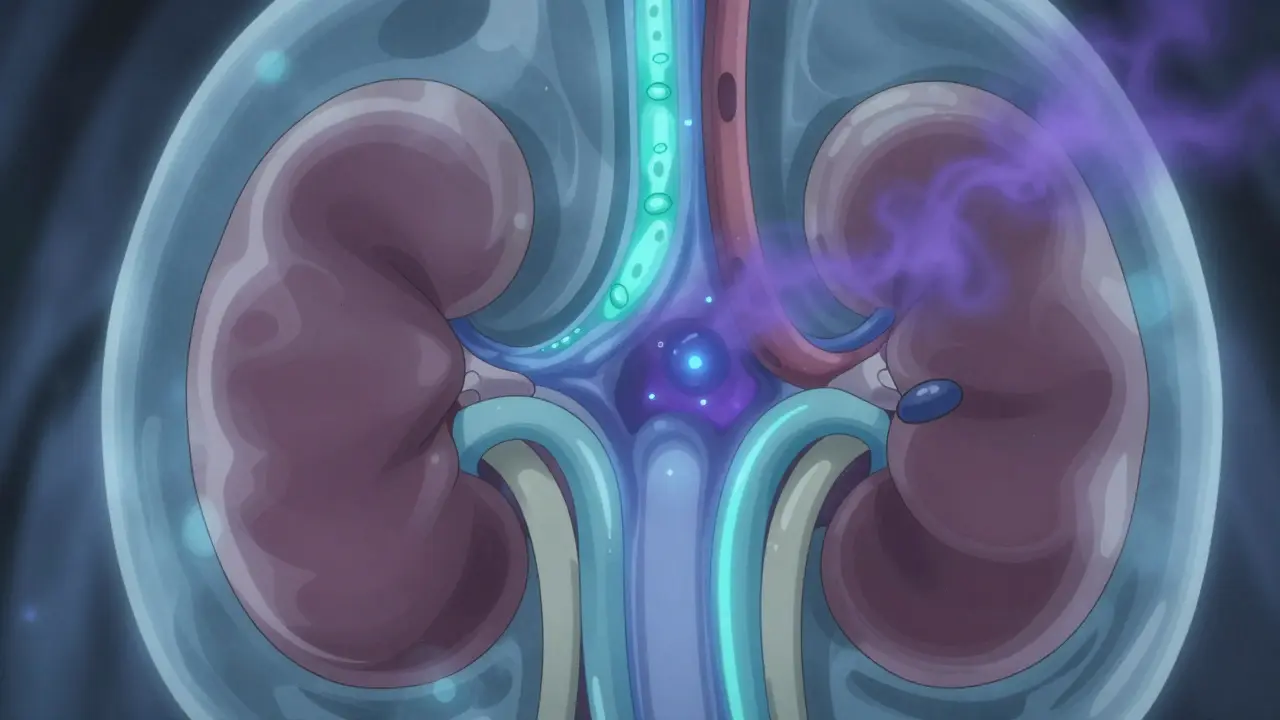
For DOAC users, since we don't monitor them constantly like warfarin, proactive renal testing becomes the equivalent of INR checks. Guidelines recommend checking renal function every 3 to 6 months for stable patients, but much more often if there are signs of dehydration or illness. If the creatinine clearance falls, the dose must come down. Specifically, apixaban requires a reduction if CrCl is under 25 mL/min, whereas rivaroxaban needs adjustment at 50 mL/min. Ignoring these thresholds turns a life-saving drug into a ticking time bomb.
When Emergencies Strike: Reversal Protocols
Sometimes, despite our best efforts, bleeding happens. When it does, speed is everything. You cannot just "stop" the medication and wait; the active drug in the bloodstream continues to work for hours. That is where reversal agents come in. The landscape of antidotes has matured significantly. For patients on warfarin, Four-Factor Prothrombin Complex Concentrate (4F-PCC) is the gold standard. It corrects the INR within 15 minutes, making it superior to older methods like fresh frozen plasma, which takes 20-30 minutes to thaw and infuse.
DOACs require specific keys. IdarucizumabA monoclonal antibody fragment approved in 2015 to reverse dabigatran effects is designed specifically for dabigatran. It binds to the drug molecule and neutralizes it immediately. For the more common Factor Xa inhibitors (apixaban, rivaroxaban), andexanet alfa serves this purpose. Approved in 2018, it represents a massive leap forward, though its high cost remains a barrier for some facilities. In cases where specific antidotes aren't available, activated charcoal or non-specific measures like tranexamic acid might be considered, but specific reversal remains the priority for life-threatening hemorrhage.
Heparin offers the simplest reversal protocol of all. Protamine sulfate neutralizes unfractionated heparin completely. However, it only partially reverses LMWH. This distinction matters during acute interventions. Knowing exactly which drug a patient took-and when they last took it-is vital information for the trauma team.
Navigating Special Scenarios
Treatment gets complicated when we add comorbidities. Take surgery, for instance. Stopping the drug too early invites a clot; keeping it on invites a bleed. Current guidelines suggest bridging strategies for patients with mechanical heart valves, but for many atrial fibrillation patients, stopping just two days prior might suffice. Post-procedure restart times depend entirely on whether the procedure carried high bleeding risk.
Pregnancy presents another complex layer. Women with antiphospholipid syndrome or unprovoked clots need continuous protection throughout gestation, as pregnancy itself creates a hypercoagulable state. Warfarin is generally avoided due to teratogenicity (risk of birth defects), leaving LMWH as the safer choice, monitored closely with anti-Xa levels. Even abortion procedures, particularly in the first trimester, carry a calculated risk of bleeding for anticoagulated patients. Management involves weighing the procedural risk against the thrombotic risk, often continuing prophylaxis but being prepared for intervention if hemoglobin drops significantly.

The Future of Safety
As we move further into 2026, technology is catching up to pharmacology. One of the biggest gaps today is the lack of rapid testing for DOACs. With warfarin, we have the INR finger-prick test. For DOACs, we rely on blood draws sent to central labs, causing delays. Several point-of-care assays are in development now, promising real-time measurement similar to glucose monitors. Modeling suggests these tools could reduce bleeding events by up to 20% simply by allowing faster dosing adjustments.
We are also seeing research into 'universal' antidotes like ciraparantag. While trials are ongoing, the concept of one drug reversing multiple anticoagulant classes would simplify emergency protocols globally. Until then, precise education for healthcare providers and patients remains the most effective tool we have. The goal is not to fear these medicines-they save lives daily-but to respect their power and manage the environment in which they operate.
Frequently Asked Questions
Can I stop my blood thinner if I bruise easily?
No. Bruising is common, but stopping abruptly increases the risk of stroke or pulmonary embolism. Contact your doctor to assess if the dose needs adjustment or if another cause, like vitamin deficiency, exists.
What foods interact with warfarin?
Leafy greens like spinach, kale, and broccoli are high in Vitamin K. They don't need to be avoided, but kept consistent. Sudden increases in intake can lower the drug's effectiveness.
Is it safe to drink alcohol while on anticoagulants?
Moderate consumption is generally okay, but heavy drinking raises bleeding risk. Alcohol can irritate the stomach lining and interact with how the liver processes the medication.
Do I need kidney tests if I take a DOAC?
Yes. Unlike warfarin, DOACs are cleared primarily by the kidneys. Annual or semi-annual kidney function checks are mandatory to ensure the drug isn't accumulating to toxic levels.
What are the signs of serious bleeding?
Look for headaches, vision changes, blood in urine or stool, coughing up blood, or bruises appearing without explanation. Seek emergency care immediately if suspected.







Jordan Marx
March 28, 2026 AT 21:27We really need to focus on the pharmacokinetic profile when discussing creatinine clearance thresholds in clinical settings. The interaction between apixaban and renal function is absolutely critical for preventing major hemorrhagic events. Many practitioners forget that the half-life extends significantly when glomerular filtration rates drop below fifty milliliters per minute. If we ignore these baseline parameters during initiation protocols, the patient accumulates drug levels that pose unnecessary risks. The HAS-BLED score helps identify candidates but does not eliminate the need for vigilant monitoring of laboratory values. Adjustments should happen proactively rather than reactively when bleeding complications manifest in the hospital. We cannot rely solely on the international normalized ratio for modern direct oral anticoagulants as they lack standardized testing metrics. Renal dysfunction remains the single most modifiable risk factor in the current literature regarding adverse outcomes. Clinicians must review medication lists for concurrent nephrotoxic agents that compound the excretion burden. Even minor fluctuations in fluid status can drastically alter the volume of distribution for these lipophilic compounds. Regular interval testing ensures that the therapeutic window is maintained without causing toxic overload. It is fundamentally important to educate patients on hydration and consistent dietary habits to support stable metabolic processing. Bridging therapies require careful calculation of residual activity before surgical interventions to prevent paradoxical clotting issues. Emergency reversal protocols depend heavily on knowing the exact last dose administration time recorded in charts. Failure to document this detail delays the administration of andexanet alfa or idarucizumab during acute crises. The cost barrier is real but never outweighs the necessity of having antidotes available immediately in trauma bays.
gina macabuhay
March 29, 2026 AT 01:31Your adherence to established guidelines is commendable yet utterly naive regarding real-world efficacy. The statistical models you cite fail to account for individual biological variances that render averages meaningless in practice. Medical institutions prioritize protocol compliance over actual patient survival outcomes due to liability fears. You speak of vigilance as if hospitals are staffed with neurologists capable of spotting early warning signs of coagulopathy. Monitoring costs escalate healthcare burdens while providing diminishing returns on marginal risk reduction strategies. The industry pushes these newer agents primarily for revenue generation rather than genuine improvement in safety profiles. We tolerate high failure rates because the alternative regulatory framework is even less palatable for insurance underwriters.
walker texaxsranger
March 30, 2026 AT 12:21big pharma controls the data streams and dictates what doctors see in textbooks warfarin was safer but now they want profit margins instead of patient care dont trust the fda studies on dabigatran renal clearance numbers are manipulated to push sales of expensive drugs
Debra Brigman
March 31, 2026 AT 16:16The human vessel becomes a river navigating treacherous currents where the dam of chemistry attempts to hold back the flood of chaos. We dance upon the precipice of our own biology seeking balance in a universe designed for entropy rather than homeostasis. These medications are merely extensions of the ancient struggle between preservation and destruction inherent in the animal spirit. To fear the blade is to deny the surgeon who holds the cure in the palm of his steady hand. We must accept the shadows cast by the light of science without losing faith in the dawn of healing.
tyler lamarre
April 2, 2026 AT 04:08Most people read this and think they understand coagulation pathways yet their knowledge ends at aspirin consumption. True literacy requires comprehending the enzymatic cascades involved in thrombin generation rather than anecdotal reports from internet forums. Ignorance is rampant among the lay population who consume health advice like cheap fast food. The intellectual discipline required to manage these agents separates the informed from the herd mentality. We must respect the hierarchy of medical evidence above personal testimonials found on social media platforms.
Tony Yorke
April 2, 2026 AT 16:54You know your stuff keep pushing forward.
Rachael Hammond
April 2, 2026 AT 23:14I think its really scary how easy it is to get hurt when taking this meds especially older peopl. My mom takes warafin and she gets bruised easily even from bumping into tables or chairs. the doctor said we need to check her kidneys often but honestly it feels like too many trips to the clinic. sometimes i worry she might bleed internally and we wont know until its too late for fixing anything. hope everyone here stays safe and listens to their team
Devon Riley
April 4, 2026 AT 10:03It sounds incredibly tough to watch a loved one navigate these challenges daily 😣 Your dedication to her safety shows so much love and strength 💗 There is power in being proactive about those checkups even when it feels overwhelming 🌟 Just remember that her care team wants the best outcome for her well-being always 🏨 Keep taking deep breaths and trust the process ⛲