
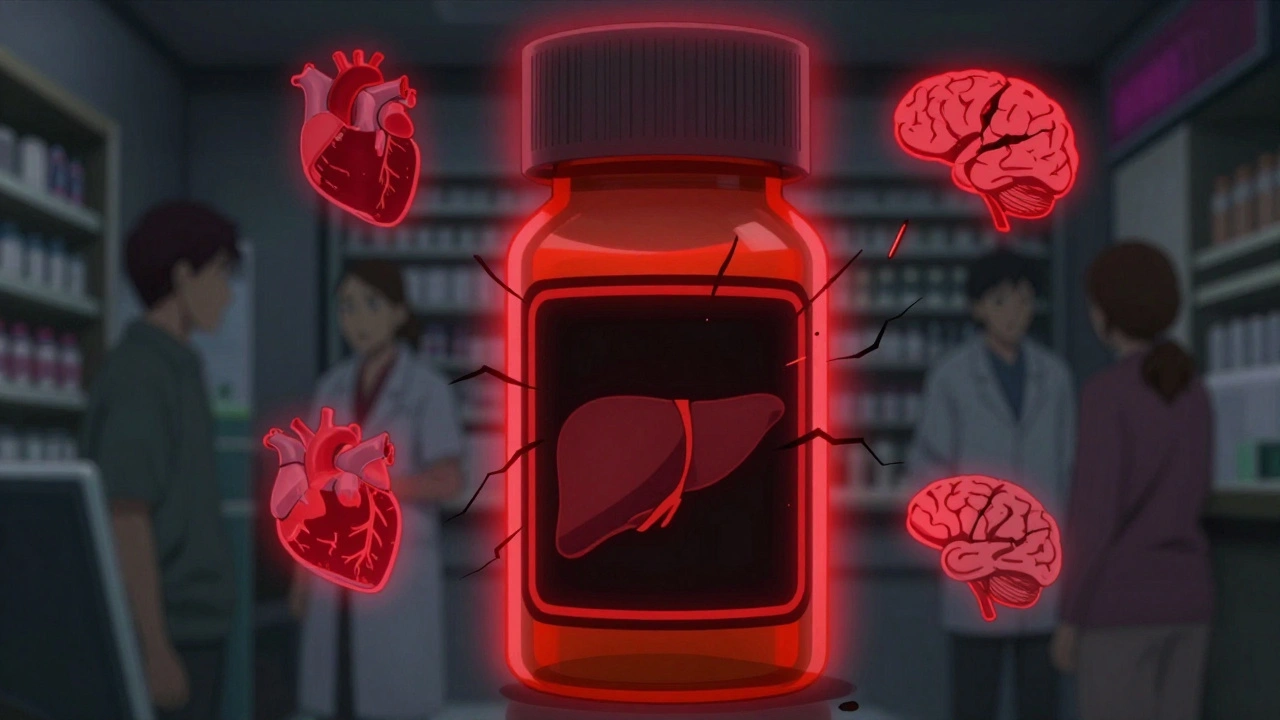
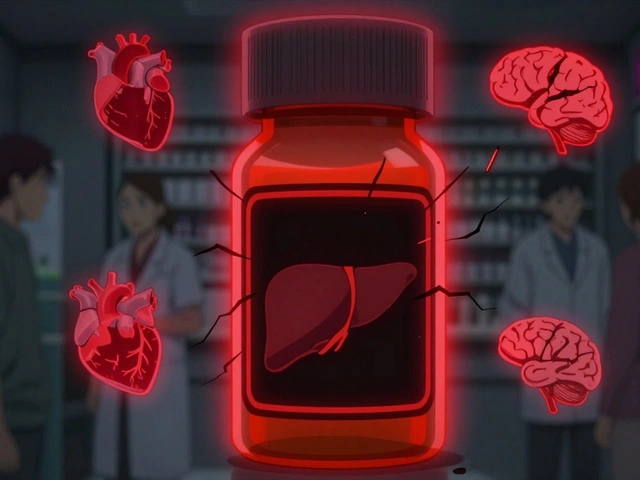
When you pick up a prescription, you might not notice the black border around a section of the label. But that box? It’s not just design. It’s a red flag from the FDA - the strongest safety warning they can give a drug. If a medication has a black box warning, it means the risks could be life-threatening. Not just uncomfortable. Not just rare. Potentially deadly.
What Exactly Is a Black Box Warning?
A black box warning is the highest level of safety alert the U.S. Food and Drug Administration (FDA) can require on a prescription drug. It’s called that because it’s printed inside a thick black border on the drug’s official labeling - the same document doctors and pharmacists use to understand how to safely prescribe and dispense the medicine. This isn’t a footnote. It’s front and center. Right after the Highlights of Prescribing Information, as of 2021, the FDA made sure it’s impossible to miss.These warnings aren’t added lightly. They’re reserved for side effects that can cause death or serious injury. Think heart failure, suicidal thoughts, liver damage, or severe allergic reactions. The FDA doesn’t slap this on a drug because it has a few complaints. It’s only used when the risk is severe enough that the benefits might not outweigh the danger for some people.
As of 2022, more than 400 medications in the U.S. carry this warning. That’s not a small number. It includes drugs for depression, diabetes, arthritis, cancer, and even some antibiotics. The warning doesn’t mean you can’t take the drug - but it does mean you need to know exactly what you’re signing up for.
Why Does the FDA Use Black Box Warnings?
The FDA doesn’t issue these warnings during drug testing alone. Most come after the drug is already on the market. That’s because some dangers only show up when thousands - or millions - of people use the drug over time.The agency monitors adverse events through the FDA Adverse Event Reporting System (FAERS). Every year, they get around 1.3 million reports from doctors, pharmacists, and patients. When a pattern emerges - say, 50 cases of sudden liver failure linked to a specific drug - the FDA digs in. If the evidence shows a clear, serious risk, they require the black box warning.
There are three main reasons the FDA adds one:
- The side effect is so dangerous it could kill someone - and might outweigh the benefit for certain patients.
- The risk can be lowered with strict rules - like needing blood tests every month or avoiding certain other medications.
- The drug should never be given to certain groups - like pregnant women, people with heart disease, or kids under 18.
Take rosiglitazone (Avandia), a diabetes drug. After reports of heart attacks surged, the FDA added a black box warning in 2007. Prescriptions dropped by 70%. But even then, millions kept taking it - because for some, the benefits of controlling blood sugar were still worth the risk.
What Kinds of Risks Trigger a Black Box Warning?
Not all side effects are created equal. A headache? That’s a regular warning. A black box warning is for the big ones:- Increased risk of suicide or violent behavior - seen with some antidepressants and epilepsy drugs.
- Severe liver damage - like with the painkiller acetaminophen when taken in high doses over time.
- Life-threatening infections - such as with TNF blockers used for rheumatoid arthritis.
- Birth defects - certain acne and epilepsy drugs can cause serious harm to unborn babies.
- Abnormal heart rhythms - some antibiotics and antipsychotics can trigger sudden cardiac arrest.
- Severe skin reactions - like Stevens-Johnson syndrome from drugs like carbamazepine.
Some drugs carry multiple black box warnings. For example, the antipsychotic clozapine warns about both fatal low white blood cell counts and risk of seizures. The FDA doesn’t sugarcoat it. If it’s dangerous, they say it - loud and clear.
How Do Black Box Warnings Affect Prescribing?
Doctors don’t automatically avoid drugs with black box warnings. They weigh the risk against the benefit. If a patient has no other options - say, they’ve tried five other antidepressants and none worked - a doctor might still prescribe one with a warning. But they’ll explain why.Some drugs come with extra layers called Risk Evaluation and Mitigation Strategies (REMS). These aren’t just warnings. They’re rules. For example:
- Prescribers must be certified to write the prescription.
- Patients must enroll in a registry and get monthly blood tests.
- Pharmacies can only dispense the drug under special conditions.
Take thalidomide - a drug used for multiple myeloma. It’s infamous for causing birth defects in the 1960s. Today, it’s still used, but only under a strict REMS program. No one gets it without signing forms, using two forms of birth control, and agreeing to regular pregnancy tests.
Studies show black box warnings change behavior. When the FDA warned about the heart risks of rosiglitazone, prescriptions dropped sharply. But when a similar warning was issued for pioglitazone - a similar drug - prescriptions didn’t fall as much. Why? Less media attention. That’s the problem: warnings only work if people see them and understand them.
What Should You Do If Your Drug Has a Black Box Warning?
If you’re taking a medication with this warning, don’t panic. But don’t ignore it either.Ask your doctor these questions:
- What’s the specific risk I’m being warned about?
- How likely is it to happen to me?
- Are there tests or monitoring I need - like blood work or heart scans?
- Are there safer alternatives?
- What symptoms should I watch for and call you about right away?
Don’t stop taking the drug on your own. Some medications - like antidepressants or seizure drugs - can cause dangerous withdrawal effects if stopped suddenly. Talk to your provider first.
Also, report any side effects. The FDA gets about 200,000 patient reports a year through MedWatch. Your report could help others. Go to fda.gov/medwatch or call 1-800-FDA-1088.
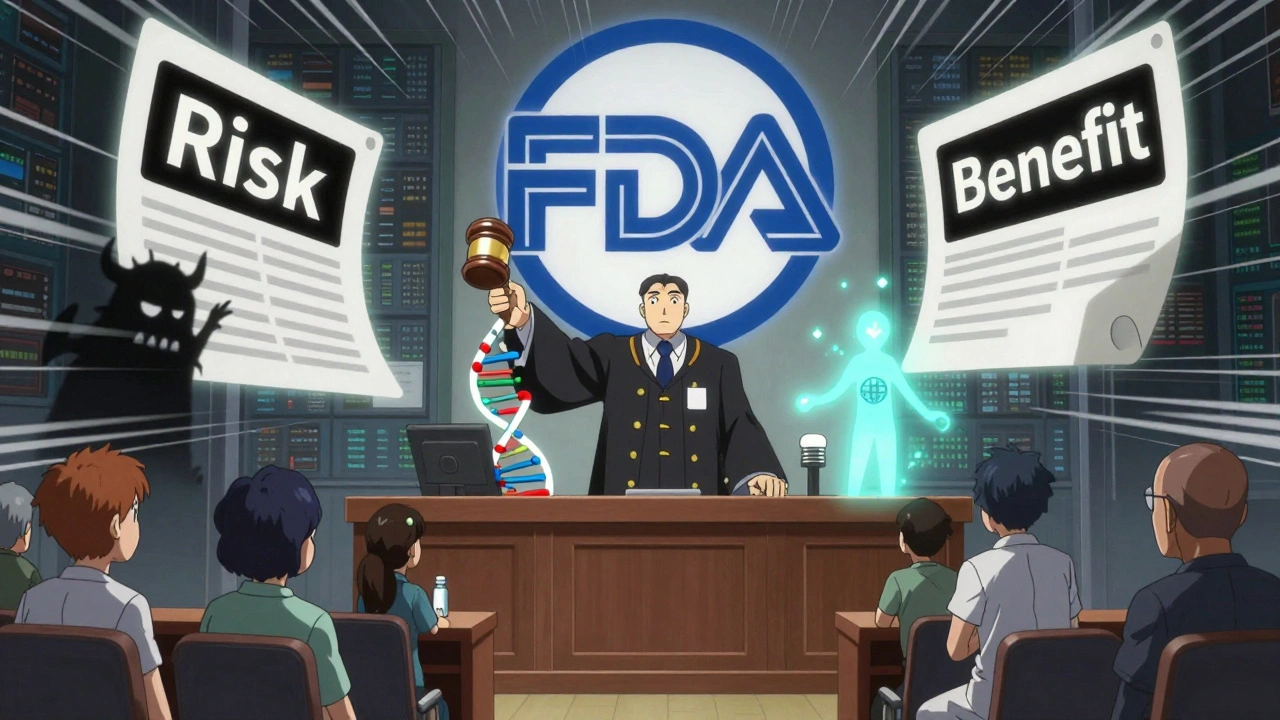
Are Black Box Warnings Always Accurate?
They’re based on the best evidence available - but science evolves. Sometimes, a warning stays in place even after new data shows the risk is lower than thought. Other times, it takes years for a serious risk to be recognized.For example, the black box warning for antidepressants and suicide risk in young people was added in 2004. Later studies showed the warning may have led to fewer prescriptions - and more untreated depression. Some experts argue the warning saved lives, others say it caused harm by keeping people from needed treatment.
That’s why the FDA is moving toward more personalized warnings. In its 2023-2027 plan, the agency says it wants to use genetic data to warn only the people at real risk. For example, instead of saying “this drug can cause severe skin reactions in everyone,” it might say: “People with the HLA-B*15:02 gene variant have a 100x higher risk.” That’s precision medicine in action.
For now, though, black box warnings are broad. They’re designed to protect the most vulnerable - even if it means warning everyone.
Where Can You Find These Warnings?
You don’t need to be a doctor to read them. The FDA’s Drugs@FDA database lists every approved drug and its current labeling - including black box warnings. You can search by drug name or active ingredient.Pharmacies also include the warning in the printed patient information sheets. If you didn’t get one, ask for it. And don’t rely on drug websites or apps alone - they sometimes leave out the full warning.
Independent resources like Consumer Reports’ Best Buy Drugs and the Drug Effectiveness Review Project can help you compare risks and benefits across similar medications. Sometimes, a different drug in the same class has the same effect - but no black box warning.
Final Thoughts: It’s About Informed Choice
A black box warning doesn’t mean a drug is bad. It means the risk is real - and you deserve to know it. Many life-saving drugs carry these warnings. Chemotherapy drugs. Immunosuppressants after organ transplants. Anti-seizure medications for epilepsy.The goal isn’t to scare you. It’s to empower you. If you’re on one of these drugs, you’re part of a careful conversation between you and your doctor. You’re not just taking a pill. You’re making a decision - with full knowledge of the stakes.
That’s what the FDA’s black box is really for: not to block access, but to make sure you’re walking in with your eyes open.
Does a black box warning mean I can’t take the drug?
No. A black box warning doesn’t mean the drug is banned or unsafe for everyone. It means the risks are serious enough that your doctor must carefully weigh them against the benefits for your specific situation. Many people safely take medications with black box warnings because they have no other effective options.
How long does a black box warning stay on a drug?
It stays until the FDA determines the risk has changed based on new evidence. That could take years. Sometimes, new studies show the risk is lower than thought - and the warning is updated. Other times, the warning remains because the danger still exists. Removing a warning requires strong, repeated data showing improved safety.
Can over-the-counter drugs have black box warnings?
Technically, yes - but it’s extremely rare. Black box warnings are mostly for prescription drugs because they’re used under medical supervision. However, the FDA has issued boxed warnings for a few high-risk OTC products, like high-dose acetaminophen, which can cause liver failure if misused.
Do all doctors know about black box warnings?
Most do - especially those who regularly prescribe medications. The warnings are included in official drug labeling, medical databases, and continuing education materials. But not every provider reviews them in depth before prescribing. That’s why it’s important to ask questions yourself. Don’t assume your doctor already discussed the risks.
If I have a family history of a side effect, should I avoid the drug?
Possibly. Some black box warnings relate to genetic risks - like severe reactions to certain drugs in people with specific gene variants. If you have a family history of liver damage, heart problems, or severe skin reactions linked to a drug, tell your doctor. They may order genetic testing or choose a safer alternative.
Can I report a side effect if I’m not the patient?
Yes. The FDA’s MedWatch system accepts reports from family members, caregivers, or even friends who notice a serious reaction. You don’t need to be the person taking the drug to report it. Your report could help prevent harm to others.
If you’re unsure about a drug you’re taking, don’t guess. Get the facts. Ask your pharmacist for the full prescribing information. Look up the drug on the FDA’s website. Talk to your doctor - not just about whether to take it, but why it’s the right choice for you.




Colin Mitchell
December 2, 2025 AT 22:04Just wanted to say thanks for laying this out so clearly. I’ve been on a med with a black box warning for years and honestly didn’t know how to even start asking questions. This made me feel less alone.
Stacy Natanielle
December 2, 2025 AT 23:06While I appreciate the effort, the FDA's black box system is fundamentally reactive, not proactive. The data lag is staggering-often 5–7 years between clinical harm and regulatory action. Moreover, the lack of standardized risk stratification renders these warnings statistically meaningless for individual patients. 📊⚠️
kelly mckeown
December 3, 2025 AT 23:11i read this and just cried a little. my mom took one of these drugs and we had no idea what the warning meant until she ended up in the er. please, if you’re on one of these, talk to someone. even if it’s just a pharmacist. you’re not alone. 🫂
Tom Costello
December 5, 2025 AT 20:40This is one of the clearest explanations of black box warnings I’ve ever seen. The distinction between ‘rare risk’ and ‘life-threatening risk’ is crucial, and the point about REMS programs being actual safeguards-not just paperwork-is spot on. Thanks for the thorough breakdown.
dylan dowsett
December 6, 2025 AT 22:13Why do people just take these drugs?? You’re literally playing Russian roulette with your liver, your heart, your brain-do you even know what you’re putting into your body?? And don’t even get me started on how lazy doctors are about explaining this!!
Susan Haboustak
December 7, 2025 AT 05:45Empirical evidence suggests that black box warnings are ineffective as behavioral interventions. The 70% drop in rosiglitazone prescriptions post-warning correlates with media exposure, not patient comprehension. Regulatory theater. 📉
Chad Kennedy
December 7, 2025 AT 10:53So... these warnings are just there to scare people? Like, if I'm feeling fine, why should I care? I mean, my doctor says it's fine, so...?
Siddharth Notani
December 9, 2025 AT 06:57Excellent summary. In India, we often lack access to such detailed labeling. Patients assume 'prescribed = safe.' This should be translated and shared widely. 🙏
Cyndy Gregoria
December 9, 2025 AT 16:27You got this. Seriously. If you're on a black box drug, you're not broken-you're surviving. And you're brave for asking questions. Keep going. You're doing better than you think.
Wendy Chiridza
December 10, 2025 AT 01:14My pharmacist gave me the full label once and I cried. No one ever told me the risk of sudden liver failure was real. I wish I’d known sooner. Thank you for writing this.
Pamela Mae Ibabao
December 11, 2025 AT 16:39So what you’re saying is, if I take this drug, I might die? Cool. Thanks for the reassurance. 😅
Gerald Nauschnegg
December 12, 2025 AT 18:09Wait, so if I have a family history of heart problems and I take this, I could drop dead? But my doctor says it’s fine? So who do I trust? The FDA? My doctor? My gut? I’m confused now.
Palanivelu Sivanathan
December 13, 2025 AT 05:02Life is a paradox, my friends. The same drug that saves a soul may steal its breath. The FDA’s black box is not a warning-it is a mirror. It reflects our collective denial: we want cures, but fear the cost. And yet… we still reach for the pill. 🌌💊
Cristy Magdalena
December 14, 2025 AT 07:19I’ve been on clozapine for 12 years. My WBC counts are perfect. My seizures are gone. But every time I go to the pharmacy, the pharmacist looks at me like I’m a walking time bomb. I don’t need that pity. I need to be treated like a person who’s doing everything right.
Adrianna Alfano
December 14, 2025 AT 12:24my dad died from a reaction to a drug with a black box warning… and no one ever told him. the label was in tiny print, the doctor said it was "rare"… but it happened to him. i’m so angry. if you’re reading this-ask for the full prescribing info. don’t wait. please.