⚖ Elderberry & Immunosuppressant Risk Checker
1. Select Your Medication
Choose the primary immunosuppressant you are currently taking.
2. Interaction Assessment
Please select your medication details to view the risk profile.
Why does this matter?
Elderberry contains anthocyanins that may stimulate cytokine production (like IL-6 and TNF-alpha). For patients on immunosuppressants, this can theoretically counteract the medication's effect, leading to unpredictable blood levels, reduced efficacy, or disease flare-ups. The risk is highest with drugs requiring precise dosing (like transplant meds) and lowest with broad-spectrum steroids, though caution is always advised.
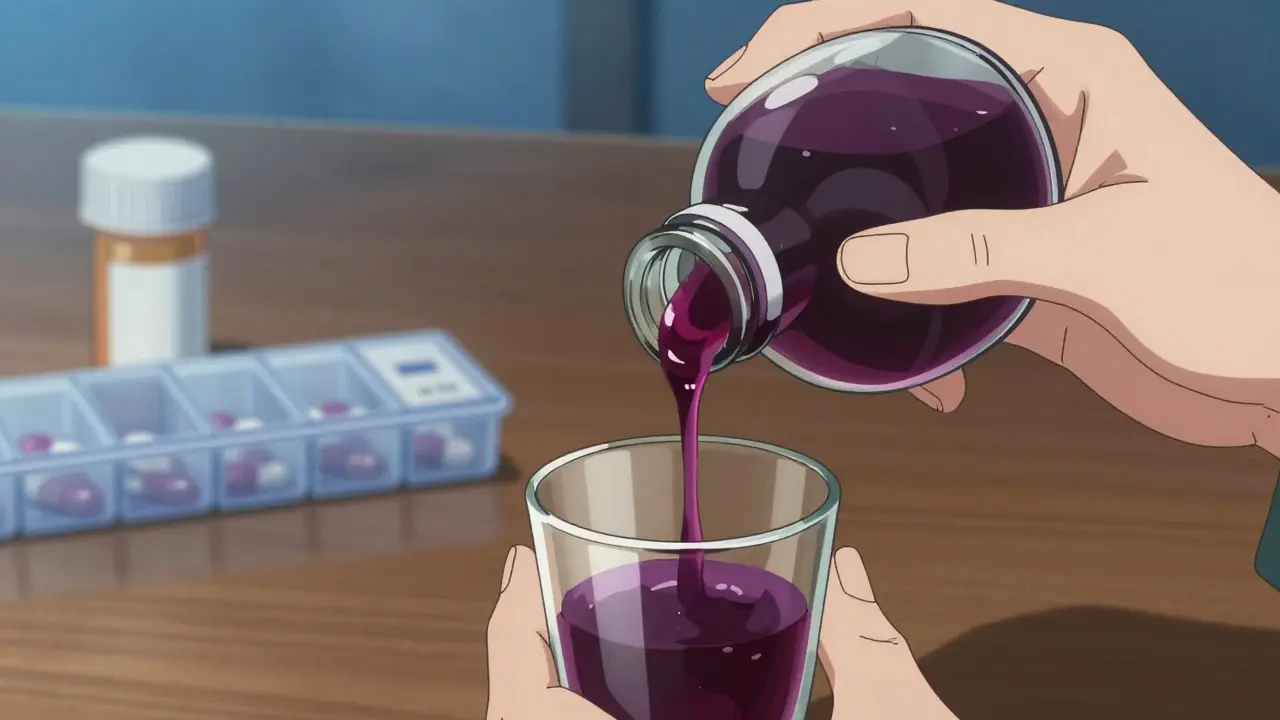
You might be reaching for that bottle of elderberry syrup to fight off a cold, but if you are taking medication to keep your immune system in check, that simple act could be working against you. Elderberry is a popular herbal supplement derived from Sambucus nigra berries, known for its high concentration of anthocyanins and potential immune-boosting properties. While it helps many people shorten the duration of flu symptoms, it poses a specific risk for those on immunosuppressants, which are medications designed to reduce immune system activity to prevent organ rejection or manage autoimmune diseases. The core conflict here is straightforward: one product tries to wake up your immune system, while the other tries to put it to sleep.
This isn't just a theoretical worry. For millions of people managing conditions like rheumatoid arthritis, lupus, or recovering from an organ transplant, adding an immune stimulant to their routine can complicate treatment significantly. Understanding this dynamic is crucial because the line between helpful and harmful often depends on the specific type of medication you are taking and how active your condition is.
The Core Conflict: Why They Don't Mix Well
To understand the risk, we need to look at what these substances actually do inside your body. Elderberry works by influencing cytokines, which are small proteins that help cells talk to each other during an infection. Specifically, studies have shown that elderberry can increase the production of interleukin-6 and tumor necrosis factor-alpha. In a healthy person fighting a virus, this boost is useful. It helps your body recognize and attack the pathogen faster.
However, if you are taking an immunosuppressant, your goal is the opposite. You want to dampen that response. Whether you are trying to stop your body from attacking your own joints or preventing your body from rejecting a new kidney, you need a calm immune system. When elderberry nudges your cytokine levels up, it can directly counteract the work of drugs like tacrolimus or cyclosporine. This doesn't always mean the drug stops working entirely, but it can make your blood levels unpredictable, leading to either reduced protection or increased side effects.
Which Medications Are Most Affected?
Not all immunosuppressants react the same way to elderberry. Some classes of drugs are more sensitive to changes in immune signaling than others. Healthcare providers generally flag a few key categories where caution is most necessary.
- Calcineurin Inhibitors: Drugs like tacrolimus (Prograf) and cyclosporine (Neoral) are commonly used after transplants. These require very precise blood levels to be effective. Even a slight shift caused by an herbal supplement can lead to toxicity or rejection.
- Antimetabolites: Medications such as azathioprine (Imuran) and mycophenolate (CellCept) slow down the growth of immune cells. Adding an activator like elderberry creates a biological tug-of-war that can make disease control difficult.
- Corticosteroids: Prednisone and similar steroids reduce inflammation broadly. While the interaction here might be less dramatic than with transplant drugs, it can still contribute to overall instability in autoimmune management.
- Biologics: Newer drugs like infliximab (Remicade) target specific parts of the immune pathway. Patients have reported flare-ups when combining these with elderberry, suggesting that even targeted therapies can be disrupted by broad immune stimulation.

What the Research Actually Says
The scientific community hasn't reached a unanimous verdict yet, which makes things tricky for patients. On one hand, a significant 2016 study published in Nutrients involving air travelers found that elderberry reduced cold duration by three to four days. However, the authors explicitly noted that caution is advised for those on immunosuppressants because the supplement may reduce the effectiveness of these drugs.
On the other hand, some recent reviews argue that the evidence of "overstimulation" is limited. A 2021 systematic review suggested there is no strong proof that elderberry dangerously overactivates the immune system in clinical settings. But here is the catch: most of these studies were conducted on healthy people catching colds, not on complex patients with chronic autoimmune issues or fresh transplants. So, while it might be safe for the average person, the data for vulnerable groups remains thin. This gap means doctors tend to play it safe, favoring avoidance until more specific trials are completed.
Real-World Experiences and Patient Stories
Numbers in journals don't tell the whole story. Online patient forums offer a window into how this interaction plays out in daily life. One kidney transplant recipient shared on a medical forum that their immunologist told them to stop elderberry immediately after noticing their tacrolimus levels had dropped by 25% during a routine checkup. That drop was enough to raise concerns about potential rejection risks.
Another user in a liver transplant community mentioned a rejection episode that coincided with starting elderberry syrup for cold prevention. While correlation isn't causation, these anecdotes align with the theoretical risks outlined in pharmacology. Conversely, some patients report no issues. A lupus patient noted taking elderberry for three winters while on CellCept without noticeable problems. But without regular blood monitoring, it's hard to know if their disease was truly stable or if they were just lucky. The prevailing sentiment in patient communities leans toward listening to the doctor, with most advice pointing toward skipping the supplement entirely if you are on prescription immunosuppression.

Practical Steps for Managing Your Risk
If you are currently taking an immunosuppressant, you don't necessarily have to give up all forms of immune support forever, but you do need a strategy. Here is how to approach it safely.
- Talk to Your Provider First: Never assume a supplement is safe just because it's sold in stores. Ask your rheumatologist or transplant specialist specifically about elderberry. Bring the bottle with you so they can see the exact dosage and extract type.
- Consider Alternatives: If you just want general wellness support, vitamin D is often a safer bet. Unlike elderberry, vitamin D does not primarily work by stimulating acute cytokine responses. Many specialists prefer recommending vitamin D maintenance for autoimmune patients rather than herbal stimulants.
- Watch for Timing: If your doctor does approve short-term use, they may suggest a washout period. This means stopping the supplement 48 hours before and after any scheduled dose of your immunosuppressant to minimize direct competition in your system. Note that this protocol is based on expert opinion rather than rigorous trial data, so follow your doctor's specific instructions.
- Monitor Your Symptoms: Pay close attention to any signs of disease flare-up or unusual side effects from your medication. If you start feeling tired, achy, or notice changes in your usual baseline, report it to your care team immediately.
Market Context and Regulatory Gaps
It’s worth noting why this issue is becoming more common. The global elderberry market has grown rapidly, reaching over $1.27 billion in 2022. With so many products available, consumers often view them as harmless food-like items rather than potent botanicals. The FDA classifies elderberry as "Generally Recognized As Safe" (GRAS), which sounds reassuring but doesn't account for drug interactions. This regulatory status means manufacturers aren't required to list every possible medication conflict on the label, leaving the burden of checking compatibility on the consumer.
In contrast, the European Medicines Agency issued a specific safety communication in 2021 warning about these interactions. This divergence highlights a gap in consumer protection in the US. Until regulations catch up, informed self-management is your best defense. As research continues, including ongoing Phase II trials looking specifically at tacrolimus levels, we may get clearer guidelines. For now, treating elderberry as a potential interactant rather than a harmless treat is the safest course of action.
Is elderberry dangerous for everyone on immunosuppressants?
Not necessarily dangerous in a life-threatening sense for every single person, but it carries a moderate risk of reducing medication effectiveness. The risk varies depending on the specific drug, the dosage of the elderberry, and the severity of your condition. Transplant patients face higher stakes due to the risk of organ rejection, while those with mild autoimmune issues might tolerate it better, though monitoring is still essential.
Can I take elderberry if I am only on prednisone?
Prednisone is a corticosteroid, and while the interaction may be less severe than with calcineurin inhibitors, it is still advised to consult your doctor. Steroids suppress inflammation broadly, and adding an immune activator can create conflicting signals in your body. Your provider can determine if the benefit outweighs the risk for your specific case.
What is a safer alternative to elderberry for immune support?
Vitamin D is frequently recommended as a safer alternative for patients on immunosuppressants. It supports general health and bone density without the same mechanism of acute cytokine stimulation seen in elderberry. Always check with your healthcare provider before starting any new supplement, even vitamins, to ensure correct dosing.
Does elderberry juice count the same as elderberry supplements?
Yes, both contain the active compounds, though concentrations vary. Standardized extracts in pills or syrups often have higher concentrations of anthocyanins than plain juice. Because the effect is dose-dependent, even lower-dose products can have an impact if taken regularly. Treat all forms of elderberry as having the same potential for interaction.
How long should I wait before taking elderberry after stopping my immunosuppressant?
There is no universal rule, but a common clinical suggestion is a 48-hour washout period. However, some medications stay in your system longer. If you are tapering off a medication, ask your doctor when it is safe to reintroduce immune-supporting herbs. This ensures the drug has cleared your system sufficiently to avoid direct competition.