
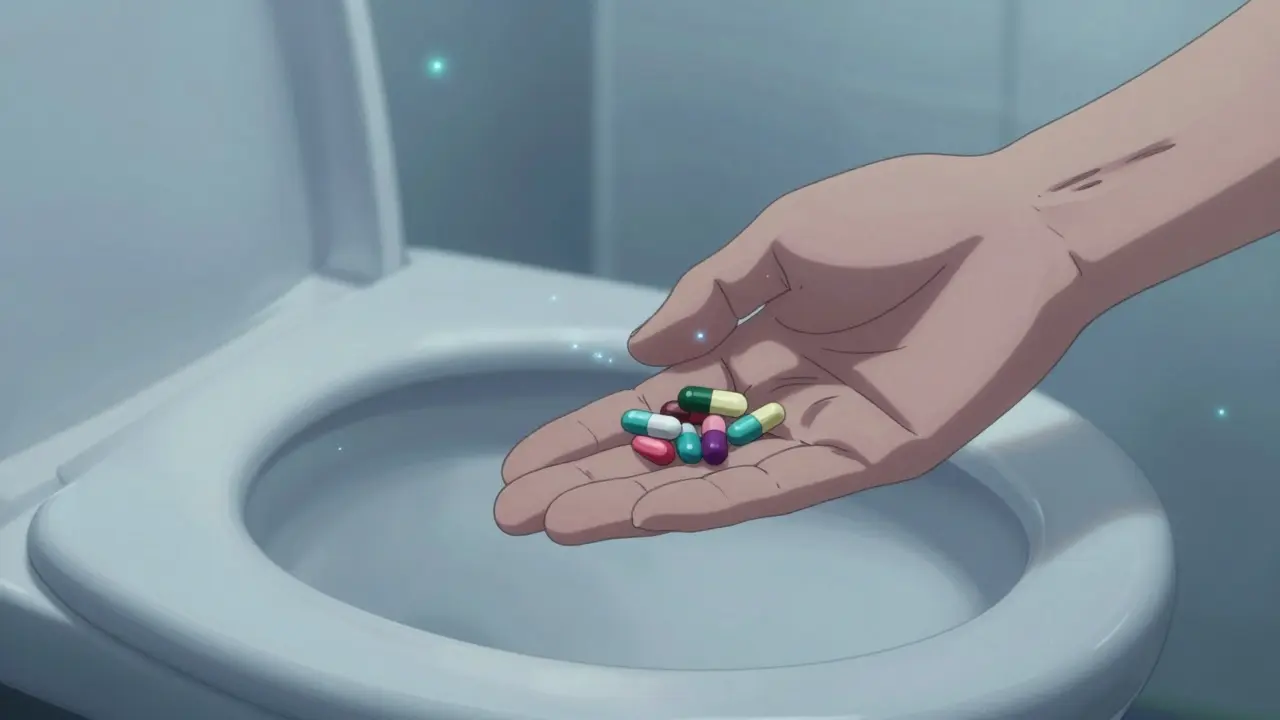
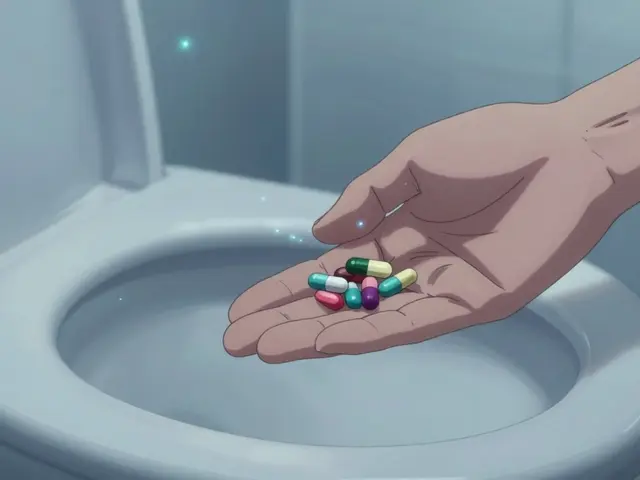
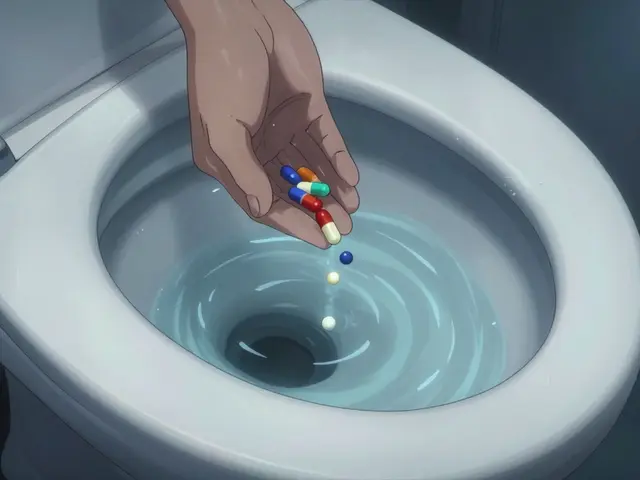
You might have done it once or twice-found a few expired pills at the back of the cabinet and thought, "The toilet is the easiest way to get rid of these." It seems logical; after all, that's where most waste goes. But here is the problem: our plumbing and water treatment systems weren't built to handle chemistry. When you flush a pill, you aren't just getting rid of a drug; you are introducing active chemicals into a cycle that eventually leads back to our taps and the wild ecosystems around us.
The reality is that flushing medications creates a ripple effect of pollution that affects everything from the gender of fish in our streams to the effectiveness of the antibiotics we rely on. While some experts argue that the drugs we naturally excrete through our bodies are a bigger problem than what we flush, adding more chemicals to the mix only makes a bad situation worse. The good news is that there are far better ways to clear out your medicine cabinet without harming the planet.
What Actually Happens When Meds Hit the Water?
Most of us assume that once something goes down the drain, it's "gone." In reality, it just moves to a Wastewater Treatment Plant. These facilities are designed to filter out solids, bacteria, and nutrients like nitrogen. They are not designed to strip out complex chemical compounds like antidepressants, beta-blockers, or painkillers.
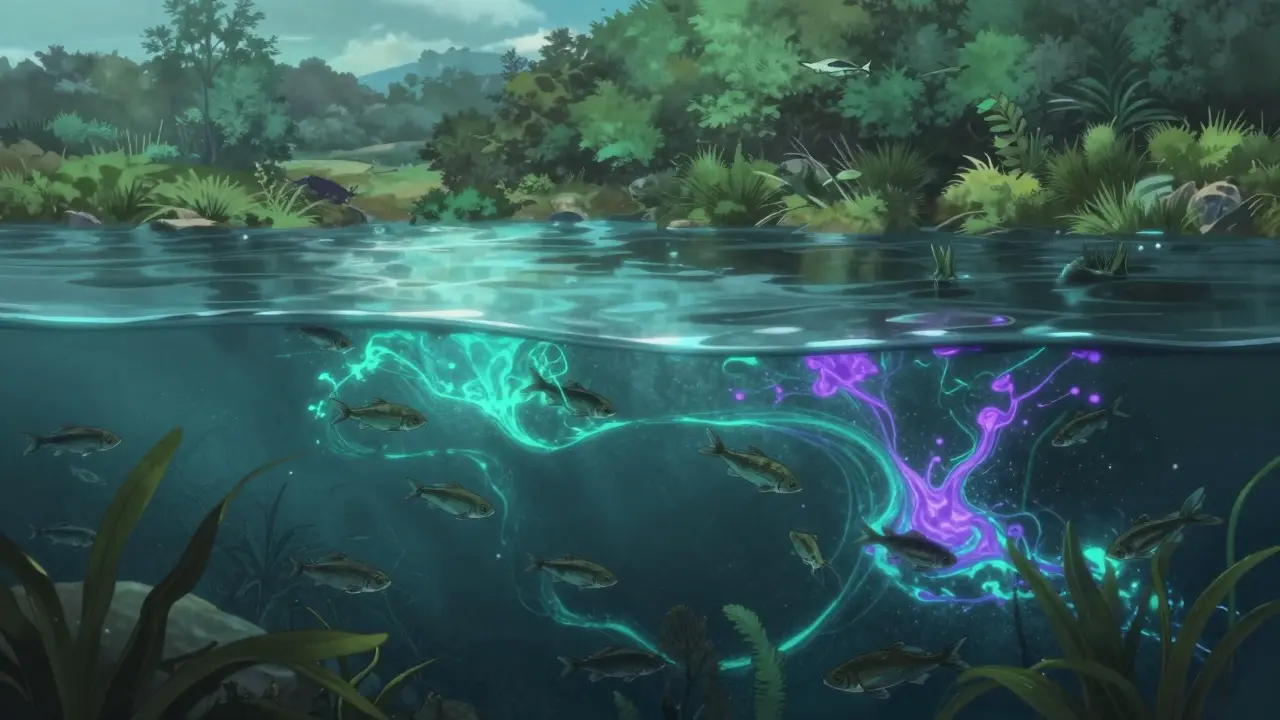
Because these plants can't fully remove pharmaceuticals, the drugs flow right through the system and into rivers and oceans. Once there, they don't always disappear. Some break down into "daughter compounds" that can actually be more toxic than the original pill. Others remain intact, leading to a process called biomagnification. Imagine an aquatic plant absorbing a trace amount of a steroid; a small fish eats the plant, and a larger fish eats that small fish. By the time it reaches the top of the food chain-possibly onto a human dinner plate-the concentration of the drug has increased significantly.
The ecological damage is concrete. Researchers have documented sexual abnormalities in fish populations exposed to estrogens and endocrine disruption in aquatic animals due to steroids. Essentially, we are accidentally changing the biology of wildlife by treating our sewers like trash cans.
The Danger of Landfill Leaching
If you aren't flushing, you might be tossing your old meds in the kitchen trash. While this keeps the chemicals out of the immediate water stream, it creates a different problem: Landfill Leachate. This is the "garbage juice" that seeps through landfills and sinks into the soil.
Data from environmental agencies shows that leachate can contain shockingly high levels of pharmaceuticals. For example, some samples have detected acetaminophen at levels as high as 117,000 ng/L. When this leachate hits the groundwater, it contaminates the very sources we use for drinking water and agriculture. While it is slightly less immediate than flushing, it still results in the same outcome: chemical pollution in our natural water cycles.
| Method | Primary Pathway | Environmental Impact | Risk Level |
|---|---|---|---|
| Flushing | Sewer / Surface Water | Immediate aquatic toxicity, fish mutations | High |
| Trash Bin | Landfill / Groundwater | Soil contamination, groundwater leaching | Medium |
| Take-Back Program | Controlled Incineration | Minimal to none (prevented entry) | Low |
The "Flush List": The One Exception
You might feel confused because the FDA (U.S. Food and Drug Administration) actually has a specific list of medications that they do recommend flushing. This seems to contradict everything we just discussed. Why the exception?
The "flush list" is a compromise based on human safety versus environmental risk. It includes high-potency opioids like fentanyl and oxycodone. The FDA has determined that the immediate risk of a child or pet finding these drugs in a home trash can-leading to a fatal overdose-is a greater tragedy than the ecological risk of flushing them. For these specific, high-risk drugs, the danger of diversion and misuse outweighs the environmental cost.
However, for 99% of your medications-including your daily vitamins, blood pressure meds, and common NSAIDs-the flush list does not apply. If it isn't on that specific list, keep it out of the toilet.
Safe Alternatives for Your Old Meds
So, how do you actually get rid of things safely? Depending on where you live, you have a few options, ranging from the gold standard to "better than nothing."
1. Medication Take-Back Programs
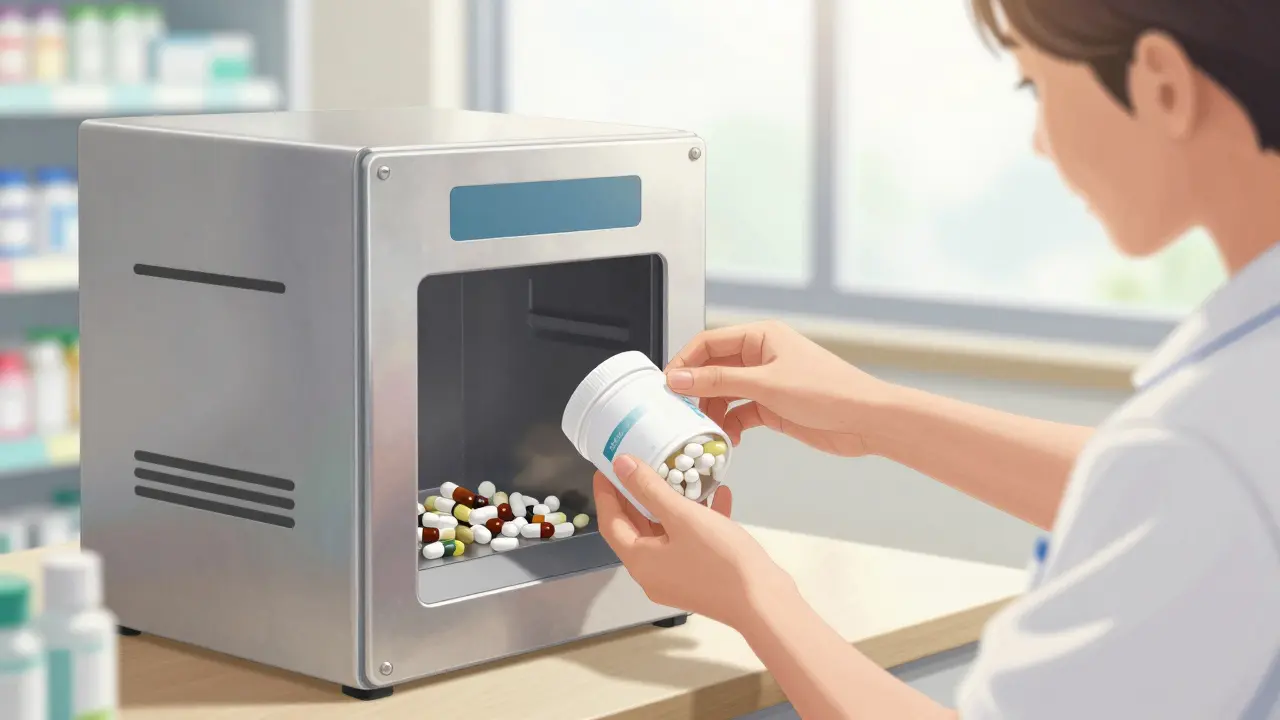
This is the absolute best way to handle waste. Medication Take-Back Programs involve dropping off your unused drugs at authorized sites like pharmacies, hospitals, or police stations. These facilities use professional incineration, which destroys the chemical bonds of the drug, ensuring it never reaches the water or soil.
2. The Home Disposal Method
If you can't get to a take-back site, the EPA suggests a method to make the meds less attractive to scavengers or children:
- Mix the pills (do not crush them) with something unappealing, like used coffee grounds, kitty litter, or dirt.
- Place the mixture in a sealed plastic bag or container.
- Throw the sealed container in your household trash.
- Scratch out your personal information on the prescription bottle before recycling it.
3. Chemical Degraders
There are now commercial products available, such as Drug Buster, which use a chemical process to neutralize the drug in a pouch before you throw it away. These are highly effective but can be expensive and require you to follow a specific protocol to work correctly.
Why This Matters for Your Health
You might be thinking, "I'm not a fish, so why should I care?" The answer lies in Antibiotic Resistance. When antibiotics enter the water system, they don't kill all the bacteria; they expose them to low doses of the drug. This creates a "training ground" where bacteria learn how to survive the medication. These resistant superbugs can eventually find their way back to humans, making common infections much harder to treat.
Furthermore, the cost of fixing this is astronomical. Retrofitting a municipal water system with advanced ozone treatment or activated carbon filtration-technologies that can actually remove these chemicals-can cost between $500,000 and $2 million. It is far cheaper and more efficient to stop the pollution at the source: your bathroom.
Can I just throw my pills in the trash?
While better than flushing, throwing meds in the trash can lead to landfill leaching, where drugs seep into groundwater. If you must use the trash, mix the meds with coffee grounds or kitty litter in a sealed bag to prevent misuse and animal ingestion.
What is the FDA flush list?
The flush list is a small group of high-risk medications (mainly potent opioids) that the FDA recommends flushing because the danger of accidental overdose if found in the trash is higher than the environmental risk.
Do pharmacies always take back old meds?
Not all of them, but many do. It is best to call your local pharmacy or check their website to see if they have a permanent collection kiosk. Many hospitals and some law enforcement agencies also host take-back events.
Are liquid medications handled differently?
Liquid medications should never be poured down the sink or toilet. They should be taken to a professional take-back site. If that's impossible, you can mix them with an absorbent material like kitty litter until they become a paste, then seal them in a bag for the trash.
Does my septic system filter out these drugs?
Septic systems are generally not designed to remove pharmaceutical compounds. In some cases, they may actually pose a greater threat to local groundwater than municipal systems because they lack the centralized treatment processes found in city plants.
Next Steps for a Cleaner Home
Start by doing a quick audit of your medicine cabinet. Be honest: how many of those bottles expired three years ago? Once you have your pile, check for a local take-back kiosk. In many areas, these are available 24/7 in the pharmacy lobby.
If you are a caregiver or manage medications for a family member, create a simple system-a designated "disposal bin"-where old meds go as soon as they are discontinued. This prevents the "stockpiling" habit that leads to a massive, overwhelming cleanup every few years. By changing one small habit, you're protecting the water we all drink and the wildlife that shares our world.

Michael Chukwuma
April 23, 2026 AT 16:21Makes total sense. I never really thought about the fish, but it's definitely better to just take them back to the pharmacy.
Eric Mwiti
April 24, 2026 AT 19:03Oh sure, because adding kitty litter to a plastic bag and tossing it in a hole in the ground is just the peak of environmental engineering. Truly a masterstroke.
Andre Ojakäär
April 26, 2026 AT 11:35listen guys its actually common knowledge that incineration is the only way to break these bonds because of the molecular structure of the compounds basically everything else is a joke lol
Elle Torres Sanz
April 27, 2026 AT 23:55It's so important to be mindful of our local ecosystems. I've started a little box in my kitchen for the family to put old meds in so we can do one big trip to the drop-off center every few months. It's a small change but it helps everyone.
Majestic Blue Band
April 29, 2026 AT 21:22I find it absolutely suspicious that we are being told to use these government-approved 'take-back' kiosks, because if you actually think about it, it's the perfect way for them to collect data on exactly what medications the population is using in real-time, and why on earth would we trust the FDA's 'flush list' when it's clearly just a way to make us feel like they've considered the environment while they simultaneously push opioids into the bloodstream of the masses, and honestly, the whole narrative about fish gender is probably just a distraction from the fact that the water table is being manipulated by corporate entities for reasons we aren't allowed to discuss without being labeled as crazy.
Edwin Perez
April 30, 2026 AT 08:31Typical government propaganda. They want us hauling our meds to a 'center' so they can track the chemicals. Just throw them in the woods and let nature deal with it.
Kristen O'Neal
May 1, 2026 AT 05:28Actually, throwing them in the woods is way worse since there's no containment at all. We need to push for more 24/7 kiosks in every single pharmacy so there's no excuse for people to just flush things.
Hayley Redemption
May 2, 2026 AT 00:15The sheer naivety of some of these responses is staggering. It's basic chemistry; the 'home disposal' method is a joke for anyone with a functioning brain, and the fact that we're still debating this in the 21st century is a testament to the failure of the public education system in this country.
Gauri Parab
May 2, 2026 AT 07:05Imagine thinking a 'sealed plastic bag' is a viable solution to groundwater contamination. It's honestly laughable. Only a truly mediocre mind would suggest coffee grounds as a scientific barrier to leaching. Absolute garbage advice.
Anand Mehra
May 3, 2026 AT 00:21nature is just a chemical reaction anyway who cares about a few fish
suresh kumar
May 4, 2026 AT 12:38Listen my friend, you are talking like a robot! Just toss the pills in a bucket of salt and let them rot in the sun, that's how we do it in the real world, not this fancy pharmacy nonsense!
Beena Garud
May 6, 2026 AT 07:36The intersection of human convenience and ecological preservation is a profound moral dilemma. We must contemplate the long-term consequences of our transient chemical dependencies on the permanence of the earth's water cycles.
Karyn Tindall
May 6, 2026 AT 13:18I am absolutely horrified that people are actually doing this! Imagine the absolute carnage in the rivers! It is a complete nightmare for the planet and we are just casually flushing our problems away like it's nothing! Truly devastating!
Jon Moss
May 8, 2026 AT 11:55I've just been using the pharmacy bins for years. Seems like the easiest way to avoid the hassle.