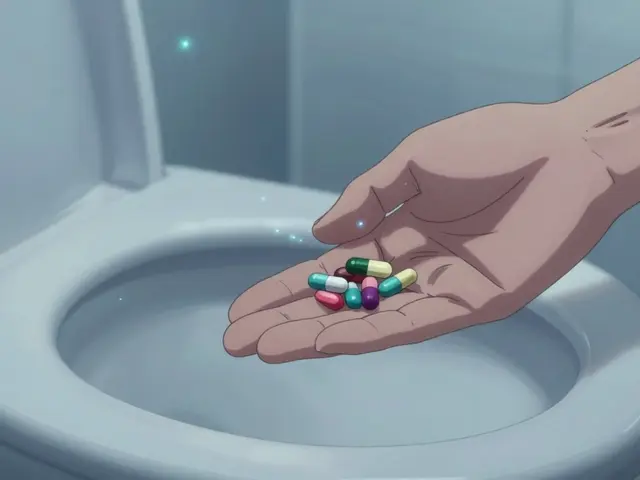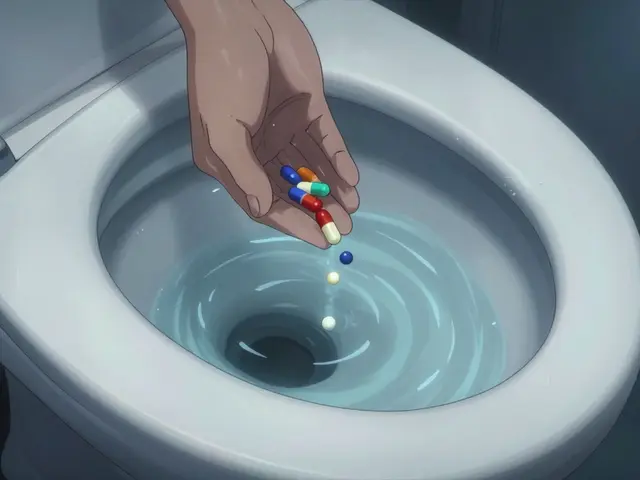
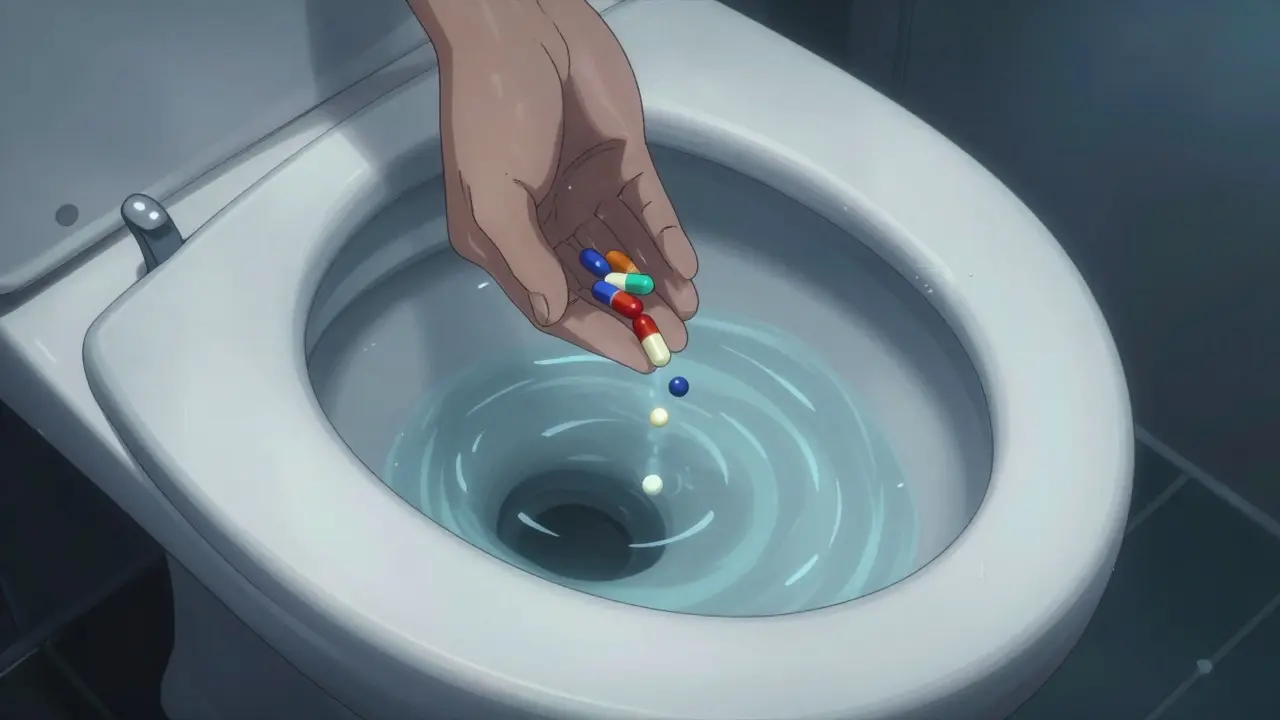
You might think that flushing a few old pills down the toilet is a quick way to clean out your medicine cabinet. After all, where else would they go? But here is the unsettling truth: your toilet is not a magic portal that makes chemicals vanish. Instead, it is a direct pipeline to our rivers, lakes, and eventually, our drinking water. When you flush a pill, you aren't just getting rid of waste; you are introducing active chemicals into an ecosystem that isn't designed to handle them.
The core of the problem is that flushing medications is the act of disposing of pharmaceutical drugs via household plumbing, which leads to the contamination of aquatic environments. While it seems convenient, the long-term cost is paid by the environment and, potentially, our own health. Let's look at why this happens and how you can actually get rid of your old meds without harming the planet.
What Happens After the Flush?
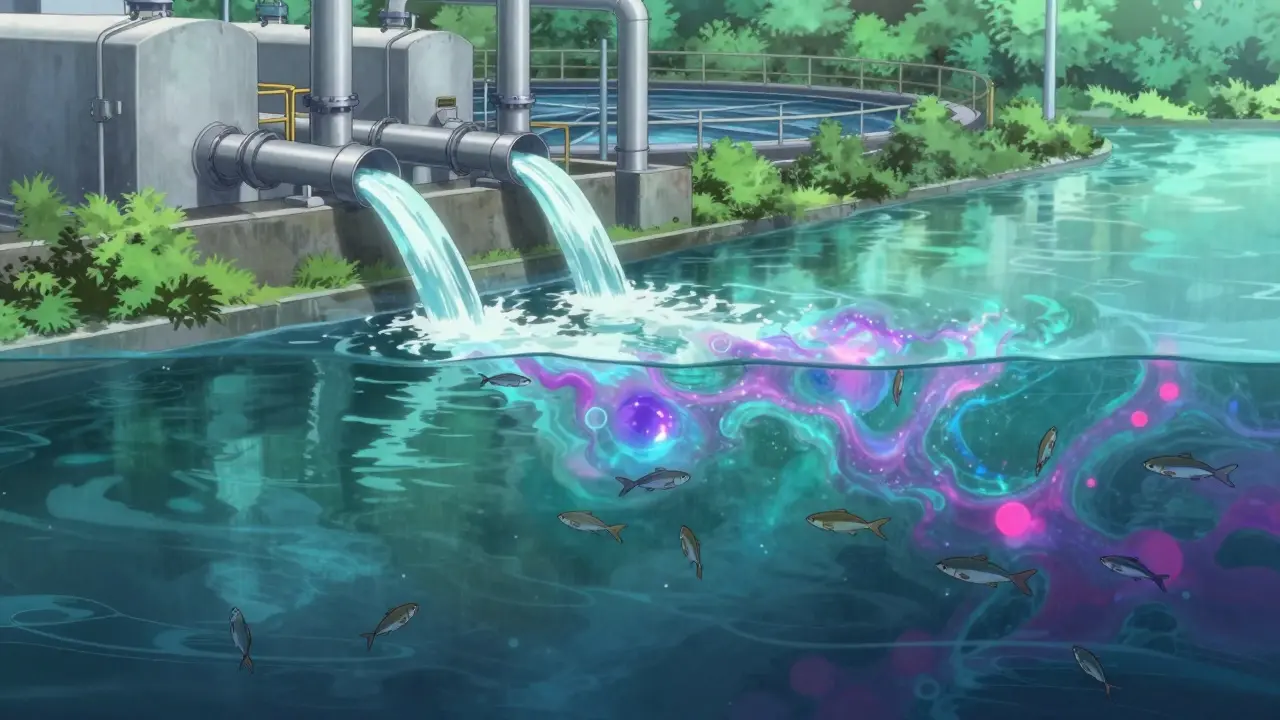
Most people assume that wastewater treatment plants (WWTPs) act like giant filters that scrub everything clean. In reality, these plants were designed to remove solids, bacteria, and nutrients-not complex chemical compounds. Wastewater Treatment Plants are fundamentally unequipped to strip out dissolved drugs. This means a huge percentage of the medication you flush passes right through the system and enters the wild.
Once these chemicals hit the water, they don't just sit there. They interact with wildlife in disturbing ways. For example, exposure to estrogen and steroids has been linked to sexual abnormalities and endocrine disruption in fish. There is also the looming threat of antibiotic resistance; when antibiotics linger in the water, bacteria learn how to survive them, making those same drugs less effective for humans in the future.
It isn't just the water, either. If you throw meds in the trash, they end up in a landfill. Over time, rain filters through the waste, creating a toxic soup called leachate. This leachate can seep into the soil and groundwater. In some cases, the concentrations are shocking. Research has found acetaminophen levels in landfill leachate as high as 117,000 ng/L, which is a far cry from the "trace amounts" we usually hear about.
The Dangerous Cycle of Biomagnification
Have you ever heard of biomagnification? It is a process where a toxin becomes more concentrated as it moves up the food chain. In the context of pharmaceutical pollution, it works like this: underwater plants absorb a drug from the contaminated water. A small fish eats those plants. A bigger fish eats ten of those smaller fish. By the time a human catches and eats that big fish, the concentration of the drug can be significantly higher than it was in the water.
This is particularly concerning with NSAIDs (Non-Steroidal Anti-Inflammatory Drugs), such as ibuprofen, naproxen, and diclofenac. Because these are some of the most common drugs in the world, they are also some of the most common pollutants found in surface water and soil globally.
| Method | Primary Risk | Environmental Outcome | Safety Rating |
|---|---|---|---|
| Flushing | Direct water contamination | Immediate entry into aquatic ecosystems | Low |
| Trash Bin | Landfill leaching | Groundwater and soil contamination | Medium-Low |
| Home Mixing (Cat Litter/Coffee) | Accidental ingestion/leaching | Reduced misuse risk, but still enters landfills | Medium |
| Take-Back Programs | None (if handled correctly) | Pharmaceuticals are incinerated or neutralized | High |
The "Flush List" Confusion
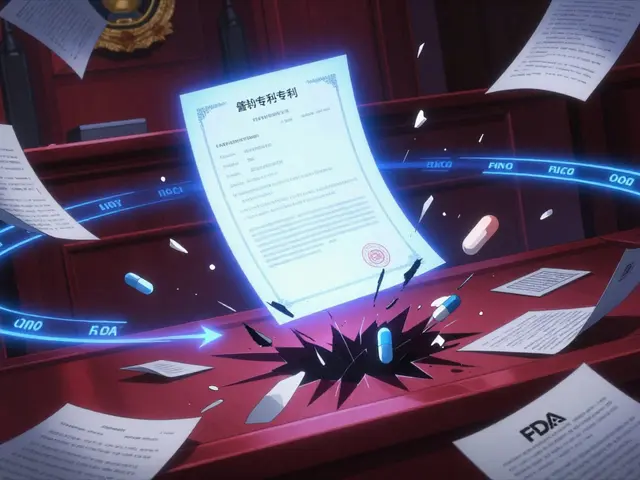
You might be thinking, "But I read somewhere that some meds should be flushed!" This is where things get confusing. The FDA maintains a specific "flush list." This list contains a small number of high-risk medications, such as fentanyl and oxycodone, that are so dangerous if accidentally taken by a child or stolen by someone else that the immediate risk of overdose outweighs the long-term environmental harm.
If a medication is on that list, the authorities generally agree that flushing is the safest bet to prevent human death. However, for 99% of the drugs in your cabinet-like your old blood pressure meds or leftover antibiotics-the rule is simple: do not flush. If you aren't sure if your drug is on the specific high-risk list, assume it belongs in a take-back program.
Better Alternatives for Your Old Meds
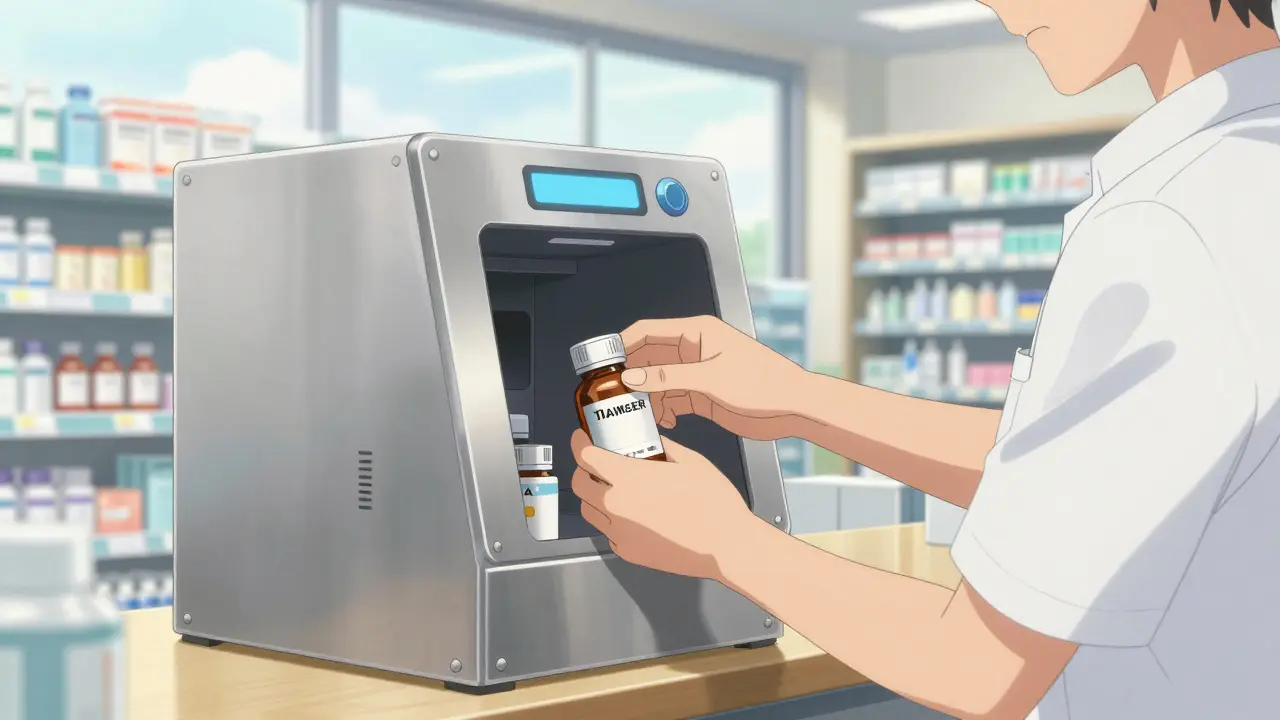
So, what should you actually do with those expired bottles? The absolute gold standard is a Drug Take-Back Program. These are organized collection events or permanent kiosks where pharmacists or law enforcement safely collect medications to be destroyed in high-temperature incinerators, which completely breaks down the chemical structures of the drugs.
If you can't find a take-back site, you can use the EPA-recommended home disposal method. Don't just toss the pills in the bin; that's an invitation for pets or kids to find them. Instead:
- Mix the pills (do not crush them) with something unappealing, like used coffee grounds or cat litter.
- Place the mixture in a sealable bag or container.
- Throw the sealed container in your household trash.
- Scratch out your personal information on the prescription bottle before recycling it.
While this doesn't totally eliminate the risk of landfill leaching, it significantly reduces the chance of the drugs being diverted for illegal use or accidental poisoning.
How to Prevent Waste Before It Starts
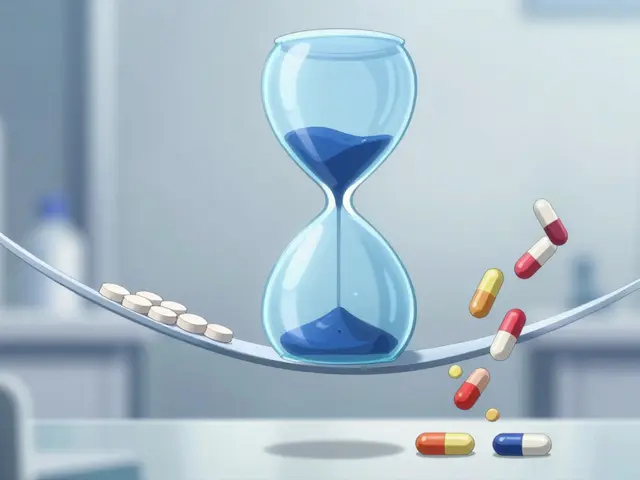
The best way to stop pharmaceutical pollution is to stop creating so much waste. We often stockpile medications because they were prescribed in quantities larger than we actually needed. This creates a "medicine cabinet graveyard" of expired drugs.
Next time you're at the pharmacy, ask your doctor or pharmacist if you can get a shorter supply or a "partial fill" if you're unsure about a new medication. Better prescribing practices can reduce the amount of unused drugs entering the environment by a massive margin. It is a simple shift in habit that has a huge ripple effect on the health of our waterways.
Does flushing pills affect my own drinking water?
Yes, potentially. Because wastewater treatment plants cannot remove all pharmaceutical compounds, trace amounts of drugs can end up in the water that is eventually treated for human consumption. While these levels are usually very low (often below 100 ng/L), the long-term health effects of consuming a "cocktail" of various trace pharmaceuticals are still being studied by environmental lawyers and health researchers.
Are septic tanks better or worse than city sewers for drug disposal?
It's a bit of a toss-up. Some studies suggest septic systems can be more dangerous because they leak directly into the surrounding soil and groundwater. However, other research indicates that the natural biological processes in a septic tank may actually remove certain organic contaminants as effectively as a municipal plant. Regardless, neither is designed to handle medication, so flushing remains a bad idea for both.
Why can't treatment plants just upgrade their filters?
They can, but it is incredibly expensive. Technologies like ozone treatment and activated carbon filtration can remove 85-95% of pharmaceuticals, but retrofitting a municipal system can cost between $500,000 and $2 million. Because of this cost, many cities simply cannot afford the upgrade, making it even more important for individuals to dispose of meds properly at the source.
Is it okay to throw liquid medications in the trash?
Liquids are even more prone to leaching into groundwater than solids. You should never pour liquid medicine down the drain. The best option is a take-back program. If that's impossible, seal the liquid tightly in a leak-proof container before placing it in the trash to minimize the risk of it seeping into the landfill.
How do I find a drug take-back location near me?
Many retail pharmacies, hospitals, and local police stations have permanent drop-off kiosks. You can check the website of your local government or the DEA's National Prescription Drug Take Back Day announcements to find the nearest authorized collection site.