

Imagine waking up and knowing you no longer need the daily pills or injections that have defined your routine for years. For a long time, the medical world treated Type 2 Diabetes is a chronic condition that affects how the body processes blood sugar (glucose) as a one-way street-once you had it, you simply managed the decline. But the conversation has shifted. We now know that for many, this condition isn't a life sentence of increasing medication, but something that can be put into remission.
The goal here isn't a "miracle cure," but a state where your body regains enough control over blood sugar that you don't need pharmacological help to keep levels safe. It's a challenging road that requires a complete overhaul of how you eat and move, but the reward is a massive boost in your quality of life and a lower risk of future complications.
What Actually Counts as Remission?
You'll often hear people say they've "reversed" their diabetes. In the medical community, we use the term Remission is a state where blood glucose levels remain below the diabetes threshold for at least three months without any glucose-lowering medication. This distinction is vital because "cure" implies the disease is gone forever, whereas remission means it's dormant.
According to the international consensus reached by groups like Diabetes UK and the American Diabetes Association (ADA), the gold standard for proving remission is your HbA1c. This is a blood test that shows your average blood sugar over the last three months. To be in remission, your HbA1c must be below 6.5% (or 48 mmol/mol) for at least three months while taking zero diabetes medications.
If an HbA1c test isn't reliable for some reason, doctors might look at a fasting plasma glucose level of less than 126 mg/dL (7.0 mmol/L) or data from Continuous Glucose Monitoring (CGM). The key is consistency; a single good reading isn't enough. You have to prove your body can maintain these levels on its own.
The Power of Weight Loss: The DiRECT Evidence
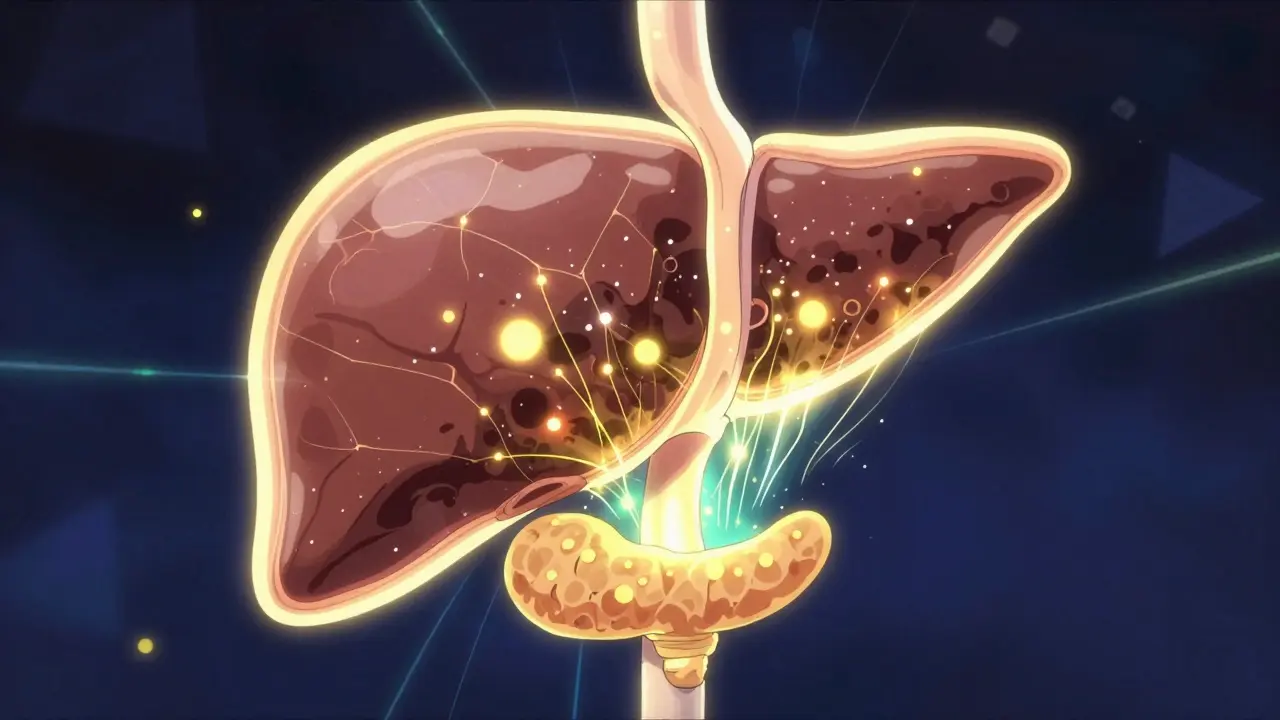
How do you actually get there? For most people, the answer lies in significant weight loss. This isn't about losing a few pounds to fit into old jeans; it's about reducing the fat stored around the liver and pancreas, which allows these organs to function properly again.
The DiRECT study (Diabetes Remission Clinical Trial) provided some of the most striking evidence here. The trial showed that nearly 46% of participants achieved remission at the one-year mark, provided they lost at least 10kg. Many of these participants used a total diet replacement-essentially a very strict, medically supervised liquid diet-to jumpstart the process.
Another path involves Metabolic Surgery, often called bariatric surgery. The ARMMS-T2D trial found that about 37.5% of participants achieved remission through this route. While surgery is a more invasive option, it demonstrates that fundamentally changing the body's metabolic environment can "reset" the system.
| Method | Key Requirement | Approx. Remission Rate | Primary Mechanism |
|---|---|---|---|
| Intensive Lifestyle (DiRECT) | ≥10kg weight loss | ~46% (at 1 year) | Liver/Pancreas fat reduction |
| Metabolic Surgery | Surgical intervention | ~37.5% | Hormonal & anatomical changes |
| Standard Management | Medication + moderate diet | Low | Symptom control (not remission) |
The Process of Medication De-escalation
You cannot simply stop your meds tomorrow morning. Doing so could lead to dangerous spikes in blood sugar or other complications. Medication de-escalation must be a choreographed dance between you and your doctor.
The process usually follows these steps:
- The Preparation Phase: You start a supervised weight loss program. As your blood sugar naturally drops due to diet, your current medications might actually start making your sugar too low (hypoglycemia).
- The Tapering Phase: Your doctor will begin reducing doses. For example, if you are on a high dose of Metformin, they may lower the dose as your HbA1c trends downward.
- The Transition Phase: Once you reach a threshold where your blood sugar is stable and low, the final medications are removed.
- The Monitoring Phase: This is where the three-month clock starts. You are now "medication-free," and your doctor will test your HbA1c to see if you meet the 6.5% threshold.
It's worth noting that some people may achieve "partial remission," where they still need some medication but their doses are significantly lower than they were at diagnosis.
Who Has the Best Chance?
Not everyone will respond to weight loss in the same way. Some people have a higher biological predisposition to remission than others. Based on current clinical guidelines, you have a much higher chance of hitting that 6.5% mark if:
- Your diagnosis is recent: People who have had Type 2 Diabetes for less than five years usually fare better. The longer you have the disease, the more likely it is that some of the insulin-producing cells in the pancreas have been permanently damaged.
- Your starting HbA1c wasn't extreme: If your baseline levels were moderately high rather than severely elevated, the path back to normal is shorter.
- You aren't on insulin: Those who can achieve control through diet and oral meds generally have a better shot at full remission than those whose bodies have already ceased producing enough insulin to require injections.

The Hard Truth: Remission is Not a Cure
Here is the part that often gets glossed over: remission is fragile. If you lose 15kg, hit your target HbA1c, and then slide back into old eating habits, the diabetes will return. The underlying genetic and metabolic susceptibility is still there.
The DiRECT study highlighted this when follow-up data showed the remission rate dropping from 46% to 36% by the second year. This happens because maintaining a significant weight loss for a decade is incredibly difficult. If the weight comes back, the fat returns to the liver and pancreas, and the blood sugar rises again.
Because of this, being in remission doesn't mean you can stop seeing your doctor. You still need yearly check-ups to monitor for complications and a lifelong commitment to a healthy diet and exercise regime. Think of it as a permanent state of maintenance rather than a finish line.
Practical Tips for Maintaining Remission
Staying in remission requires a shift in identity-you're no longer just "treating" a disease, you're managing a metabolic profile. Here are a few rules of thumb for the long haul:
- Focus on Protein and Fiber: To prevent the "yo-yo" effect, prioritize lean proteins and high-fiber vegetables. This keeps you full and prevents the insulin spikes that lead to fat storage.
- Prioritize Muscle Mass: Muscle is the primary place where your body burns glucose. Strength training twice a week helps your body handle sugar more efficiently, even when you're resting.
- Track Trends, Not Single Days: Don't panic over one high reading after a holiday meal. Look at the weekly average. If the trend is creeping up over a month, it's time to tighten the diet.
- Stay Vigilant with Screenings: Even in remission, you should still have your eyes and kidneys checked. Remission stops the progression, but it doesn't always instantly erase the damage done before remission was achieved.
Can I stop my diabetes medication as soon as I lose weight?
Absolutely not. Stopping medication without medical supervision can cause your blood sugar to spike dangerously or lead to other metabolic crises. Your doctor must manage the de-escalation process, reducing doses gradually as your blood sugar levels drop.
Is remission the same as a cure?
No. A cure means the disease is gone and cannot return. Remission means the symptoms are gone and the blood sugar is normal, but the underlying tendency toward diabetes remains. If you return to previous lifestyle habits, the diabetes will likely return.
How much weight do I actually need to lose?
While every body is different, the DiRECT study suggests that a weight loss of 10kg to 15kg (about 22-33 lbs) is often the threshold where a significant number of people enter remission. The exact number depends on your starting weight and how long you've had the condition.
What happens if my HbA1c goes back above 6.5%?
This is called a relapse. If your levels rise, you are no longer in remission. In this case, you and your doctor will evaluate whether you need to restart medication or if a further adjustment in diet and activity can bring the levels back down.
Do I still need a glucose monitor if I'm in remission?
While you may not need to prick your finger daily, periodic monitoring is highly recommended. It provides an early warning system, letting you know if your blood sugar is creeping up before it becomes a larger problem.






kelvin villa saab
May 2, 2026 AT 01:22Tipticallyy we all know this!! Most docters just want to keep us on the meds forever coz its a cash cow for pharma. Absolutly ridiculuous how long it took for this to become mainstream knowledge!!!
Spencer Farrell
May 3, 2026 AT 02:50One must contemplate the inherent dichotomy between the medical definition of remission and the layman's perception of a cure. It is a poignant reminder that the human condition is often a struggle between biological predestination and the willpower to override one's own genetic predisposition through disciplined asceticism.
Kartik Agarwal
May 3, 2026 AT 03:59The DiRECT trial really emphasizes the role of hepatic steatosis and pancreatic fat in the pathogenesis of T2D. By inducing a caloric deficit, we're essentially optimizing the metabolic flexibility and reducing the ectopic lipid accumulation that disrupts beta-cell function. It is an inclusive approach to metabolic health that benefits a wide demographic if the glycemic load is managed properly.
Kelly Feehely
May 3, 2026 AT 09:47Liquid diets are just a way for the government to get us addicted to synthetic meal replacements! They don't want you eating real food that actually works; they want you dependent on a system. This whole 'remission' thing is just a carrot on a stick to make you trust the same doctors who pushed the pills in the first place!
princess lovearies
May 4, 2026 AT 00:19It's just so encouraging to see a path toward feeling better. Remember that progress isn't linear, and it's okay to have a bad day as long as you keep moving forward. We've got this!
Allison Maier
May 4, 2026 AT 11:58too long didnt read. sounds like just eating less lol 🙄
Jimmy Crocker
May 6, 2026 AT 05:25It is frankly quite pedestrian to suggest that a mere 10kg loss is the universal threshold, given the vast disparities in basal metabolic rates and the nuance of individual epigenetic expressions, though I suppose for the average layperson, such a simplistic metric is all they can comprehend without a proper degree in metabolic science, honestly.
Joel Bonstell
May 7, 2026 AT 05:31I've seen so many people struggle with the mental part of this. Just remember to be kind to yourself if you slip up. The key is just getting back on the horse and working with your doc to taper those meds safely so you dont crash.
Alexa Mack
May 7, 2026 AT 13:31I wonder how different cultures approach the 'lifestyle' part of this, especially with diets that are naturally high in fiber but different from the western standard. It's fascinating how much our environment shapes our health.
Andrew Hanssen
May 9, 2026 AT 09:47The insistence on labeling this as 'remission' rather than a 'cure' is a pedantic exercise in linguistic precision that serves no practical purpose for the patient.
Prudence Wesson
May 10, 2026 AT 06:07Typicaly people just lak disipline!!! It is not rocket science... just stop eating sugar!!!! Why is this so hard for some people to grasp??? Truly pathetic....
Divya Patel
May 11, 2026 AT 12:31The concept of the body as a temple is so relevant here... it is not just about the numbers on a scale, but the harmony we create within our own biology... a beautiful journey of reclamation...
SWATI NAWANGE
May 13, 2026 AT 01:58One must recognize that the efficacy of bariatric surgery is not merely anatomical but fundamentally hormonal. To ignore the incretin effect in these discussions is to present a half-truth, which is almost as detrimental as a complete falsehood in a clinical context.
nikki paurillo
May 13, 2026 AT 10:05This is like a vibrant tapestry of health! It's all about weaving together the right habits to paint a new picture of your life. Such a kaleidoscope of possibility when you finally break those chains!