
Osteoporosis: What It Is, How It Affects You, and What You Can Do
When your bones lose density and become fragile, you’re dealing with osteoporosis, a condition where bones become porous and prone to breaking with little or no trauma. Also known as brittle bone disease, it doesn’t hurt until you fall—and that’s when the real trouble starts. It’s not just an old person’s problem. Many people don’t know they have it until they break a hip, wrist, or spine from a simple stumble.
What makes osteoporosis sneak up on you? It’s often tied to low calcium, a mineral essential for building and maintaining strong bones. Without enough calcium, your body starts pulling it from your bones to keep your blood levels steady. Then there’s vitamin D, the hormone-like nutrient your body needs to absorb calcium from food. If you don’t get enough sun or eat enough fatty fish, eggs, or fortified foods, your bones pay the price. And it’s not just diet—hormone changes after menopause, long-term steroid use, and even some blood pressure or seizure meds can speed up bone loss.
Fracture risk is the real danger. A broken hip from osteoporosis can mean months in rehab, loss of independence, or even death. Spinal fractures can make you shrink, curve forward, and lose the ability to breathe deeply. The good news? You can slow or even stop it. Weight-bearing exercise like walking or lifting light weights helps. So does quitting smoking and cutting back on alcohol. And yes, some medications—like bisphosphonates or denosumab—can rebuild bone density over time. But they’re not magic pills. They work best when paired with enough calcium and vitamin D.
What you’ll find below are real, practical guides on how medications interact with bone health, how timing your pills matters, what to do when drugs are in short supply, and how to spot hidden risks from other treatments. Some posts talk about how iron supplements can interfere with bone meds. Others explain how blood pressure drugs like olmesartan/amlodipine or diuretics affect your electrolytes—and indirectly, your bones. You’ll see how switching generics, managing side effects, or avoiding drug errors can all tie back to keeping your bones strong.
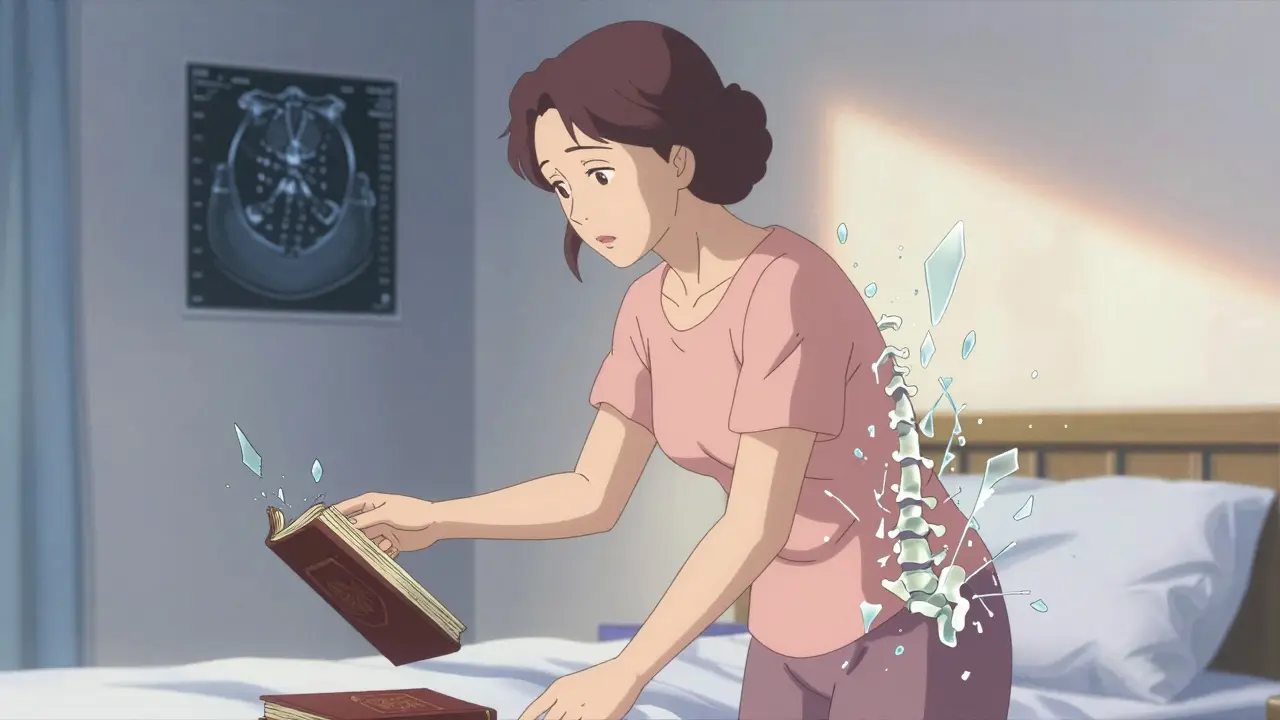
Osteoporosis weakens bones and increases fracture risk. Bisphosphonates are the most common treatment, slowing bone loss and reducing fractures by up to 50%. Learn how they work, their risks, and how they compare to newer drugs.
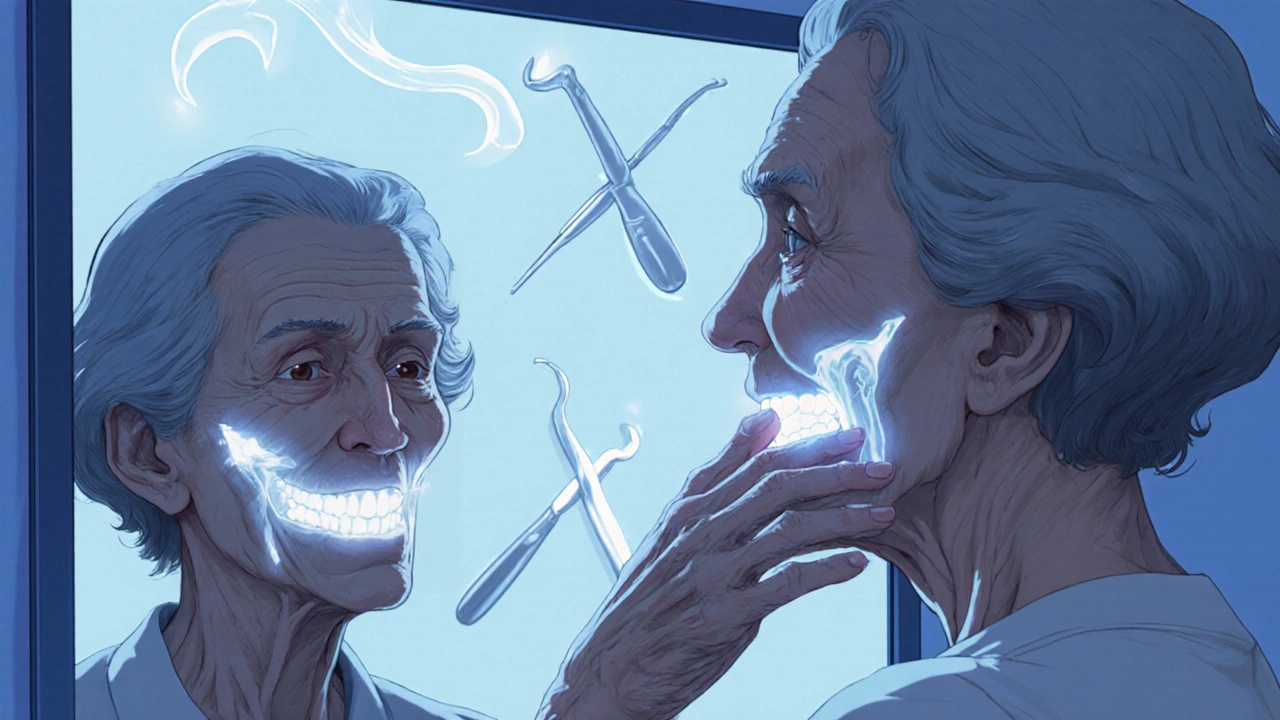
Bisphosphonates are highly effective for preventing osteoporosis fractures, but a rare risk is jaw necrosis. Learn the real chances, how to reduce it, and why skipping dental care is more dangerous than taking the medication.
Recent-posts

Aug, 11 2025
Mar, 19 2026
Dec, 11 2025
Feb, 18 2026

Mar, 20 2025
Categories
Tags
- online pharmacy
- side effects
- drug interactions
- generic drugs
- online pharmacy UK
- drug safety
- opioid side effects
- pill organizer
- Tadalafil
- arthritis medication
- buy medication online
- prescription medication
- quit smoking
- motion sickness
- Sildenafil
- Vardenafil
- ED medication alternatives
- biologics
- medication safety
- generic medication prices