
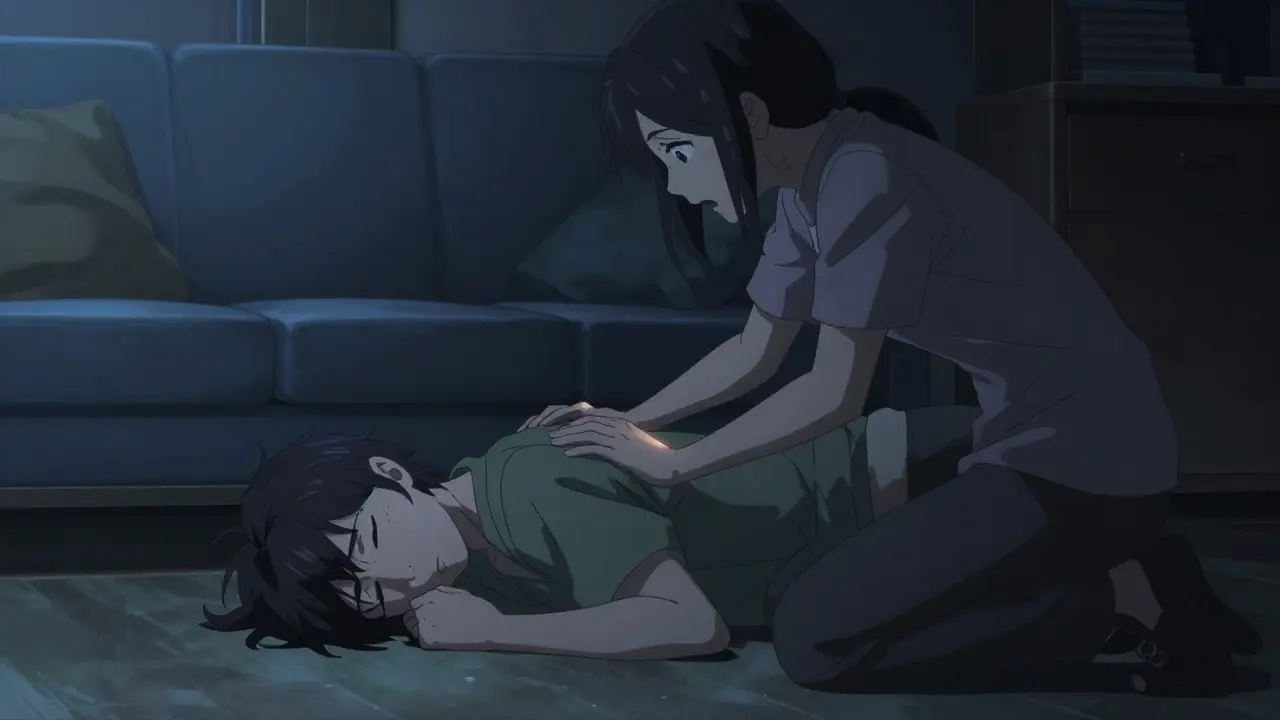
You never expect it to happen to you or someone you love. One moment, a person is talking; the next, they are slumped over, unresponsive, and breathing shallowly. In those terrifying seconds, knowing what to look for can mean the difference between life and death. A medication overdose is a medical emergency where consuming too much of a substance overwhelms the body's systems isn't just about illegal drugs. It involves prescription painkillers, over-the-counter cold medicines, and even alcohol. The Centers for Disease Control and Prevention (CDC) reported that drug overdose deaths in the United States reached 107,941 in 2022. That number is staggering, but here is the good news: many of these deaths are preventable if you recognize the warning signs early.
We often think of overdoses as something that happens to strangers on the news. But they happen in living rooms, college dorms, and workplaces every day. Whether accidental or intentional, the physiological crisis unfolds quickly. Your brain relies on oxygen, and when certain drugs slow down your breathing, that oxygen supply cuts off. Permanent brain damage can start within minutes. This guide breaks down exactly what an overdose looks like, how different drugs affect the body differently, and most importantly, what you should do right now if you suspect someone is overdosing.
The Universal Warning Signs of an Overdose
Before we get into specific drug types, there are general red flags that apply to almost any medication overdose. These symptoms occur because the body is struggling to process a toxic load of chemicals. If you see a combination of these signs, do not wait to see if they "pass." Call for help immediately.
- Altered Mental Status: The person may be confused, agitated, paranoid, or hallucinating. In severe cases, they might be awake but completely unresponsive to your voice or touch. According to GoodRx, 63% of emergency department visits for prescription drug misuse involve this type of altered mental status.
- Respiratory Distress: Breathing becomes difficult, shallow, or erratic. You might hear choking or gurgling sounds. This is particularly common in opioid overdoses, present in 42% of cases.
- Physical Changes: Look for blue or purple fingernails and lips. This condition, known as cyanosis, indicates that oxygen saturation has dropped below 90%. Their skin may also appear pale, clammy, or unusually hot.
- Gastrointestinal Issues: Severe nausea, vomiting, stomach pain, and diarrhea are common. The Substance Abuse and Mental Health Services Administration (SAMHSA) notes that nausea and vomiting were reported in 78% of non-fatal overdoses.
- Cardiovascular Instability: The pulse may become very slow (below 60 beats per minute) or extremely fast (above 100 bpm). Chest pain and dizziness often accompany these changes.
If someone is exhibiting these symptoms, especially difficulty breathing or unconsciousness, treat it as a critical emergency. Do not assume they are just drunk or tired. Time is the most critical factor in preventing permanent injury or death.
Opioid Overdose: The Silent Killer
Opioids include heroin, fentanyl, oxycodone, hydrocodone, and morphine. They are the leading cause of drug overdose deaths, with synthetic opioids like fentanyl involved in over 80% of fatalities in recent years. Opioids work by slowing down the central nervous system, which directly impacts breathing.
Medical professionals look for the "Opioid Triad" to identify an opioid overdose. If you see all three of these signs, act immediately:
- Pinpoint Pupils: The pupils constrict to a tiny size, often 1-2mm in diameter. Even in bright light, they remain small.
- Unconsciousness: The person cannot be woken up, no matter how hard you shake them or shout at them.
- Respiratory Depression: Breathing slows to less than 12 breaths per minute. You might notice long pauses between breaths-sometimes more than 10 seconds apart.
Other signs include extreme drowsiness that progresses to unresponsiveness, and a limp body. Fentanyl is particularly dangerous because it is 50 to 100 times more potent than morphine. A dose as small as two grains of salt can be lethal. Because tolerance drops quickly after just a few days of abstinence, people who have been in rehab or prison are at high risk if they resume use at previous levels. The Cleveland Clinic emphasizes that taking opioids in a way your body isn't used to is a primary trigger for fatal overdoses.
Stimulant Overdose: When the Body Overheats
Stimulants like cocaine, methamphetamine, and prescription ADHD medications (such as Adderall or Ritalin) push the body into overdrive. Unlike opioids, which slow things down, stimulants speed up heart rate, blood pressure, and body temperature. An overdose here is a cardiovascular crisis.
Watch for these aggressive symptoms:
- Hyperthermia: Body temperature spikes above 104°F (40°C). The person will feel burning hot to the touch and may be sweating profusely.
- Agitation and Paranoia: Extreme anxiety, panic, aggression, or delusions. They may feel like their skin is crawling or that someone is watching them.
- Cardiac Stress: Systolic blood pressure can soar above 180 mmHg. This puts immense strain on the heart, leading to arrhythmias (irregular heartbeat), chest pain, and potential heart attack.
- Seizures: About 37% of cocaine overdose cases involve seizures, according to the California Department of Public Health. The person may convulse uncontrollably.
A stimulant overdose can lead to stroke, organ failure, or cardiac arrest. Cooling the person down and keeping them calm is crucial while waiting for emergency services, but do not restrain them physically unless they are a danger to themselves or others, as this can increase agitation.
Depressant Overdose: The Danger of Aspiration
Depressants include benzodiazepines (like Xanax or Valium), barbiturates, and alcohol. These substances suppress brain activity. While they share some symptoms with opioid overdoses, such as slowed breathing and drowsiness, the mechanism of injury is slightly different. The biggest immediate risk with depressant overdoses is aspiration.
When someone overdoses on alcohol or benzodiazepines, their gag reflex is suppressed. If they vomit while unconscious, they can inhale the vomit into their lungs. This causes choking and pneumonia, which is a factor in 58% of fatal alcohol overdoses. Key signs include:
- Slurred Speech: Words become unintelligible well before total unconsciousness.
- Ataxia: Loss of muscle coordination. They may stumble, fall, or be unable to stand upright.
- Profound Drowsiness: Difficulty staying awake, eyes closing involuntarily.
- Vomiting While Unconscious: This is a major red flag requiring immediate positioning to keep airways clear.
Mixing depressants with opioids is incredibly dangerous. This polysubstance use accounted for nearly 57% of overdose deaths in 2022. The combined effect on breathing is synergistic, meaning the suppression is far greater than the sum of each drug alone.
What To Do: Emergency Response Protocol
If you suspect an overdose, your actions in the first few minutes are vital. Panic is natural, but you need to stay focused. Follow these steps strictly.
| Action | Details |
|---|---|
| 1. Call for Help | Dial 911 (US) or 999/112 (UK/EU) immediately. Tell them you suspect an overdose. Do not hang up until instructed. |
| 2. Check Responsiveness | Shake the person’s shoulders firmly and shout their name. If they do not respond, check for breathing. |
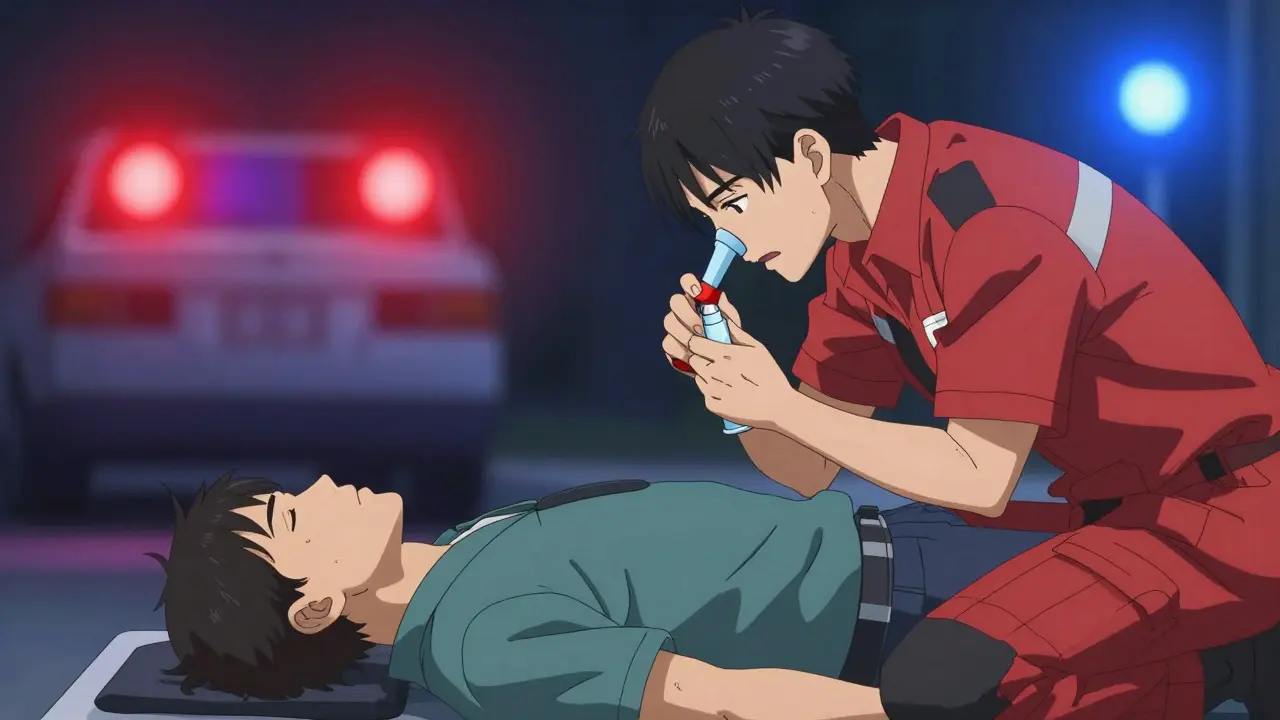
| 3. Administer Naloxone | If you have Naloxone (NARCAN) and suspect an opioid overdose, administer it. Nasal spray delivers 4mg. It can reverse effects in 85% of cases if given within 2-3 minutes. |
| 4. Position Safely | Place the person on their side (recovery position). This prevents choking if they vomit. Keep their head tilted back to keep the airway open. |
| 5. Stay With Them | Monitor breathing. If they stop breathing, begin CPR if you are trained. Stay until paramedics arrive. |
There are several things you must not do. Never try to make the person "sleep it off." Delayed treatment is a factor in 29% of fatal overdoses. Do not put them in a bath or shower, as this can cause hypothermia or drowning. Do not give them coffee, food, or home remedies. These actions waste precious time and can worsen the situation.
Legal protections exist to encourage bystanders to act. In the UK, there are no penalties for calling an ambulance for someone overdosing. Similarly, many US states have "Good Samaritan" laws (like Minnesota’s Steve’s Law) that protect callers from minor drug possession charges. Saving a life is always the priority.
Prevention and Harm Reduction Tools
Recognizing symptoms is reactive; prevention is proactive. The landscape of drug safety has changed with new tools available to reduce risk.
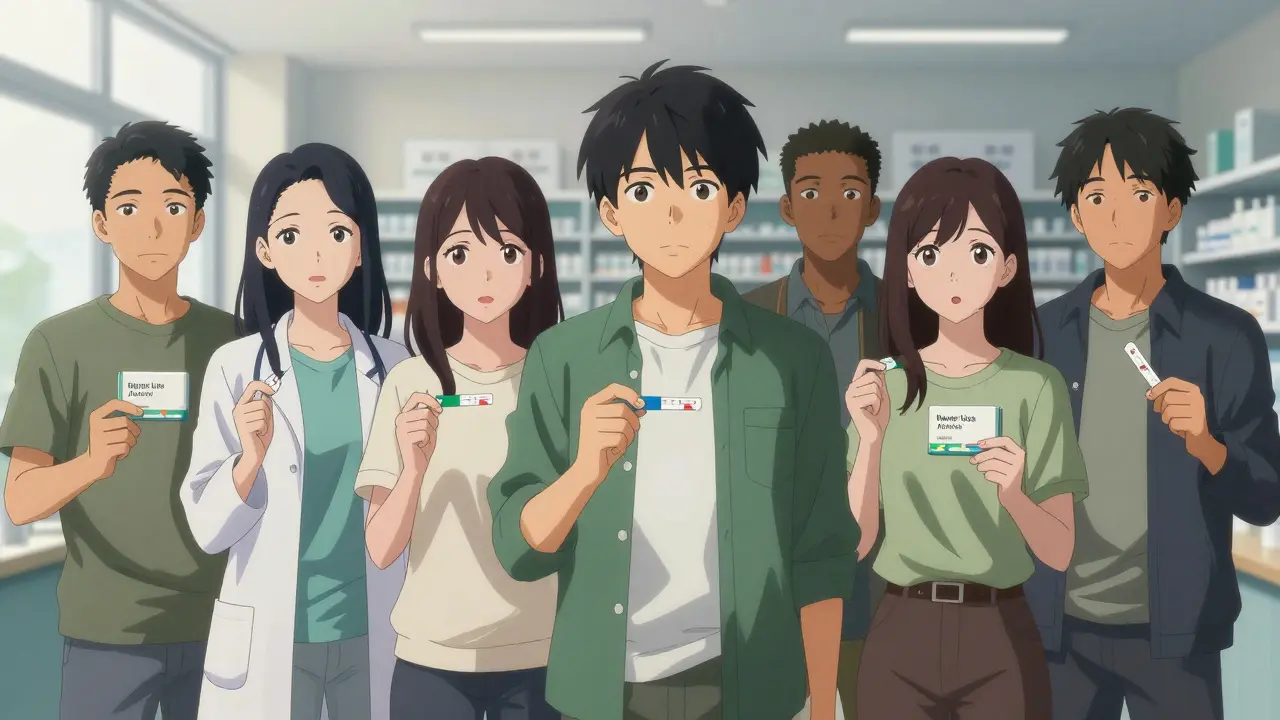
Fentanyl Test Strips: These small strips can detect the presence of fentanyl in other drugs. Dr. Wilson Compton from the National Institute on Drug Abuse notes they have 97% accuracy at low concentrations. If a strip tests positive, users can adjust their behavior, take less, or seek naloxone. In 2022, 67% of counterfeit pills tested in California contained fentanyl.
Naloxone Access: Naloxone is now available over-the-counter in many pharmacies without a prescription. It costs approximately $40-$50 per kit. Keeping a dose in your home medicine cabinet, especially if you or family members take opioids, is a smart safety measure. Apps like "Naloxone Saves" help locate distribution sites nearby.
Never Use Alone: Isolation is a major risk factor. Many harm reduction programs offer "never use alone" phone lines where you call a volunteer who stays on the line with you and dispatches help if you go silent. This simple connection has saved countless lives.
Understanding the Data: Who is at Risk?
Overdose does not discriminate, but data shows certain patterns. Synthetic opioids caused 73,838 deaths in 2022, a 22.4% increase from the previous year. Adults aged 25-54 are the most affected demographic. Geographic disparities are stark; West Virginia had the highest overdose death rate at 88.9 per 100,000 people, compared to Nebraska’s 21.7 per 100,000.
Demographic shifts are also occurring. Overdose death rates increased by 21% among Black Americans from 2020 to 2022, surpassing rates among White Americans for the first time in the crisis. Understanding these trends helps communities target resources effectively. The economic burden is also heavy, with non-fatal opioid overdoses costing over $10,000 per emergency visit.
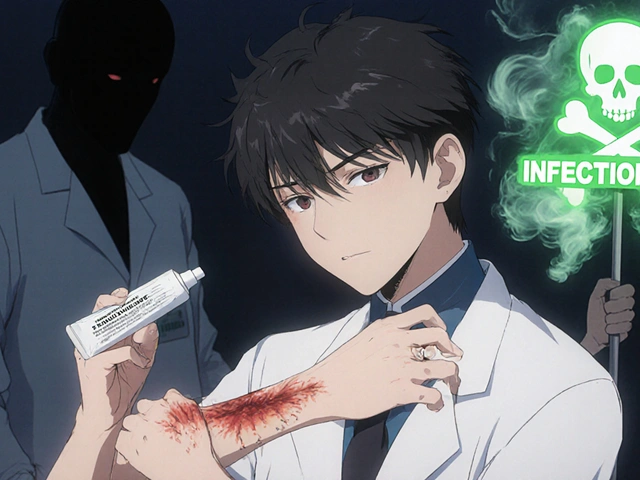
New threats are emerging, such as xylazine, a veterinary tranquilizer mixed with fentanyl. Known as "tranq," it appeared in 67% of fentanyl samples in Philadelphia in 2022. Xylazine reduces the effectiveness of naloxone and causes severe skin ulcers. This complexity means that even with naloxone on hand, multiple doses may be needed, and professional medical care is essential.
Recovery and Next Steps
Surviving an overdose is a critical wake-up call. It is often a sign of underlying substance use disorder. After the immediate emergency is resolved, connecting with treatment resources is vital. The SAMHSA National Helpline (1-800-662-4357) offers 24/7 confidential referrals. They handled nearly 800,000 calls in 2022, connecting people to local treatment centers, support groups, and educational materials.
Treatment options range from medically assisted withdrawal to long-term counseling and medication-assisted treatment (MAT) using buprenorphine or methadone. MAT has proven highly effective in reducing relapse and overdose deaths. Recovery is possible, but it requires support and professional guidance.
How long does it take for an overdose to become fatal?
The timeline varies by drug. For opioids, respiratory arrest can lead to brain damage within 4 to 6 minutes without oxygen. Stimulant overdoses can cause sudden cardiac arrest or stroke rapidly. Depressant overdoses may progress more slowly but carry high risks of aspiration. Immediate action is always required.
Can you overdose on over-the-counter medication?
Yes. Acetaminophen (Tylenol) overdoses can cause severe liver failure. Ibuprofen overdoses can damage kidneys and cause gastrointestinal bleeding. Antihistamines like diphenhydramine (Benadryl) can cause seizures and cardiac issues in high doses. Always follow dosage instructions carefully.
Does naloxone work on all types of overdoses?
No. Naloxone only reverses opioid overdoses. It has no effect on stimulants, depressants, or alcohol. However, because it is harmless to those who haven't taken opioids, it is safe to administer if you are unsure of the substance involved. If the person does not respond, continue CPR and wait for EMS.
What is the recovery position?
The recovery position involves rolling the unconscious person onto their side, bending the top knee to stabilize them, and tilting their head back slightly. This keeps the airway open and allows fluids like vomit to drain out of the mouth rather than into the lungs.
Is it legal to buy naloxone without a prescription?
In the United States, yes. The FDA approved over-the-counter naloxone nasal spray in March 2023. In the UK, naloxone can be obtained through pharmacies and community projects without a prescription. Laws vary by country, so check local regulations.
Joseph Teichman
May 29, 2026 AT 01:24good info. keep it simple.
Elizabeth Fandry
May 29, 2026 AT 13:56The epistemological framework presented here is woefully inadequate for the discerning intellect 🧐. One must consider the ontological implications of pharmacological dependency beyond mere symptomatology. The reductionist approach to 'warning signs' ignores the complex socio-economic determinants that precipitate such crises in the first place. It is a superficial glance at a multifaceted tragedy that requires deep philosophical scrutiny rather than a checklist 📋. Furthermore, the reliance on statistical aggregates from institutions like the CDC often obscures the nuanced reality of individual suffering and systemic failure. We are not merely dealing with biological malfunctions but with a crisis of meaning and connection in modern society. To suggest that naloxone alone is a panacea is to ignore the root causes of despair that drive individuals to seek oblivion through chemical means. A true understanding demands we look beyond the immediate physiological response to the existential void that precedes the overdose event. This article, while well-intentioned, fails to engage with the deeper moral and ethical dimensions of public health policy. It treats the symptom while ignoring the disease of alienation that plagues our contemporary existence 😒.
Jonhnnie john13
May 29, 2026 AT 22:46typical fear mongering garbage. people die every day from heart attacks caused by stress and poor diet yet nobody writes guides on how to recognize those symptoms because it doesnt fit the narrative. the opioid crisis is blown out of proportion by media outlets looking for clicks. most overdoses are intentional suicides not accidental mistakes so this guide is useless for the majority of cases. stop pretending you can save everyone with a pamphlet.
Angela Niculescu
May 30, 2026 AT 02:56I disagree with the premise that recognizing these signs is the primary solution. The problem isn't lack of awareness; it's lack of access to mental health resources and affordable treatment. You can know all the signs in the world but if you live in a rural area with no ambulance service within an hour, that knowledge is moot. Also, the idea that fentanyl test strips are a viable harm reduction tool is controversial because they don't address the underlying addiction issue. They just enable continued use. We need to focus on prevention and rehabilitation not just emergency response protocols.
Anthony Padilla
May 30, 2026 AT 15:01hey guys i think its super important to remember that culture plays a huge role in how we view addiction. in some communities talking about mental health is taboo which makes seeking help harder. we need to break down those barriers together. also the typo in the original post about 'isn't just about illegal drugs' being part of the previous sentence structure was confusing but i get the point. let's support each other more.
Madeline Petes
June 1, 2026 AT 04:30This is actually really helpful stuff! I never realized how different stimulant overdoses look compared to opioids. Its scary but knowing what to do could save someone. I am going to share this with my friends who party a lot. Stay safe everyone!
Ramanath Rao
June 3, 2026 AT 00:55You westerners are so naive thinking a few tips will solve your drug problems. In India we deal with much more severe issues without such fancy naloxone kits available everywhere. Your government failed you by not providing proper healthcare and now you expect strangers to be paramedics. The statistics you cite are manipulated to show improvement where there is none. Real change comes from strict enforcement and cultural discipline not handouts and test strips. Stop blaming the victims and start holding the pharmaceutical companies accountable for their greed.
Gary Helminiak
June 3, 2026 AT 13:59As a former EMT, I can tell you that the information provided here is largely accurate but misses some critical nuances regarding polysubstance use which is becoming increasingly common. When patients present with mixed overdoses such as combining benzos and opioids the respiratory depression is synergistic meaning it happens faster and is more severe than either drug alone. Many bystanders hesitate to administer naloxone because they fear triggering acute withdrawal which can be dangerous for the patient. However current medical consensus suggests that the risk of death from respiratory arrest far outweighs the risks of acute withdrawal. Additionally the mention of xylazine is crucial because it complicates treatment significantly since it does not respond to naloxone. Bystanders should be aware that even after administering naloxone if the patient does not improve immediately they may be dealing with a non-opioid component or a synthetic mixture requiring advanced life support. It is also worth noting that CPR should be initiated immediately if breathing has ceased regardless of whether naloxone has been administered. Time is brain and delays in starting chest compressions can lead to irreversible hypoxic brain injury within minutes. The recovery position is vital but many people forget to clear the airway of any visible obstructions before positioning. Always check for vomit or blood in the mouth. Finally good samaritan laws vary significantly by state so it is advisable to know your local regulations but generally saving a life is protected. Keep up the good work spreading awareness 💪🚑
Michael Schurmann
June 4, 2026 AT 02:16The author clearly lacks a fundamental understanding of pharmacokinetics. The dosage examples provided are overly simplistic and fail to account for individual metabolic variations. Furthermore the suggestion that fentanyl test strips have 97% accuracy is misleading without specifying the detection limits and potential false negatives in complex mixtures. This type of oversimplified advice contributes to a false sense of security among users. True harm reduction requires comprehensive education not just quick fixes.
Sharon O’Mahonh
June 4, 2026 AT 09:53we are all connected in this struggle and it takes a village to heal. the language used here is clinical but the heart behind it is right. we must embrace compassion over judgment. when someone is struggling they need love not lectures. lets create spaces where people feel safe to ask for help without shame. inclusion is key to breaking the cycle of addiction. together we can rise above this challenge and support each other towards wellness. peace and light to all 🌟
Christina Mitchell
June 5, 2026 AT 20:32It is fascinating how the demographic shifts mentioned in the article reflect broader societal changes. The increase in overdose rates among Black Americans highlights systemic inequalities in healthcare access and community resources. As a philosopher thinker I see this as a call to examine the structural forces that shape health outcomes. We must move beyond individual blame and look at the collective responsibility we have to build equitable systems. The data serves as a mirror reflecting our failures and opportunities for growth. Let us use this knowledge to advocate for meaningful policy changes that prioritize human dignity and well-being for all communities.
Christopher Laver
June 6, 2026 AT 18:10boring.
irine sabrina
June 7, 2026 AT 15:53I appreciate the detailed breakdown of symptoms. It gives me confidence that I would know what to do in an emergency. My friend recently went through rehab and seeing this information reminds me how lucky we are to have resources like naloxone available. I hope more people read this and take it seriously. Life is precious and we should protect it. Sending positive vibes to anyone reading this who might be struggling right now. You are not alone ❤️
dane thorp
June 7, 2026 AT 19:14Please respect the boundaries of those affected by addiction. Sharing personal stories or judging others based on stereotypes is counterproductive. Focus on the facts presented in the article and avoid making assumptions about the character of individuals who suffer from substance use disorders. Empathy and privacy are essential components of effective support.