
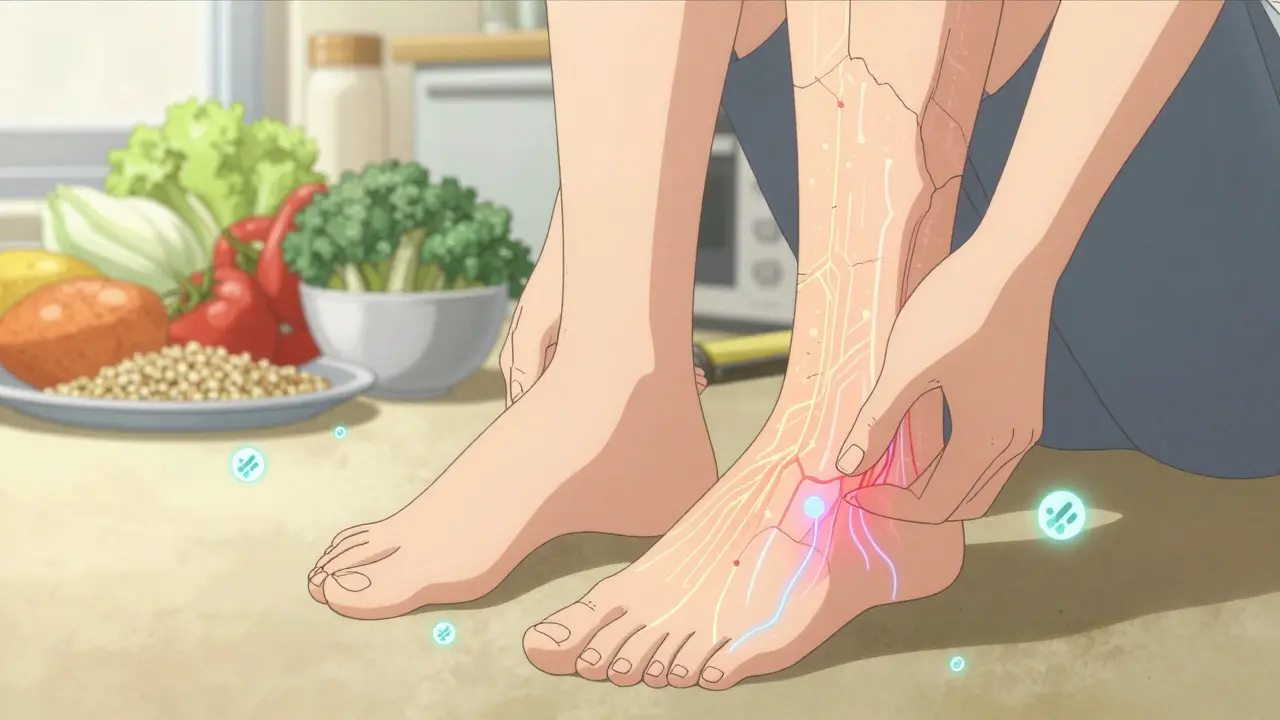
What Is Diabetic Neuropathy?
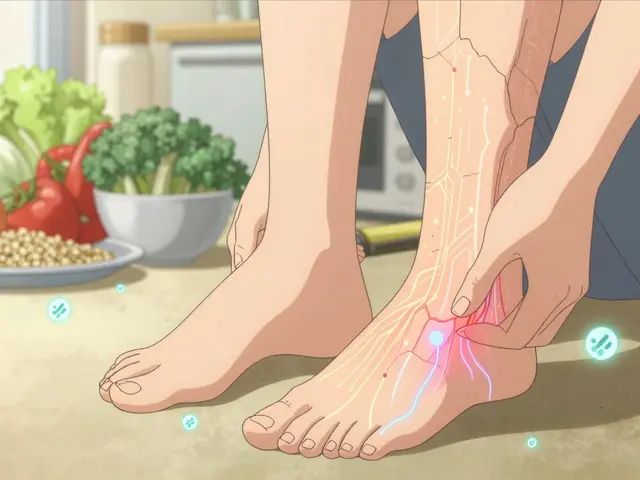
Diabetic neuropathy isn’t just a side effect of diabetes-it’s a direct result of too much sugar in the blood over time. When glucose levels stay high for months or years, they damage the nerves, especially those farthest from the heart: your feet, legs, hands, and arms. This is called diabetic peripheral neuropathy, and it affects 60 to 70% of people with diabetes. For about one in five, the damage causes real, persistent pain-burning, tingling, or sharp shocks that make walking or sleeping difficult.
The problem starts quietly. At first, you might notice numbness in your toes or a feeling like you’re wearing socks when you’re not. Over time, that numbness spreads. Then comes the pain. Some people describe it as electric shocks. Others say it feels like their skin is on fire. The worst part? You might not feel a cut or blister until it’s infected. That’s why diabetic neuropathy is one of the leading causes of foot ulcers and amputations.
Why Blood Sugar Control Is the Foundation
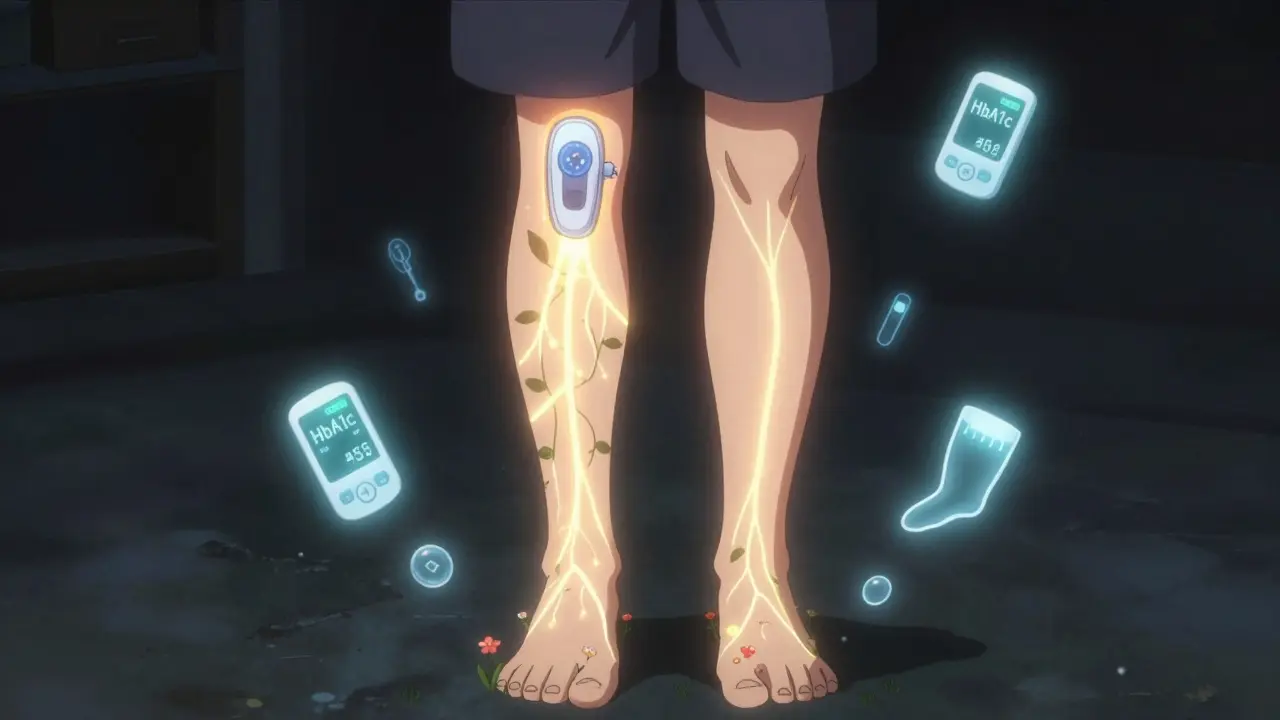
No medication, no patch, no nerve stimulator can fix nerve damage if your blood sugar stays high. The single most powerful tool you have is keeping your HbA1c below 7%. That’s not a suggestion-it’s science. The Diabetes Control and Complications Trial showed that tight glucose control cuts the risk of nerve damage by 60%. That’s bigger than any drug.
What does that look like in real life? Fasting blood sugar between 80 and 130 mg/dL. After meals, under 180 mg/dL. It means checking your levels often, adjusting your insulin or pills as needed, and watching what you eat. No more sugary drinks. No more white bread or pastries. Focus on vegetables, lean proteins, whole grains, and healthy fats. Walking 30 minutes a day helps too-your nerves respond to movement as much as they do to medicine.
Here’s the hard truth: only 14% of people with diabetes hit that HbA1c target. It’s tough. But if you’re struggling, you’re not alone. Working with a Certified Diabetes Care and Education Specialist can make a huge difference. Most people need 4 to 6 sessions over a few months to get the rhythm right. And when you do get your numbers under control, symptoms can improve-even reverse-in as little as a year.
First-Line Medications for Nerve Pain
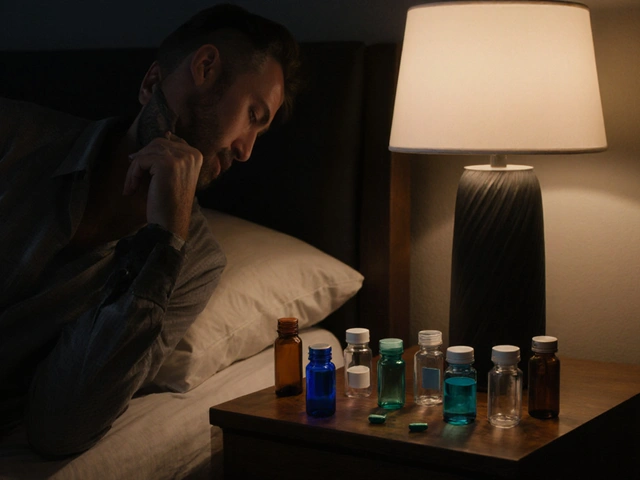
If pain is still there after you’ve improved your blood sugar, medications can help. But not all painkillers work the same. Ibuprofen or aspirin won’t touch diabetic nerve pain. It needs drugs that target the nervous system, not just inflammation.
The two FDA-approved options are duloxetine (Cymbalta) and pregabalin (Lyrica). Duloxetine, an SNRI, helps about 35% of people cut their pain in half. Pregabalin works for 30 to 40%. Both take a few weeks to build up in your system. Side effects? Duloxetine can cause nausea or dry mouth. Pregabalin often leads to dizziness or weight gain.
Many doctors still start with amitriptyline, an old tricyclic antidepressant. It’s cheaper and works well-up to 60% of users get relief. But it’s not for everyone. It can make you super sleepy, cause dry mouth, or raise your heart rate. For older adults, it’s risky. That’s why many clinics now start with duloxetine or pregabalin instead.
Second-Line and Alternative Treatments
If first-line drugs don’t help-or if side effects are too much-you have other options.
Tramadol is a painkiller that works like a weak opioid. It helps about 40 to 50% of people, but it’s not a long-term solution. Your body gets used to it. Doses need to climb. And the CDC warns that 8 to 12% of long-term users end up dependent. It’s a backup, not a first choice.
Topical treatments are often overlooked. The capsaicin 8% patch (Qutenza) is applied by a doctor once every three months. It works by draining the pain signals from your nerves. In trials, 40% of users got at least 30% pain relief-with almost no side effects. Lidocaine patches (5%) are another option. You stick them on the painful spot. They’re safe, easy, and great for localized pain.
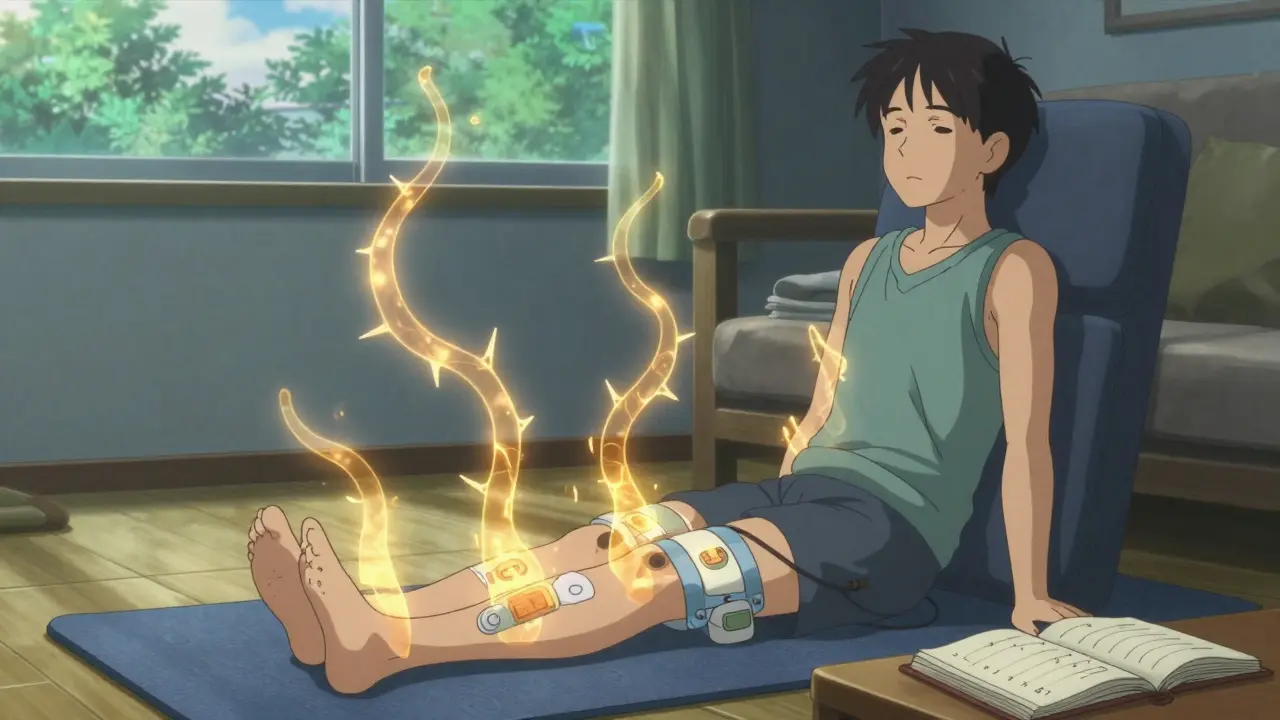
Some people swear by TENS units. These small devices send mild electrical pulses through your skin. One small study showed 83% of users had better pain scores after using one regularly. It’s cheap, non-invasive, and you can use it at home.
Advanced Options: Nerve Stimulation and Blocks
When pills and patches aren’t enough, doctors turn to more advanced tools.
Peripheral nerve stimulation means implanting a tiny device near the damaged nerve. It sends gentle pulses that block pain signals. It’s not surgery in the traditional sense-more like a minor procedure under local anesthesia. Many patients report lasting relief for years.
Spinal cord stimulation is even more promising. It’s been used for decades for back pain, but new studies show it helps diabetic neuropathy too. Patients don’t just feel less pain-they start to feel more. Numbness improves. Some say they can feel their feet again for the first time in years. It’s not a cure, but it’s the closest thing we have to reversing damage.
Nerve blocks are temporary. A doctor injects numbing medicine near the affected nerve. Relief lasts weeks, sometimes months. It’s useful for flare-ups or while waiting for other treatments to kick in.
Lifestyle Changes That Actually Help
Medications don’t work in a vacuum. Your daily habits shape your nerves as much as your pills do.
Exercise isn’t just good for your heart-it’s good for your nerves. Walking, swimming, or cycling for 30 minutes a day improves blood flow to your extremities. Yoga helps too, especially for balance and reducing stress.
Diet matters. Eat colorful vegetables, beans, nuts, fish, and whole grains. Cut out processed foods and sugary snacks. Inflammation makes nerve pain worse. Anti-inflammatory foods help calm it down.
Stress management is critical. Chronic pain raises cortisol. High cortisol raises blood sugar. It’s a loop. Meditation, deep breathing, or even just 10 minutes of quiet each day can break that cycle.
Foot care is non-negotiable. Check your feet every day. Use a mirror if you can’t see the bottom. Wash them in lukewarm water. Dry them well. Moisturize (but not between the toes). Wear shoes that fit. Never walk barefoot. Even a small cut can turn into a serious infection.
What Doesn’t Work-and What’s Risky
Some treatments sound good but aren’t safe for people with diabetes.
NSAIDs like ibuprofen or naproxen? They raise your risk of heart problems and kidney damage. Diabetics already have a 30 to 40% higher chance of kidney disease. Adding NSAIDs makes it worse. Avoid them unless your doctor says otherwise.
Alcohol? It’s toxic to nerves. If you have neuropathy, cutting back or quitting helps more than any pill.
And don’t assume “natural” remedies are safe. Some herbal supplements interact with diabetes meds or raise blood sugar. Always talk to your doctor before trying anything new.
What to Expect and When to Seek Help
Recovery isn’t fast. Even with perfect blood sugar control, it can take 6 to 12 months to notice real improvement. Some people get better. Others stabilize. A few still struggle.
That’s why you need to track your progress. Keep a pain journal. Rate your pain on a scale of 1 to 10 each day. Note what helped or made it worse. Bring it to your appointments.
See your doctor if:
- Pain suddenly gets worse
- You lose feeling in your feet or hands
- You develop a sore or blister that won’t heal
- You feel dizzy, confused, or have trouble walking
Depression is common with chronic pain. If you feel hopeless, tired all the time, or lose interest in things you used to enjoy, ask for help. Mental health is part of nerve health.
The Future: What’s Coming Next
Research is moving fast. Scientists are testing drugs that target specific pain channels in nerves-like Nav 1.7 blockers or N-type calcium inhibitors. These could be more effective and have fewer side effects than current options.
One of the most exciting areas is nerve regeneration. Animal studies show it’s possible to regrow damaged nerves. Human trials are starting. Within 5 to 10 years, we may have treatments that don’t just mask pain-but actually repair the damage.
For now, the best strategy is simple: control your blood sugar, use the right meds, stay active, protect your feet, and don’t give up. You’re not just managing symptoms. You’re protecting your future.



rajaneesh s rajan
January 28, 2026 AT 15:21DHARMAN CHELLANI
January 30, 2026 AT 13:23Keith Oliver
January 31, 2026 AT 21:13Kacey Yates
February 2, 2026 AT 08:12Jasneet Minhas
February 4, 2026 AT 00:21Kristie Horst
February 5, 2026 AT 10:34Andy Steenberge
February 6, 2026 AT 23:07Laia Freeman
February 8, 2026 AT 22:41paul walker
February 10, 2026 AT 19:19Alex Flores Gomez
February 12, 2026 AT 14:45Frank Declemij
February 13, 2026 AT 07:26Pawan Kumar
February 14, 2026 AT 15:57ryan Sifontes
February 15, 2026 AT 00:46