

You wake up with puffy eyes. Your socks leave deep indentations on your calves that don't bounce back. When you use the bathroom, the urine looks foamy or bubbly, like soap suds. These aren't just signs of a bad night's sleep or salty dinner. They are classic red flags for nephrotic syndrome, a serious kidney condition where your body leaks massive amounts of protein into your urine.
Nephrotic syndrome is not a single disease but a collection of symptoms indicating significant damage to the kidney's filtering units, known as glomeruli. It is defined by four key features: heavy protein loss in urine (proteinuria), low blood protein levels (hypoalbuminemia), swelling (edema), and high cholesterol (hyperlipidemia).What Is Nephrotic Syndrome? The Core Mechanism
To understand why this happens, imagine your kidneys as a sophisticated coffee filter. In a healthy system, the filter keeps large particles-like coffee grounds-out of your cup while letting the liquid pass through. In your kidneys, these "grounds" are essential proteins, specifically albumin, which keep fluid inside your blood vessels. In nephrotic syndrome, the filter gets damaged. Specifically, the tiny structures called podocytes and the slit diaphragms between them become leaky. This allows albumin to escape into your urine. When you lose too much albumin, your blood can no longer hold onto water effectively. The fluid spills out into your tissues, causing the characteristic swelling seen in patients.
The medical definition requires specific thresholds. For adults, it means excreting more than 3.5 grams of protein per day. For children, it’s often measured as more than 40 mg per square meter of body surface area per hour. Alongside this, blood tests will show serum albumin levels dropping below 3.0 g/dL. Without intervention, this imbalance triggers a chain reaction affecting your heart, liver, and immune system.
Recognizing the Symptoms: Beyond Swelling
Swelling, or edema, is usually the first thing people notice. It often starts around the eyes, especially in the morning, and moves down to the legs, ankles, and feet. In severe cases, fluid can build up in the abdomen (ascites) or lungs (pleural effusion), making breathing difficult.
However, other signs are equally important:
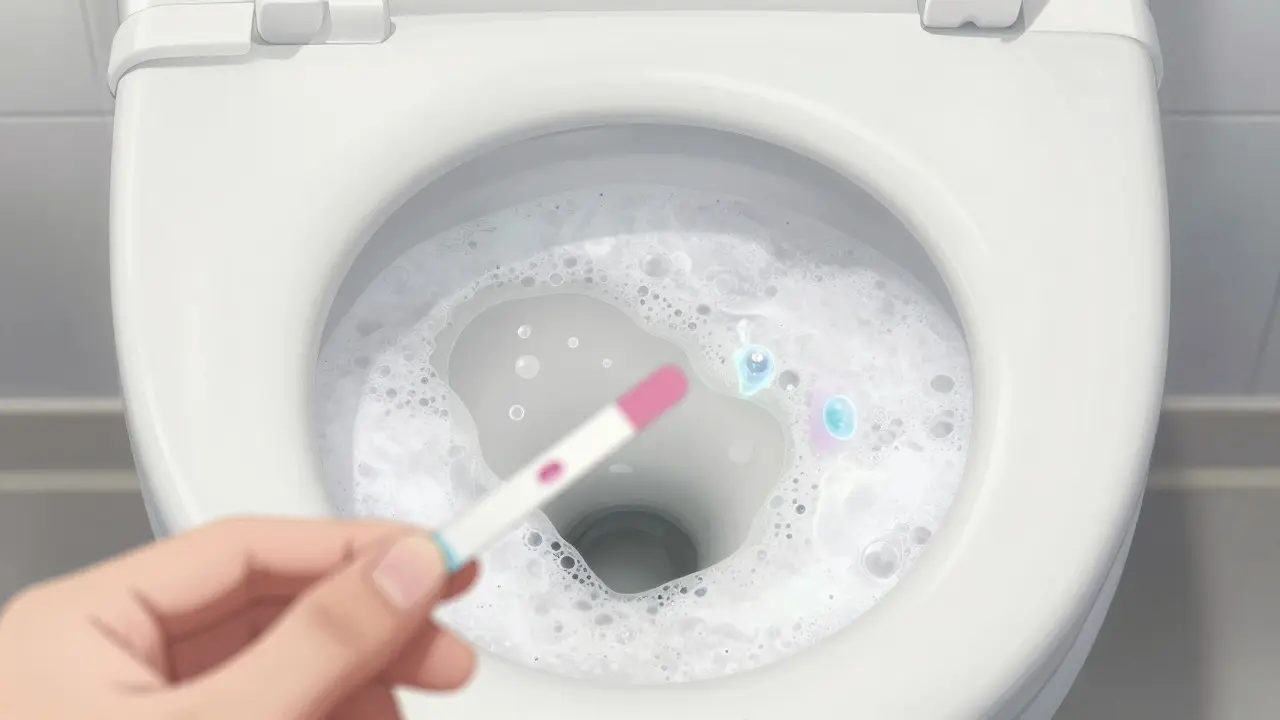
- Foamy Urine: This is caused by the excess protein changing the surface tension of the urine. If you see bubbles that persist after flushing, take note.
- Rapid Weight Gain: This isn’t fat gain; it’s water retention. Patients can gain 5-15 pounds in a short period due to fluid shifts.
- Fatigue and Weakness: Low albumin levels mean less oxygen-carrying capacity and general metabolic stress.
- High Cholesterol: Your liver tries to compensate for low blood protein by producing more lipoproteins, leading to hyperlipidemia. Serum cholesterol often exceeds 300 mg/dL.
If you have these symptoms, do not wait. Early diagnosis prevents complications like blood clots and infections, which are higher risks when your immune system is compromised by protein loss.
Causes: Why Does This Happen?
Nephrotic syndrome stems from different causes depending on age. In children, the most common cause is Minimal Change Disease (MCD). Despite the name, it’s serious. Under an electron microscope, the kidney cells look normal, but their foot processes (podocyte feet) fuse together, causing leakage. MCD accounts for 80-90% of cases in kids aged 2-6.
In adults, the landscape changes. Focal Segmental Glomerulosclerosis (FSGS) becomes a major player, responsible for about 40% of adult cases. Here, scar tissue forms in parts of the glomeruli. Other common causes include:
- Membranous Nephropathy: Antibodies attack the glomerular basement membrane.
- Diabetic Nephropathy: Long-term high blood sugar damages kidney filters. This is a leading cause in adults over 65.
- Systemic Lupus Erythematosus (SLE): An autoimmune disease that can inflame the kidneys.
- Genetic Mutations: Rare congenital forms, like Finnish-type nephrotic syndrome, involve gene defects (e.g., NPHS1) present at birth.
Diagnosis: How Doctors Confirm It
Doctors don’t guess. They measure. The diagnostic process typically involves:
- Urine Tests: A 24-hour urine collection measures total protein output. A simple dipstick test can also screen for albumin-to-creatinine ratios.
- Blood Tests: Checking serum albumin, cholesterol, and kidney function markers like creatinine and eGFR (estimated Glomerular Filtration Rate).
- Kidney Biopsy: If the cause isn’t clear (especially in adults or steroid-resistant children), a small sample of kidney tissue is removed and examined under a microscope. This distinguishes FSGS from MCD or other pathologies.
Differentiating from Nephritic Syndrome is crucial. While nephrotic syndrome features massive protein loss and swelling, nephritic syndrome involves inflammation, blood in the urine (hematuria), and high blood pressure. The treatments differ significantly, so accurate diagnosis is vital.
| Feature | Nephrotic Syndrome | Nephritic Syndrome |
|---|---|---|
| Proteinuria | Massive (>3.5g/day) | Mild to Moderate |
| Hematuria (Blood in Urine) | Absent or Mild | Prominent (Red Blood Cell Casts) |
| Edema (Swelling) | Severe | Mild to Moderate |
| Blood Pressure | Normal or Elevated | Often High |
| Primary Mechanism | Podocyte Damage/Leakage | Inflammation/Immune Attack |
Treatment Strategies: Managing the Condition
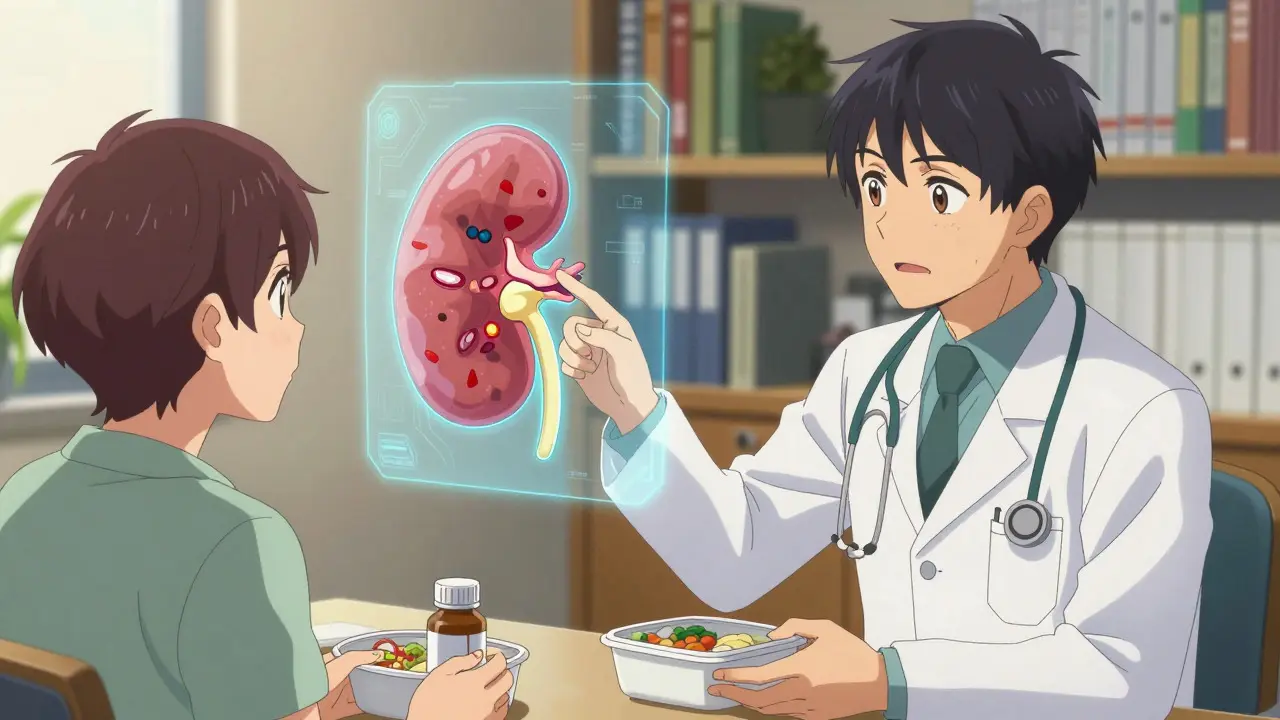
Treatment depends entirely on the underlying cause. There is no one-size-fits-all pill, but the goals are consistent: stop the protein leakage, reduce swelling, and protect long-term kidney function.
Medications
Corticosteroids, such as Prednisone, are the first line of defense for Minimal Change Disease. Children often respond dramatically, with 80-90% achieving remission within weeks. Adults may require longer courses or higher doses. For steroid-resistant cases, doctors might prescribe calcineurin inhibitors like tacrolimus or cyclosporine, or biologics like rituximab.
Regardless of the cause, almost all patients benefit from ACE inhibitors (like lisinopril) or ARBs (like losartan). These drugs lower blood pressure and directly reduce protein leakage by altering pressure dynamics in the glomeruli. They can cut proteinuria by 30-50%.
Lifestyle and Diet
Medication alone isn’t enough. You must manage your intake:
- Sodium Restriction: Limit salt to under 2,000 mg per day. Salt holds water. Reducing sodium helps drain excess fluid naturally.
- Protein Intake: Contrary to popular belief, eating huge amounts of protein doesn’t help. It stresses the kidneys further. Aim for 0.8-1.0 grams per kilogram of body weight.
- Fat Management: Since cholesterol spikes, a heart-healthy diet low in saturated fats is necessary to prevent cardiovascular issues.
Complications and Risks
Nephrotic syndrome increases your risk for several serious conditions:
- Thrombosis (Blood Clots): Losing certain anti-clotting proteins makes your blood thicker. Renal vein thrombosis occurs in 10-40% of adults with severe hypoalbuminemia. Anticoagulants may be needed.
- Infections: Losing immunoglobulins (antibodies) weakens your immune system. Pneumonia and skin infections are common. Vaccinations should be updated before starting immunosuppressive therapy.
- Acute Kidney Injury: Severe dehydration or medication side effects can temporarily shut down kidney function.
Prognosis: What to Expect Long-Term
The outlook varies wildly based on the cause. Children with Minimal Change Disease have an excellent prognosis, with 95% retaining kidney function over 10 years. However, relapses are common, often triggered by viral infections.
For adults with FSGS or diabetic nephropathy, the journey is harder. Only 50-70% of FSGS patients maintain stable kidney function over a decade without aggressive treatment. Persistent proteinuria above 1 gram per day despite treatment increases the risk of end-stage kidney disease by more than four times. Regular monitoring with a nephrologist is non-negotiable.
Living With Nephrotic Syndrome
Managing this condition requires patience. Swelling may take days to resolve even after starting meds. Track your weight daily-sudden gains indicate fluid retention. Keep a log of your urine foaminess. Communicate openly with your healthcare team about side effects from steroids, such as mood swings or increased appetite.
New therapies are emerging. Drugs targeting endothelin receptors (like sparsentan) show promise in reducing proteinuria in resistant cases. Genetic testing is also becoming standard for young children to avoid unnecessary immunosuppression if the cause is congenital.
Nephrotic syndrome is manageable, but it demands vigilance. By understanding the mechanics of protein loss and adhering to strict dietary and medical protocols, many patients live full, active lives while preserving their kidney health.
Is nephrotic syndrome curable?
It depends on the cause. Minimal change disease in children is often highly responsive to steroids and can go into long-term remission, effectively acting as a cure for many periods. However, conditions like FSGS or diabetic nephropathy are chronic and require lifelong management to slow progression rather than complete cure.
Can diet alone treat nephrotic syndrome?
No. While a low-sodium diet is critical for managing edema (swelling), it cannot repair the damaged glomerular filters. Medication is almost always required to address the underlying inflammation or immune response causing the protein leak.
Why does my urine look foamy?
Foamy urine is caused by high levels of protein, specifically albumin, in the urine. Protein changes the surface tension of the liquid, creating bubbles that resemble soap suds. If this persists after flushing, it is a strong indicator of proteinuria and warrants immediate medical testing.
What is the difference between nephrotic and nephritic syndrome?
Nephrotic syndrome is characterized by massive protein loss (>3.5g/day), severe swelling, and high cholesterol. Nephritic syndrome involves inflammation, blood in the urine (hematuria), and high blood pressure. The former is a filtration failure; the latter is an inflammatory attack.
Are there genetic forms of nephrotic syndrome?
Yes. Congenital nephrotic syndrome, such as the Finnish type, is caused by gene mutations (like NPHS1) affecting podocyte structure. It presents in infancy with massive proteinuria. Genetic testing is increasingly used to identify these cases early to tailor treatment appropriately.





Paul Lyons
July 24, 2026 AT 14:47THIS IS AN OUTRIGHT DECLARATION OF WAR ON OUR HEALTH SYSTEM. The government hides the truth about kidney failure while pushing big pharma profits. They want you sick so they can sell you pills that don't work. Wake up people! It's all a conspiracy to keep us dependent on their toxic chemicals.
Andrew Donovan
July 24, 2026 AT 17:00The mechanism described here is quite elegant in its simplicity, much like a well-oiled machine that has unfortunately rusted at the hinges. It is fascinating how the podocytes, those tiny foot soldiers of filtration, can betray the system when their structural integrity fails. One must appreciate the biological artistry involved in maintaining homeostasis, even as it crumbles under the weight of disease. The analogy of the coffee filter is apt, though perhaps slightly too mundane for such a profound physiological breach. We are witnessing a leakage of life's essence, albumin, which binds not just water but hope itself within the vascular confines. To see this protein escape into the urine is to witness a silent tragedy playing out in the dark recesses of the nephron. It reminds us that health is a fragile tapestry, woven with threads of delicate cellular cooperation. When one thread snaps, the whole fabric begins to unravel in a cascade of edema and despair. Yet, there is beauty in understanding this process, for knowledge is the first step toward healing. We must treat these patients with the reverence due to those battling an invisible enemy within their own bodies. Their suffering is real, tangible, and often misunderstood by the uninitiated eye. Let us offer them not just medication, but empathy and clarity in equal measure. The path to recovery is steep, but the view from the summit of remission is worth every struggle endured along the way.
Autumn LW
July 25, 2026 AT 11:05You people really need to educate yourselves before posting nonsense. Most of you probably cant even spell glomerulus correctly. It's pathetic how everyone thinks they're an expert after reading one article. Real doctors know that FSGS is a nightmare and not something you fix with a salad. Stop giving false hope to people who are doomed anyway because of their poor lifestyle choices.
Prashant Shishodia
July 27, 2026 AT 10:48Listen up. You got this. Just take your meds. Drink less salt water. Keep moving. Your body is strong. Do not give up. Stay positive. You will beat this. Simple steps. Big results. Go get em.
Scott Colter
July 28, 2026 AT 01:50It makes me think about the nature of boundaries. Our kidneys are the ultimate gatekeepers, deciding what stays inside our identity and what we cast off into the void. When those gates break, we lose a part of ourselves, literally leaking our substance away. Is illness just a failure of containment? Perhaps we are all just bags of fluid trying to hold onto our shape against the entropy of the universe. The foamy urine is a symbol of our fragility, a reminder that nothing is permanent. We should embrace this impermanence rather than fight it with harsh drugs. Maybe the swelling is the body's way of saying it needs more space to breathe, to expand beyond its usual limits. It is a philosophical crisis wrapped in a medical diagnosis. We must question why we fear the leak when the universe itself is constantly expanding and dissipating. There is wisdom in the edema if we only look closely enough.
Tad Cronn
July 29, 2026 AT 15:09I bet you guys eat terrible food. That's why your kidneys fail. You let society poison you with processed junk. I know exactly what you eat for breakfast. Probably cereal. Disgusting. Fix your diet or die trying. It's that simple. No excuses. You are weak because you are lazy. Look at your ankles. They are swollen with shame. Get it together.
Deva Vidya
July 31, 2026 AT 12:17Hey everyone! Let's support each other here. This condition is tough but we can do it. Small steps matter. Celebrate every good lab result. You are not alone in this journey. Together we rise. Keep smiling through the pain. The light is always ahead. Believe in yourself. We believe in you too. Strength comes from within. Never stop fighting. You are warriors. Yes you are. Keep going. Do not let anyone tell you otherwise. We are a team now. Help each other out. Share tips. Share love. Spread kindness. It heals faster than any drug. Trust me on this one. Positive vibes only please. Let's make this community safe. Thank you for being here. It means a lot. Really does. So much love to all of you. Hugs to everyone dealing with swelling. You got this buddy. Seriously. You will be fine. Just stay hopeful. Always.
ANINDA GHOSH
August 2, 2026 AT 06:28In my culture, we respect the kidneys deeply. :) They are the filters of our soul. When they fail, it is a sign to slow down. We use herbs and meditation. Modern medicine is cold. But maybe we can blend both. What do you think? Please share your thoughts. :) It is important to listen to elders. They know things books do not say. The balance of yin and yang is key here. Too much protein is yang. Too little is yin. Find the middle path. Namaste. 🙏
Crystal Tadlock
August 2, 2026 AT 09:51They are watching you. The doctors know. They hide the cure. Fluoride causes this. Tap water kills kidneys. Big Pharma wants you on steroids forever. Don't trust them. Buy gold. Hide your money. The end is near. Kidney failure is just the beginning. Prepare now. Stockpile water. Filter everything. Trust no one. Especially not the author. He works for them. See the pattern? It is everywhere. Wake up sheeple. Before it is too late. Run.
Najmunisa Govender
August 3, 2026 AT 14:01Oh dear!! This sounds so scary!!! I hope everyone reads this carefully!!! Please take care of yourselves!!! Doctors are busy!!! You must advocate for yourself!!! Write down your questions!!! Bring a friend!!! Don't be shy!!! Ask until you understand!!! It is your right!!! Health is precious!!! Protect it fiercely!!! Love to all!!! Stay safe!!! Be kind!!!
Patrick Meyer
August 4, 2026 AT 00:04lol ur talking bout filters like its a coffee shop. its biology bro. stop dumbing it down for the masses. they wont get it anyway. fsgs is serious business. not a joke. deal with it.
MiMi Stanley
August 5, 2026 AT 16:27I've been quiet for a while. Watching. Learning. The stats are grim but manageable. Just track your weight. Daily. Every morning. Same scale. Same time. It tells the truth. No lies. Just numbers. Listen to them.