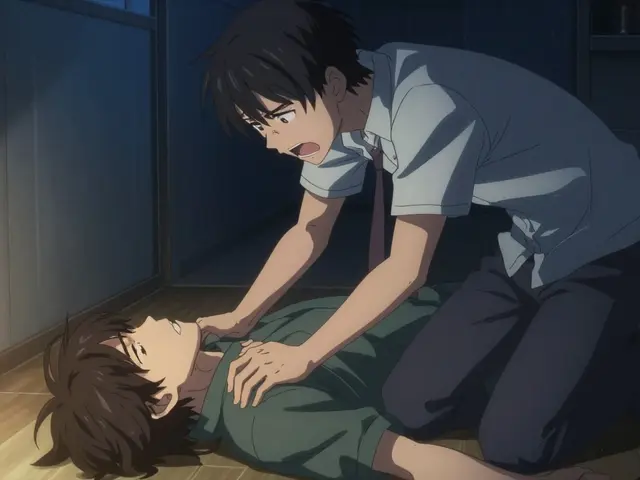
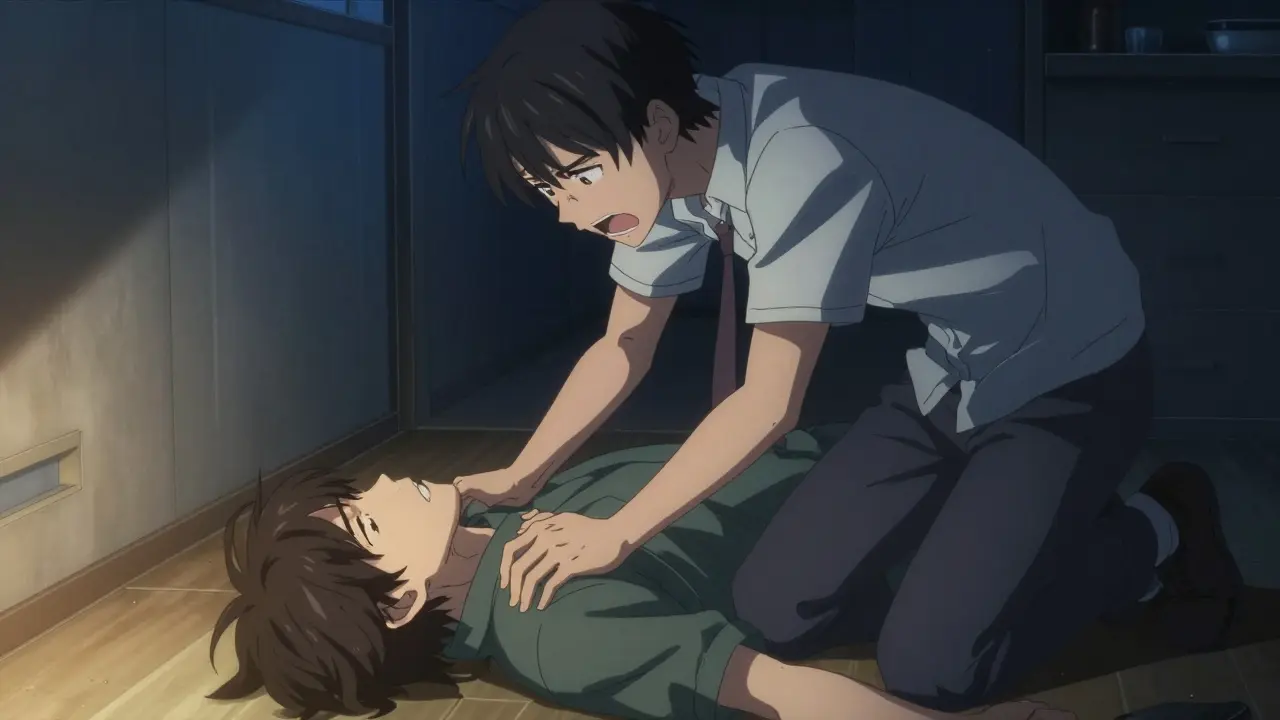
It happens in seconds. One moment someone is talking or laughing, and the next they are slumped over, unresponsive, and barely breathing. Panic sets in immediately. You might freeze, unsure if this is just deep sleep, a medical emergency, or something worse. In these critical minutes, your actions determine whether that person lives or dies. According to the Centers for Disease Control and Prevention (CDC), drug overdose deaths reached 107,622 in the United States in 2021 alone. That is not just a statistic; it represents real people who needed immediate bystander intervention. The good news? Immediate action by a layperson can reduce overdose mortality by up to 50%. You do not need to be a doctor to save a life. You just need to know the steps.
The First Step: Call for Professional Help Immediately
Your very first move must be to call emergency services. In the UK, dial 999. In the US, dial 911. Do not wait to see if the person wakes up. Do not try to "wake them up" with water or coffee. Do not delay calling because you are afraid of legal consequences. Most regions have Good Samaritan laws that protect bystanders who call for help in good faith during an overdose emergency. The Substance Abuse and Mental Health Services Administration (SAMHSA) emphasizes that calling EMS reduces mortality by 35% compared to waiting for spontaneous recovery. Time is brain tissue. Every minute without oxygen causes irreversible damage.
- Call 999/911 immediately.
- Stay on the line and follow dispatcher instructions.
- Tell the operator exactly where you are and what happened.
- If you have naloxone, tell them you have it and are administering it.
While you are on the phone, assess the situation quickly. Is the person responsive? Shake their shoulders firmly and shout, "Hey, can you hear me?" If there is no response, check for breathing. Look at their chest. Is it rising and falling? Listen for air moving in and out of their nose and mouth. Feel for breath on your cheek. This assessment should take less than 10 seconds. If they are not breathing, or only gasping occasionally, begin rescue breathing immediately.
Recognizing the Signs of an Overdose
Overdoses look different depending on the substance involved. Opioids, stimulants, and alcohol each affect the body in distinct ways. Knowing the difference helps you prioritize your response. For opioid overdoses, which account for nearly 75% of drug overdose deaths, the primary danger is respiratory depression. The person’s breathing slows down or stops entirely. Their lips and fingernails may turn blue or purple due to lack of oxygen. Their pupils might be pinpoint small, though note that fentanyl overdoses often present with normal-sized pupils, leading many to misdiagnose the situation.
Stimulant overdoses (from drugs like cocaine, methamphetamine, or MDMA) present differently. The person may be agitated, confused, or experiencing a seizure. Their body temperature could be dangerously high. They might complain of chest pain or heart palpitations. Unlike opioids, stimulant overdoses rarely stop breathing initially but can lead to cardiac arrest or stroke. Alcohol overdoses impair the gag reflex, making choking on vomit a major risk. If you suspect any type of overdose, treat it as a life-threatening emergency. When in doubt, assume it is an opioid overdose and administer naloxone if available.
| Substance Type | Key Symptoms | Primary Risk | Naloxone Effective? |
|---|---|---|---|
| Opioids (Heroin, Fentanyl, Oxycodone) | Slow/stopped breathing, pinpoint pupils (usually), blue lips/fingernails, unconsciousness | Respiratory failure | Yes |
| Stimulants (Cocaine, Meth, MDMA) | Agitation, high body temp, seizures, chest pain, rapid heart rate | Cardiac arrest, stroke, overheating | No |
| Alcohol | Confusion, vomiting, slow breathing, cold/clammy skin, unconsciousness | Choking on vomit, respiratory failure | No |
| Benzodiazepines (Xanax, Valium) | Drowsiness, confusion, slow breathing, lack of coordination | Respiratory depression (especially mixed with alcohol/opioids) | No |
Administering Naloxone Correctly
If you suspect an opioid overdose, administer Naloxone immediately. Naloxone is a medication that temporarily reverses the effects of opioids. It works by blocking opioid receptors in the brain, restoring normal breathing. It is safe to give even if you are wrong about the cause. If it is not an opioid overdose, nothing will happen. If it is, it could save a life. SAMHSA reports 93% effectiveness in reversing respiratory depression when administered promptly.
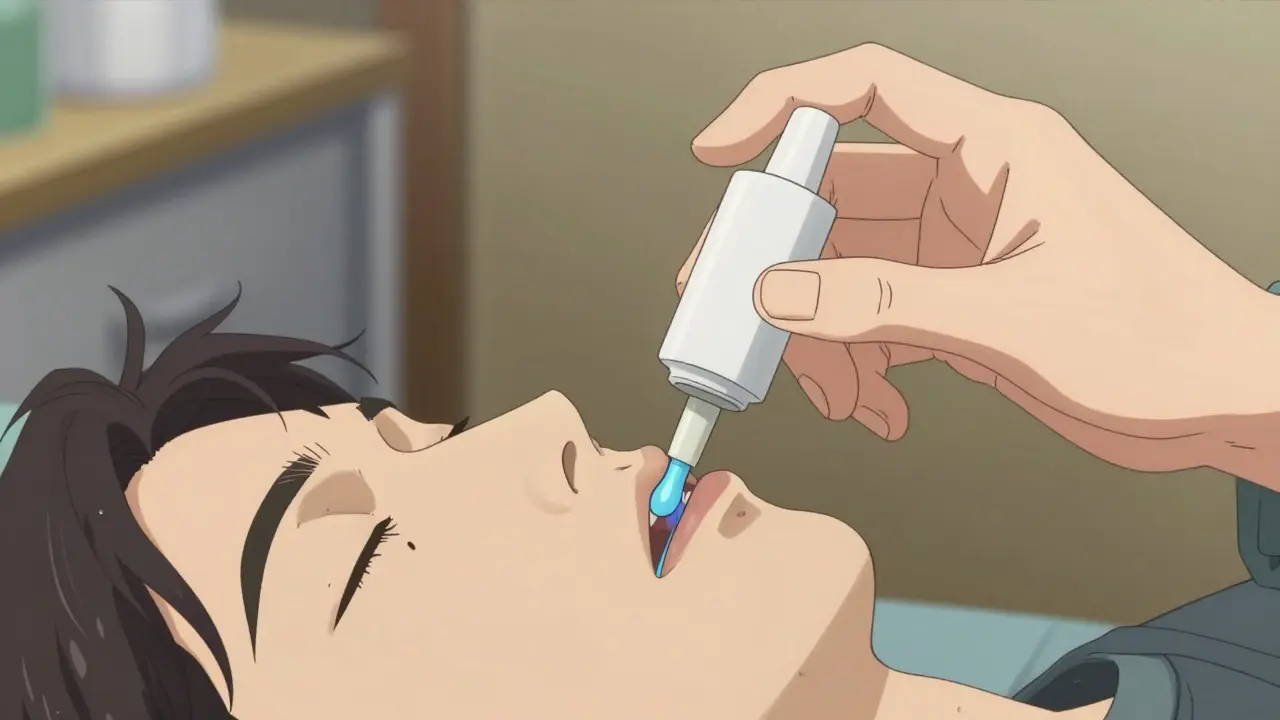
Most community naloxone kits come as a nasal spray. Here is how to use it:
- Position the person: Lay them flat on their back. Tilt their head back slightly to open the airway.
- Prepare the device: Remove the naloxone nasal spray from its packaging. Hold it upright with your thumb on the plunger and your index and middle fingers on either side of the nozzle.
- Clear the nostril: Gently clear any mucus from one nostril if possible.
- Insert and spray: Insert the tip into one nostril until your fingers touch the bottom of the person’s nose. Press down firmly on the plunger to release the dose. Remove the device.
- Wait and watch: Wait 2-3 minutes. If the person does not start breathing normally, administer a second dose in the other nostril.
Remember, naloxone wears off faster than many opioids. The person may slip back into overdose after 30-90 minutes. Continue monitoring them closely. If they become unresponsive again, repeat the dose. Always keep them under observation until paramedics arrive.
Placing in the Recovery Position
If the person is unconscious but breathing normally, place them in the recovery position. This prevents them from choking on vomit or their own tongue. The American Red Cross specifies precise techniques for this. Log roll the person toward you onto their left side. Bend the top leg at the hip and knee at 90-degree angles to stabilize them. Tilt their head back slightly to keep the airway open. This position allows fluids to drain from the mouth rather than entering the lungs.
Do not leave them face down. This restricts breathing and increases the risk of suffocation. Do not prop them up against a wall or couch unless they are conscious enough to maintain the position themselves. If they vomit while in the recovery position, gently wipe their mouth to keep the airway clear. Stay with them. Talk to them. Keep them calm. Monitor their breathing every 2-3 minutes.
Performing Rescue Breathing
If the person is not breathing or only gasping, begin rescue breathing. This is different from standard CPR. In an opioid overdose, the heart is usually still beating, but the lungs have stopped working. Chest compressions are generally not needed unless the person has gone into cardiac arrest (no pulse). Focus on getting oxygen into their lungs.
- Open the airway: Place one hand on the forehead and tilt the head back. Use two fingers of the other hand to lift the chin. This head-tilt/chin-lift maneuver opens the throat.
- Seal the mouth: Pinch the nose shut. Take a deep breath and seal your mouth tightly over theirs.
- Deliver breaths: Blow into their mouth for one second. Watch for chest rise. If the chest rises, the breath was effective. If not, adjust the head tilt and try again.
- Maintain rhythm: Give one breath every 5-6 seconds (10-12 breaths per minute). Continue until the person starts breathing on their own or EMS arrives.
This is physically demanding. Muscle fatigue is common. If you have a pocket mask or barrier device, use it to protect yourself from bodily fluids. If you cannot perform rescue breathing effectively, focus on keeping the airway open and monitoring for return of spontaneous breathing. Paramedics will take over advanced care upon arrival.
What NOT to Do During an Overdose
In the heat of the moment, well-intentioned mistakes can worsen the situation. Avoid these common errors:
- Do not give food or water: An unconscious person cannot swallow safely. Liquids will enter the lungs, causing aspiration pneumonia or drowning.
- Do not induce vomiting: This increases the risk of choking and aspiration. It also does not remove drugs already absorbed into the bloodstream.
- Do not use cold showers or ice baths for stimulant overdoses: Sudden extreme cooling can trigger dangerous heart rhythms (arrhythmias). Instead, use cool cloths and fans to gradually lower body temperature.
- Do not assume they are just sleeping: 28% of overdose deaths occur because bystanders mistakenly believe the person is asleep. Check responsiveness and breathing immediately.
- Do not leave them alone: Never walk away to get help or make a call. Stay with the person until professional help takes over.
These myths persist despite clear medical guidance. The International Liaison Committee on Resuscitation specifically advises against "shake and shout" methods that delay critical interventions. Seconds count. Act decisively based on evidence, not guesswork.
Aftercare and Legal Protection
Once the person stabilizes, the job isn’t done. Naloxone is temporary. They need hospital evaluation to ensure all drugs are cleared and to prevent relapse into overdose. Even if they seem fine, insist on medical transport. Withdrawal symptoms can begin rapidly once naloxone kicks in, causing agitation and distress. Reassure them calmly. Explain what happened. Support them emotionally.
Legally, you are protected in most jurisdictions. Good Samaritan laws shield bystanders from prosecution for minor drug possession offenses when they call for help during an overdose. In the UK, the Misuse of Drugs Act includes provisions for those seeking medical assistance. In the US, all 50 states have some form of overdose immunity law. Your priority is saving a life, not avoiding arrest. Medical privacy laws (HIPAA in the US, GDPR in Europe) also protect the patient’s information.
Consider carrying naloxone if you live in or visit areas with high overdose rates. Many pharmacies now sell it over-the-counter. Training programs are widely available online and through local health departments. The CDC recommends 4 hours of supervised practice to achieve proficiency, but even basic knowledge can make a difference. You don’t need to be perfect. You just need to act.
What should I do first if I think someone is overdosing?
Call emergency services (999 in the UK, 911 in the US) immediately. Then check if the person is responsive and breathing. If they are not breathing, begin rescue breathing. If you suspect an opioid overdose and have naloxone, administer it right away. Do not delay calling for help to administer naloxone.
Can naloxone harm someone if they haven't taken opioids?
No. Naloxone has no effect on people who have not taken opioids. It is safe to administer if you are unsure of the cause of unconsciousness. It will not hurt them, and if they did take opioids, it could save their life.
How long does naloxone last?
Naloxone typically lasts 30-90 minutes. Many opioids last longer than that. The person may stop breathing again after the naloxone wears off. You must monitor them continuously and be prepared to give another dose if necessary. Hospital care is essential for ongoing support.
Should I put an unconscious person in the recovery position?
Yes, if they are breathing normally but unconscious. The recovery position prevents choking on vomit. Roll them onto their side, bend the top leg, and tilt the head back slightly. Do not use this position if they are not breathing-begin rescue breathing instead.
Will I get in trouble for helping someone who overdosed?
In most places, no. Good Samaritan laws protect bystanders who call for medical help during an overdose. These laws vary by location but generally shield you from prosecution for minor drug offenses. Your duty is to preserve life. Contact local authorities or health organizations for specific legal guidance in your area.