

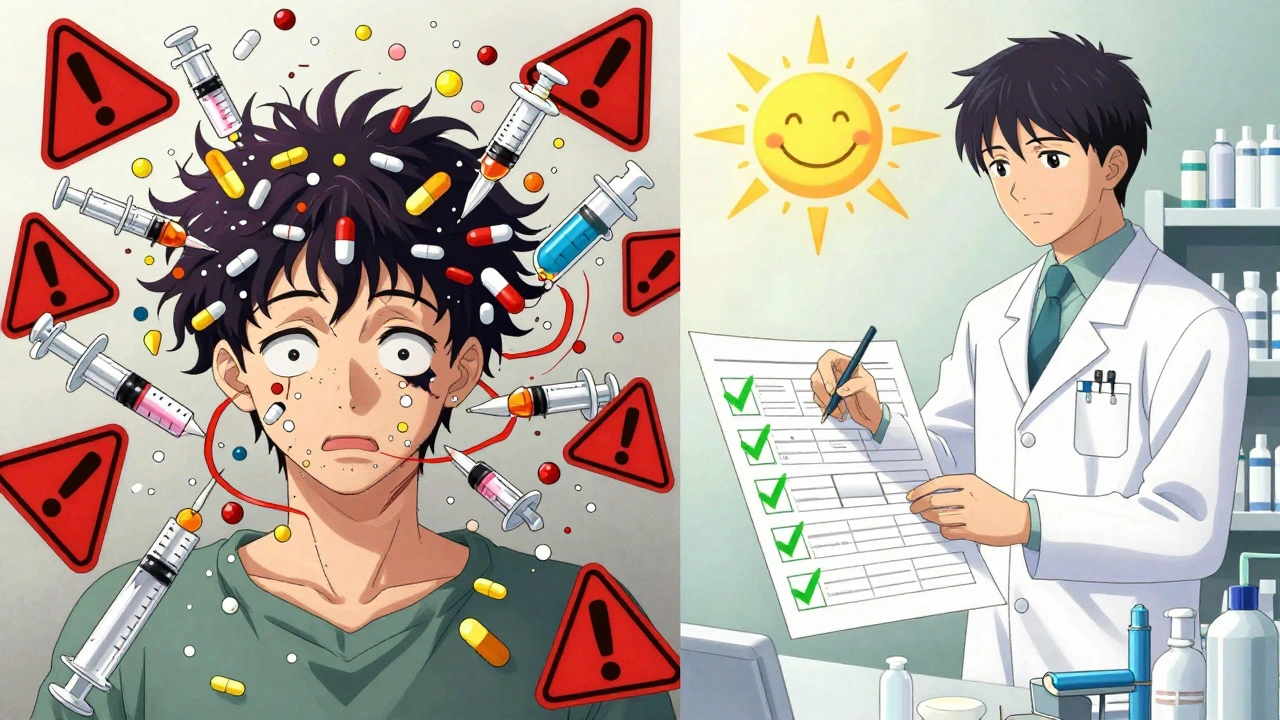
When you’re taking multiple medications for chronic conditions like diabetes, high blood pressure, or asthma, it’s easy to feel overwhelmed. What does each pill do? Are they safe together? Could one be making you feel tired or dizzy? You’re not alone. Many patients struggle with confusing medication schedules, side effects, and hidden costs. That’s where Medication Therapy Management (MTM) comes in - a free, personalized service designed to help you take your meds safely and effectively.
What Exactly Is Medication Therapy Management?
MTM isn’t just a refill reminder or a quick chat at the pharmacy counter. It’s a full review of every medication you take - prescription, over-the-counter, vitamins, and supplements - done by a licensed pharmacist. The goal? To make sure your meds work together the way they should, without causing harm or wasting money.
This service is built into Medicare Part D prescription drug plans, meaning if you qualify, it’s offered at no extra cost. The U.S. government requires all Part D plans to offer MTM because research shows it reduces hospital visits, cuts down on dangerous drug interactions, and helps people stick to their treatment plans.
Who Qualifies for MTM Services?
You don’t have to ask for MTM - if you’re eligible, your plan will contact you. To qualify under Medicare Part D in 2025, you must meet all three of these criteria:
- You have three or more chronic conditions - like heart disease, diabetes, COPD, depression, or kidney disease.
- You’re taking eight or more Medicare Part D medications (this includes maintenance drugs, not just occasional ones).
- Your total annual drug costs exceed $4,430 (this number adjusts slightly each year based on inflation).
Even if you don’t meet all these exact numbers, some plans may still invite you based on their own criteria. If you’re unsure, call your pharmacy or Medicare plan directly. You can also ask if you’re eligible - there’s no penalty for asking.
What Happens During a Comprehensive Medication Review?
The heart of MTM is the Comprehensive Medication Review (CMR). This is a one-on-one session - either in person, over the phone, or via video - with a pharmacist who specializes in medication management. It usually lasts 30 to 60 minutes.
During the review, the pharmacist will:
- Go over every single medication you take, including what it’s for and how often you take it.
- Check for possible drug interactions - for example, if one medicine makes another less effective or causes dangerous side effects.
- Look for duplicate prescriptions - like taking two different pills that do the same thing.
- Identify medications you might not even need anymore.
- Discuss cheaper alternatives if you’re paying too much.
- Help you understand how to take your meds correctly - timing, food interactions, what to do if you miss a dose.
You’ll walk away with two key documents:
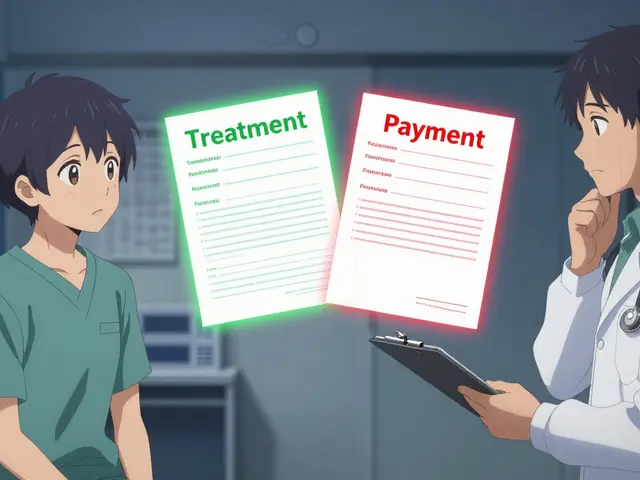
- A Personal Medication Record - a simple, updated list of everything you take, written in plain language.
- A To-Do List - action steps like ‘call your doctor about dizziness,’ ‘switch to generic version,’ or ‘start using a pill organizer.’
What About Follow-Ups?
MTM isn’t a one-time event. After your initial review, you’ll get Targeted Medication Reviews (TMRs) every few months. These are shorter check-ins focused on specific issues - like a new prescription, a side effect you’re having, or a change in your health.
For example, if you start a new blood pressure med and feel lightheaded, your pharmacist might call you within a week to adjust the timing or dose. Or if you’re struggling to afford a medication, they can help you find patient assistance programs or lower-cost options.
These follow-ups are proactive. You don’t have to wait until you’re sick or confused - the pharmacist reaches out to make sure you’re staying on track.
How Is MTM Different From Talking to Your Doctor or Pharmacist Normally?
Your doctor doesn’t have time to review all your meds in detail during a 15-minute appointment. Your regular pharmacist fills your prescriptions but might not know about every medication you take from other pharmacies.
MTM fills that gap. The MTM pharmacist has access to your full medication history from all providers and pharmacies. They’re trained to spot problems others might miss - like a drug that’s no longer needed, or a supplement that’s interfering with your heart medicine.
They also work directly with your doctors. If they find an issue, they can send a recommendation to your prescriber - no need for you to chase down paperwork.
Real Benefits People Experience
Patients who use MTM report real changes:
- They feel more confident taking their meds and understand why each one matters.
- They notice fewer side effects after adjustments are made.
- They save money - sometimes hundreds of dollars a year - by switching to generics or eliminating unnecessary drugs.
- They’re less likely to end up in the hospital because of medication errors.
One woman in Ohio, taking 12 medications for diabetes, high blood pressure, and arthritis, found out through MTM that two of her pills were doing the same thing. She stopped one, saved $180 a month, and felt less dizzy. Another man in Florida discovered his sleep aid was making his prostate symptoms worse - his pharmacist helped him switch to a safer option.
What If You Can’t Talk to the Pharmacist Yourself?
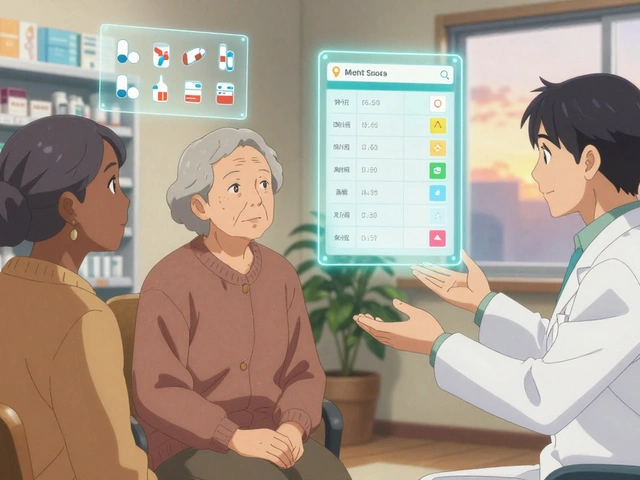
If you have trouble remembering details, have hearing or vision issues, or need help speaking up, you can bring a family member, caregiver, or friend to the appointment. The rules allow a trusted person to participate on your behalf - even if you’re not there in person. Just let the pharmacy know ahead of time who will be joining.
Some plans even offer home visits or telehealth sessions for people with mobility issues. Ask your plan what options are available.

Is MTM Worth It?
If you’re taking multiple medications and managing chronic conditions, yes - it’s not just worth it, it’s essential. MTM isn’t a luxury. It’s a safety net. It’s the difference between guessing what your meds do and knowing exactly how they help you.
And since it’s free, there’s no reason not to take advantage. Even if you think you’re doing fine, a pharmacist might spot something you’ve overlooked - like a drug that’s no longer needed, or a cheaper version you didn’t know about.
How to Get Started
You don’t need to apply or fill out forms. If you qualify, your Medicare Part D plan will send you a letter or call you. But if you haven’t heard anything by the end of the year, take action:
- Call your pharmacy and ask if you’re eligible for MTM.
- Check your Medicare plan’s website - look for ‘Medication Therapy Management’ under benefits.
- Call your plan’s member services number (it’s on your card) and ask: ‘Am I eligible for MTM?’
- Ask if they can schedule your Comprehensive Medication Review.
Don’t wait for them to find you - reach out. The sooner you start, the sooner you’ll feel in control of your health.
What If Your Plan Doesn’t Offer MTM?
All Medicare Part D plans are required to offer MTM. If you’re eligible and haven’t been contacted, your plan isn’t following the rules. File a complaint with Medicare by calling 1-800-MEDICARE (1-800-633-4227) or visiting medicare.gov.
Some private insurers and state Medicaid programs (like TennCare in Tennessee) also offer MTM. If you’re not on Medicare, ask your pharmacy or doctor if they offer similar services - many now do.
Is Medication Therapy Management the same as a regular pharmacy consultation?
No. A regular consultation might answer one question, like ‘Can I take this with my other meds?’ MTM is a full, structured review of all your medications - including over-the-counter drugs and supplements - done by a specialist. It includes a written Personal Medication Record and a follow-up plan, and it’s required by law for Medicare Part D plans if you qualify.
Do I have to pay for MTM services?
No. MTM is offered at no extra cost to eligible Medicare Part D beneficiaries. It’s part of your prescription drug plan benefits. If someone tries to charge you for MTM, report it to Medicare.
Can I get MTM if I’m not on Medicare?
Yes - but not automatically. Some private insurance plans, Medicaid programs (like TennCare), and even some employer health plans now offer similar services. Ask your pharmacist or doctor if they provide medication therapy management or a similar program. Even if it’s not covered, many pharmacies offer free medication reviews as a community service.
What if I don’t have a primary care doctor?
You still qualify for MTM. The pharmacist will review your meds and, if needed, send recommendations to any provider who’s treating you - even if it’s a specialist or urgent care clinic. You don’t need a primary care doctor to get help.
How often will I meet with the pharmacist?
You’ll get at least one Comprehensive Medication Review per year. After that, you’ll usually get quarterly Targeted Medication Reviews if there are changes to your meds, new side effects, or if your plan identifies a risk. You can also request a review anytime you have concerns.
Next Steps
If you’re taking multiple medications and managing chronic health issues, don’t wait. Call your pharmacy or Medicare plan today and ask: ‘Am I eligible for Medication Therapy Management?’
Bring your pill bottles or a list of everything you take - including vitamins and herbal supplements - to your review. Write down your questions ahead of time: ‘Why am I taking this?’ ‘Is there a cheaper version?’ ‘Could this be causing my headaches?’
MTM isn’t about fixing what’s broken. It’s about keeping you healthy, safe, and in control - one pill at a time.





alaa ismail
December 2, 2025 AT 14:43Man, I had no idea this was free. My grandma’s on like 10 meds and she’s always confused as hell. I’m gonna call her pharmacy this week and get her signed up. She’s been dropping pills everywhere and forgetting which ones are for what. This could actually save her life.
ruiqing Jane
December 4, 2025 AT 12:29This is exactly the kind of systemic support that should be standard, not an exception. Too many elderly patients are left to navigate complex pharmacological regimens alone-without training, without support, without dignity. MTM isn’t just a service; it’s a moral imperative in healthcare design. Thank you for highlighting this.
Paul Santos
December 4, 2025 AT 20:18MTM? Sounds like a buzzword salad wrapped in bureaucratic fluff 😅. But honestly? If it stops people from mixing ibuprofen with warfarin like they’re making a smoothie, then fine. I’ll give it a pass. Still, why does it take a federal mandate to make pharmacists do their damn job?
Eddy Kimani
December 6, 2025 AT 11:53Interesting that the CMR includes OTCs and supplements-most providers overlook that. Pharmacists are uniquely positioned to catch polypharmacy red flags, especially with CYP450 interactions. I’ve seen patients on statins + grapefruit juice + St. John’s wort and wonder how they’re still alive. MTM formalizes what should be baseline care.
Saurabh Tiwari
December 7, 2025 AT 14:33bro this is fire 🙌 i been taking 3 pills for blood pressure and one for sleep and one for anxiety and one for knee pain and i thought i was fine until i read this now im gonna ask my pharmacist if i qualify 😅
Michael Campbell
December 8, 2025 AT 01:07Free? Yeah right. They’re just trying to get you hooked on more pills. Next thing you know, they’ll push you onto a new med just to justify the ‘review.’ Trust me, Big Pharma loves this stuff. They don’t want you healthy-they want you medicated.
Victoria Graci
December 9, 2025 AT 06:52It’s funny how we treat medicine like a magic spell-take this, don’t ask why, hope it works. MTM flips that script. It turns pharmacists from pill-dispensers into storytellers of your body’s quiet negotiations. That Personal Medication Record? That’s your body’s autobiography, written in plain language. And for once, you’re not the footnote.
Saravanan Sathyanandha
December 10, 2025 AT 16:37In India, we rarely have access to such structured services, but I’ve seen community pharmacists in Delhi and Bangalore offering informal medication reviews for free-especially for elderly patients. This model should be global. Healthcare should not be a privilege of zip codes or insurance tiers. MTM is a beacon of equitable care.
Fern Marder
December 11, 2025 AT 17:05OMG I just realized my uncle’s been taking two different blood pressure pills that do the same thing. He’s been paying $200/month for nothing. I’m sending him this right now. 🙏
Carolyn Woodard
December 13, 2025 AT 16:57I appreciate the thorough breakdown, but I wonder how many patients actually get scheduled for the CMR. My mother was eligible for two years and never got a call. The system assumes compliance, but for those without tech access or advocacy, it’s invisible. MTM is brilliant in theory-execution is the real test.