
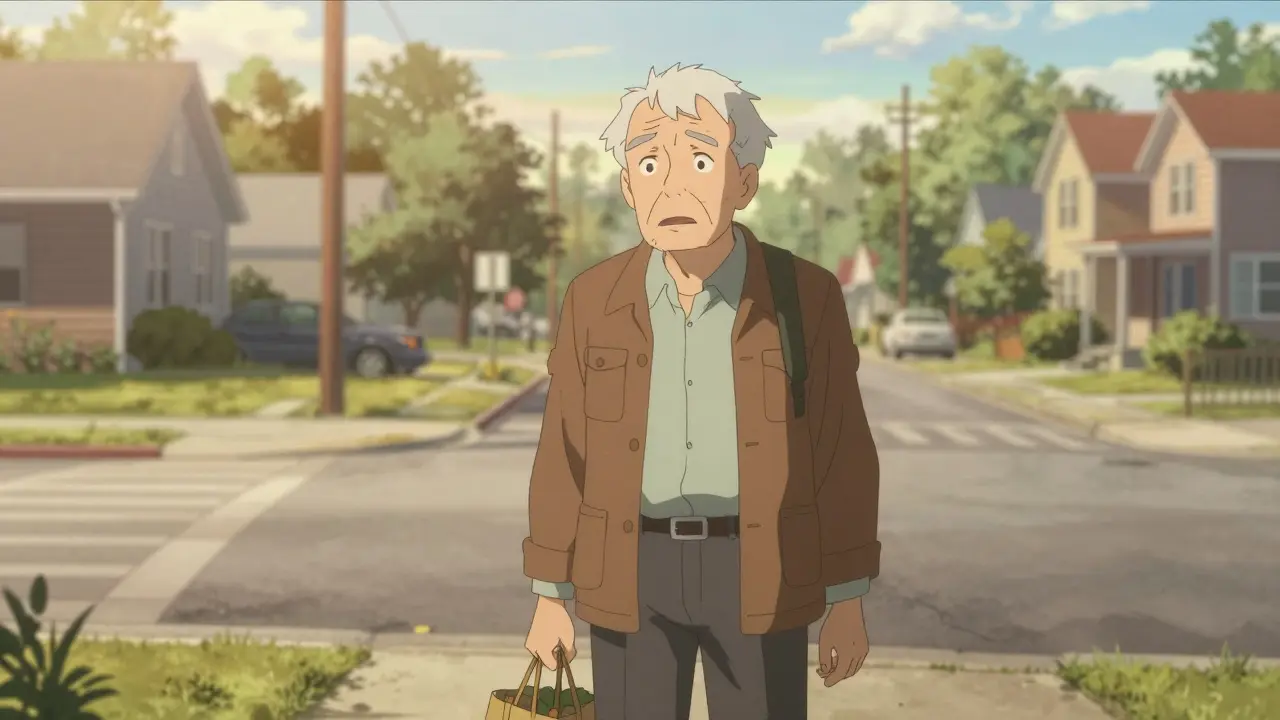
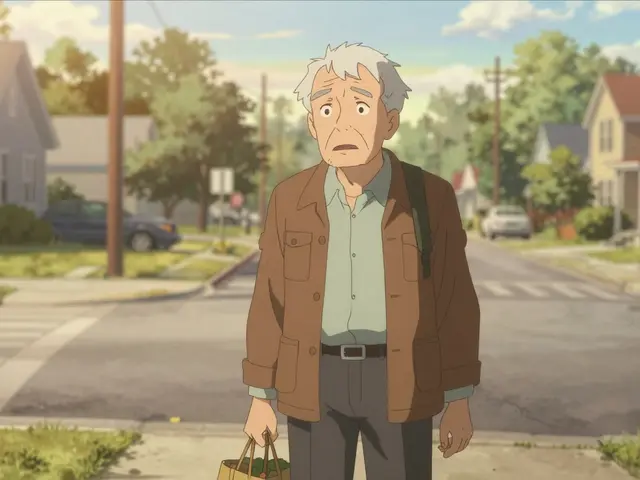
Imagine waking up and realizing that the faces of your children feel like a puzzle you can't quite solve, or that the way back home from the grocery store-a trip you've made for twenty years-suddenly feels like a foreign city. For millions, this isn't a nightmare; it's the reality of Alzheimer’s Disease is a progressive neurodegenerative disorder and the most common cause of dementia, accounting for 60-80% of cases worldwide. It doesn't just "wipe away" memories; it physically dismantles the brain's communication network, making the simplest tasks feel like climbing a mountain.
The road from the first forgotten key to total dependency is long and often confusing. While we can't stop it entirely yet, the landscape of care has shifted dramatically. We've moved from simply managing symptoms to using "disease-modifying" drugs that actually target the biological gunk in the brain. But with these breakthroughs comes a new set of hurdles: high costs, intense monitoring, and the emotional toll on families. Whether you're a caregiver or someone noticing early slips in memory, understanding how this disease evolves is the first step in reclaiming some control.
The Biological Glitch: What's Actually Happening?
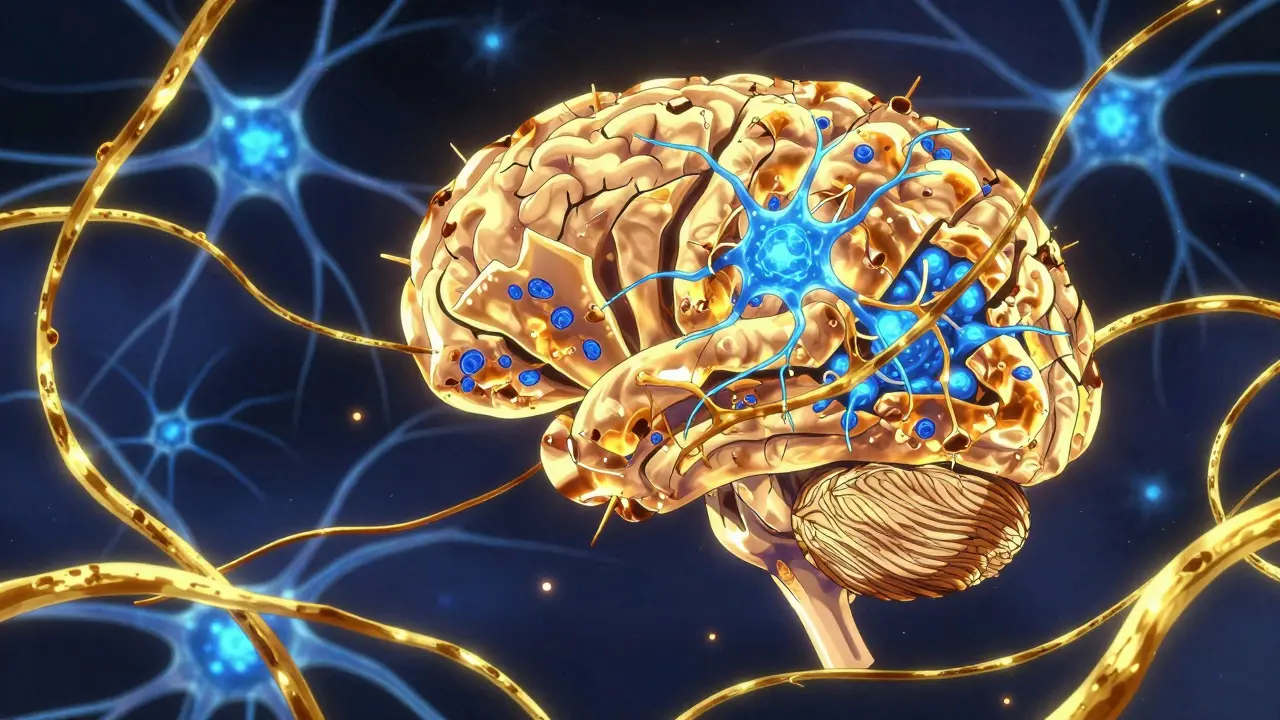
Alzheimer's isn't just "getting old." It's a biological failure. Back in 1906, Dr. Alois Alzheimer discovered that the brains of patients had abnormal clumps. We now know these as beta-amyloid plaques, which are protein fragments that build up between neurons, blocking the signals they send to each other. Think of them like roadblocks on a highway.
Inside the neurons, another problem occurs: tau protein tangles. These are twisted fibers that destroy the cell's transport system, effectively starving the neuron from the inside out. This damage hits the hippocampus first-the brain's "save button" for new memories-which is why forgetting what you had for breakfast is often the first red flag.
While anyone over 65 is at risk, some of us have a genetic head start. If you carry the APOE-e4 allele, your risk can jump 3 to 15 times higher. However, genes aren't destiny. About 90% of cases are late-onset, meaning lifestyle and environment play a massive role in when or if the disease starts.
Tracking the Decline: The 7 Stages of Progression
Alzheimer's doesn't hit all at once. It's a slow slide that usually follows a predictable pattern. Most people are diagnosed in the early stages, but the journey typically spans seven levels:
- Stage 1 (No Impairment): You feel fine, but the biological plaques are already forming.
- Stage 2 (Very Mild): Minor lapses, like forgetting where the car is parked.
- Stage 3 (Mild): Difficulty with complex tasks, like balancing a checkbook or planning a meal. This is where 61% of diagnosed patients currently sit.
- Stage 4 (Moderate): Confusion becomes frequent. You might forget your address or struggle to pick out clothes appropriate for the weather.
- Stage 5 (Moderately Severe): You need help with daily activities. Personality changes, like sudden irritability or anxiety, become common.
- Stage 6 (Severe): Communication breaks down. You might recognize a spouse but forget their name.
- Stage 7 (Very Severe): Total dependency. The ability to speak or walk is often lost.
The average life expectancy after diagnosis is 4 to 8 years, but some people live up to 20 years. The goal of modern medicine isn't just to extend that time, but to keep the "quality" of those years as high as possible.
Modern Treatments: From Symptom Relief to Brain Cleaning
For decades, we only had drugs that "masked" the problem. We still use them, but they aren't the whole story. There are two old-school categories: cholinesterase inhibitors (like donepezil), which boost a brain chemical called acetylcholine, and NMDA receptor antagonists (like memantine), which regulate glutamate. These can stabilize cognitive function for about 3 to 6 months in some patients, but they don't stop the disease.
The real game-changer is the new wave of monoclonal antibodies. These are designed to act like a cleanup crew, removing those amyloid plaques from the brain. The most notable is lecanemab (branded as Leqembi), which was fully approved in early 2025. In clinical trials, it slowed cognitive decline by about 27% over 18 months. Then there's donanemab, which showed a 35% slowing of decline.
| Medication | Type | Primary Goal | Main Risk/Side Effect |
|---|---|---|---|
| Donepezil | Cholinesterase Inhibitor | Symptom stabilization | Nausea, sleep issues |
| Memantine | NMDA Antagonist | Slow symptom progression | Dizziness, headache |
| Lecanemab | Monoclonal Antibody | Remove amyloid plaques | ARIA (Brain swelling/bleeding) |
| Donanemab | Monoclonal Antibody | Remove amyloid plaques | Higher ARIA risk (24%) |
But these "cleaning" drugs come with a scary side effect called ARIA (Amyloid-Related Imaging Abnormalities). It's essentially swelling or tiny bleeds in the brain. Because of this, patients on lecanemab or donanemab need monthly MRI scans to make sure their brain isn't reacting poorly to the drug. For a family already struggling, adding biweekly infusions and constant hospital trips can be overwhelming.
Beyond the Pill: Lifestyle and Early Detection
Drugs aren't the only answer. Research from the FINGER study suggests that a "multidomain" approach-combining a healthy diet, regular exercise, and cognitive training-can reduce cognitive decline by 25% over two years. Even cognitive stimulation therapy (CST) has shown a measurable improvement in mental function. It turns out that keeping the brain active is just as important as the chemistry.
The biggest challenge right now is time. There's usually an 18-month delay between the first symptom and a proper diagnosis. By the time most people get to a neurologist, the brain damage is already extensive. However, we're seeing a shift toward blood-based biomarkers. New tests, like the PrecivityAD2, can now match the accuracy of expensive PET scans, potentially dropping the cost of a screen from $5,000 to just $500.
Early intervention is everything. Doctors now believe that treating someone in the "preclinical" stage-before they even show severe dementia-can be 2 to 3 times more effective than waiting until the disease is advanced. This is why managing midlife risks like hypertension, obesity, and even hearing loss is critical; these factors contribute to nearly 40% of dementia cases.
The Caregiver's Burden: The Unseen Struggle
We can't talk about Alzheimer's without talking about the people holding the hand of the patient. Caregiving isn't just "helping out"; it's a grueling full-time job. About 85% of caregivers experience significant emotional stress, and 40% struggle with depression. Many are forced to cut their work hours, leading to an average annual income loss of over $18,000.
The frustration often stems from the gap between clinical hope and real-world access. Many families find that insurance denies the very PET scans needed to qualify for new drugs. Even when the drugs are approved, finding a certified treatment center is hard, as 78% are concentrated in urban areas, leaving rural families in the lurch.
Can Alzheimer's ever be cured?
Currently, there is no cure that can completely reverse the disease. However, disease-modifying therapies like lecanemab can slow the progression, giving patients more time in the milder stages of the disease.
What is ARIA and why is it dangerous?
ARIA stands for Amyloid-Related Imaging Abnormalities. It occurs when the brain's blood vessels leak or the brain swells in response to plaque-removing drugs. While often asymptomatic, it can cause serious neurological issues, requiring regular MRI monitoring.
How do I know if memory loss is normal aging or Alzheimer's?
Normal aging might mean forgetting a name but remembering it later. Alzheimer's usually involves forgetting the *meaning* of a word or getting lost in a familiar place. If memory loss interferes with daily activities, see a doctor immediately.
Are there any oral alternatives to the infusion drugs?
Yes, drugs like ALZ-801 are in advanced trials as oral prodrugs. Some have shown an 81% reduction in decline for specific genetic groups (APOE4 homozygotes), though they are not yet as widely available as the infusions.
What is the best way to support someone in the late stages?
At Stage 6 or 7, focus shifts from cognitive recovery to comfort. Prioritize sensory engagement (like music or touch), maintain a strict routine to reduce anxiety, and ensure a safe environment to prevent falls.
What to Do Next
If you're noticing changes in yourself or a loved one, don't wait. Start by documenting specific examples of memory loss-dates, times, and what exactly was forgotten. This data is gold for a neurologist.
For those already in the thick of it, look for early-stage support groups. Connecting with others who understand the specific grief of "the long goodbye" is often more therapeutic than any medication. If you're overwhelmed, the Alzheimer's Association 24/7 Helpline is a great starting point for finding local resources and navigating insurance hurdles.




Jon Moss
April 26, 2026 AT 07:54It is just heartbreaking to think about that slow fade of a person's identity. The part about the long goodbye really hits home.
Daniel Runion
April 27, 2026 AT 11:57Ridiculous!!! A 27% slowing of decline is practically NOTHING in the real world!!! Why are we acting like this is some kind of miracle cure when it's clearly just a pharmaceutical cash grab!!! Absolutely pathetic!!!
Majestic Blue Band
April 28, 2026 AT 04:34It is quite fascinating how we are suddenly pushed toward these monoclonal antibodies just as the government is tightening its grip on healthcare, and frankly, I find it highly suspicious that we are told to trust MRI scans and biweekly infusions when these very same corporate entities are likely hiding more natural, effective cures that would simply destroy their profit margins because, let's be honest, who actually benefits from a cure when a lifelong, expensive treatment plan is far more lucrative for the board of directors and their shadowy associates who operate behind the scenes of these global health initiatives.
Edwin Perez
April 29, 2026 AT 05:25Follow the money. These new drugs are just another way to keep people dependent on the system while ignoring the real causes of brain fog.
Beena Garud
April 29, 2026 AT 14:58One must contemplate the profound tragedy of the human condition when the very essence of our existence-our memories-is eroded by biological failure. It is a reminder that our consciousness is precariously tied to the physical integrity of the brain, and the pursuit of preservation is a testament to the enduring human spirit.
Hayley Redemption
April 29, 2026 AT 16:32The analysis here is surface-level at best. Only a dilettante would overlook the systemic failures of the healthcare infrastructure that make these treatments inaccessible to the masses. The juxtaposition of high-cost biomarkers and rural neglect is a textbook example of institutional incompetence.
William Zhigaylo
April 30, 2026 AT 09:49The utter incompetence of insurance providers in denying PET scans is an absolute travesty. It is an affront to the dignity of the patient and an insult to the medical profession. How can any civilized society allow such systemic negligence to persist while families are forced into financial ruin to afford a basic diagnostic tool? This is not merely an oversight; it is a calculated cruelty that prioritizes profit over human life. The emotional wreckage left in the wake of these denials is an unbearable burden that the corporate world ignores with a sickening level of indifference. It is a moral failure of the highest order, and those responsible should be held accountable for the suffering they perpetuate through their bureaucratic indifference and greed.
Andre Ojakäär
May 1, 2026 AT 03:41you guys are missing the point lol the real win is the blood tests... who cares about infusions if we can screen everyone for 500 bucks that is the real game changer right there
Eric Mwiti
May 1, 2026 AT 12:12Oh sure, because a 35% slowing of decline is definitely going to make the transition to Stage 7 a walk in the park. Truly revolutionary stuff.
Anand Mehra
May 2, 2026 AT 03:42science is just a slow dance with death
treatment is a placebo for the soul
Kristen O'Neal
May 2, 2026 AT 23:10I really appreciate the focus on the FINGER study and lifestyle changes! It feels so empowering to know that exercise and diet can actually make a 25% difference. We should be pushing for more community-based cognitive training centers to help those who can't afford the fancy drugs!
Michael Chukwuma
May 3, 2026 AT 22:35That's a great point about the community centers. It would really take the pressure off the individual caregivers if there were more local resources.
suresh kumar
May 5, 2026 AT 11:45My uncle had these shakes and forgot his own pants! Total circus in the house! These pills are like magic beans but the price is a total robbery of the pocket!
Karyn Tindall
May 5, 2026 AT 20:08The thought of a spouse forgetting a name but still recognizing the person is just heart-wrenching. It's a fragile kind of love that requires so much strength to maintain.