
Generic Equivalence: What It Really Means for Your Medications
When you hear generic equivalence, the legal and scientific standard that says a generic drug works just like its brand-name version. Also known as therapeutic equivalence, it’s not marketing speak—it’s a strict FDA requirement that keeps your prescriptions safe and affordable. This isn’t about cutting corners. It’s about making sure the active ingredient in a generic pill delivers the same effect, in the same amount, at the same speed as the brand. The FDA doesn’t just approve generics because they’re cheaper—they test them. A lot. Bioequivalence studies compare how your body absorbs the drug. If the generic doesn’t match the brand within tight limits—usually within 80% to 125% of the same blood levels—it doesn’t get approved.
But here’s what most people don’t realize: generic drugs, medications with the same active ingredient as brand-name drugs but sold under a different name. Also known as non-brand medications, they are often made in the same factories as the brand. The difference? No fancy packaging, no big ad campaigns, and no patent fees. That’s why they cost 80% less. But not all generics are created equal. Some have different inactive ingredients—fillers, dyes, coatings—which can matter if you’re allergic or have a sensitive stomach. That’s why your doctor might write "do not substitute" on your prescription. It’s not always about effectiveness—it’s about consistency. If you’ve been on a brand for years and your body reacts to a specific filler, switching could cause side effects, even if the active ingredient is identical.
FDA approval, the official process that confirms a drug is safe, effective, and meets quality standards is the backbone of generic equivalence. The FDA doesn’t require new clinical trials for generics. Instead, they rely on data from the original brand and their own bioequivalence testing. But here’s the catch: the FDA doesn’t monitor every batch of every generic. They inspect facilities, but supply chain issues, manufacturing errors, or overseas production delays can still slip through. That’s why serious adverse events from generics are underreported—many patients don’t know which version they got, and pharmacists aren’t always required to tell you. If you notice a change in how your medicine works after a refill, it might not be in your head. It could be a different generic manufacturer.
And then there’s drug substitution, when a pharmacist swaps a brand-name drug for a generic without asking the doctor. Also known as automatic substitution, it’s legal in most states unless the doctor says "do not substitute". But that doesn’t mean it’s always smooth. Some drugs have narrow therapeutic windows—tiny differences in dosage can cause big problems. Think thyroid meds, seizure drugs, or blood thinners. For these, even small variations in absorption can throw off your whole treatment. That’s why switching isn’t just a cost-saving trick—it’s a medical decision. You deserve to know what’s in your pill, and when it’s safe to switch.
What you’ll find below are real stories from people who switched and felt different. From heart meds to antidepressants, from silent side effects to sudden flare-ups. We’ll show you which drugs are safest to swap, which ones need caution, and how to ask the right questions so you’re never left guessing. This isn’t about fear—it’s about control. Your health shouldn’t depend on which pharmacy you walk into or which batch they happen to have in stock.
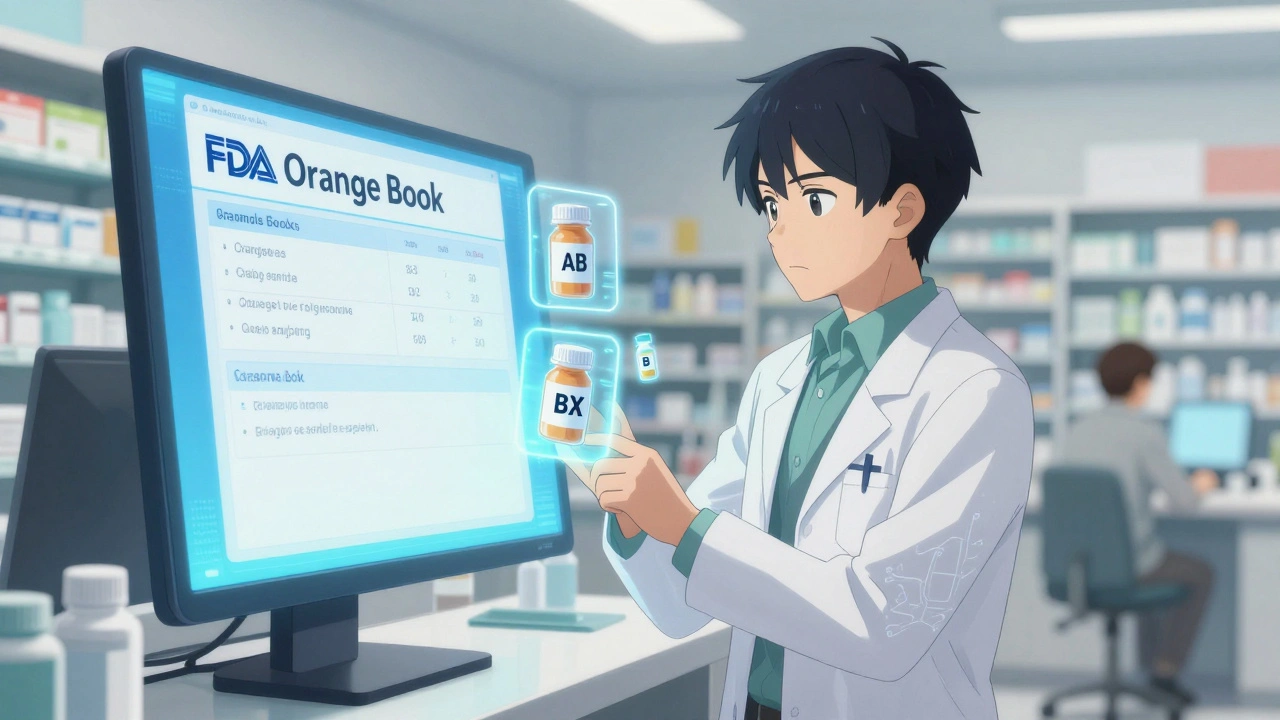
Learn how to use the FDA Orange Book to verify if a generic drug is therapeutically equivalent to its brand-name counterpart. Understand TE codes, RLDs, and common mistakes pharmacists make when substituting medications.
Recent-posts
Nov, 13 2025
Feb, 26 2026

Aug, 13 2025
Nov, 19 2025

Jan, 25 2026
Categories
Tags
- online pharmacy
- generic drugs
- side effects
- drug interactions
- online pharmacy UK
- drug safety
- opioid side effects
- medication timing
- pill organizer
- Tadalafil
- arthritis medication
- buy medication online
- prescription medication
- quit smoking
- motion sickness
- Sildenafil
- Vardenafil
- ED medication alternatives
- biologics
- medication safety