
FDA Reporting: What Patients and Clinicians Need to Know
When you take a medication and something goes wrong—whether it’s a rash, dizziness, or something more serious—FDA reporting, the official system used by the U.S. Food and Drug Administration to collect information on adverse events from drugs, vaccines, and medical devices. Also known as MedWatch, it’s the backbone of how unsafe drugs get pulled from shelves or get stronger warning labels. This isn’t just paperwork for doctors. It’s your voice in keeping medicines safe for everyone.
FDA reporting doesn’t just track rare side effects. It catches patterns you won’t see in clinical trials. For example, when dozens of people report sudden liver damage after taking a new cholesterol drug, the FDA doesn’t wait for a major study—they act. That’s how drugs like fenfluramine and certain weight-loss pills got pulled. And it’s how warnings got added to opioids, ADHD meds, and even common antibiotics. The system works because real people report what happens after they take the pill. You don’t need to be a doctor. You just need to notice something off and speak up.
Related systems like medication recalls, official actions taken when a drug is found to be contaminated, mislabeled, or unsafe. Also known as drug recalls, these are often triggered by reports submitted through FDA reporting. If a batch of metformin is found to contain a cancer-causing chemical, or if a heart medication turns out to have the wrong dosage in some pills, the FDA uses those reports to launch recalls. FDA alerts, public notices about new safety risks or urgent changes in how a drug should be used. Also known as drug safety communications, these alerts often come out within days of enough reports coming in. These aren’t scare tactics—they’re updates. And they’re why you should always check the FDA website if you hear about a drug problem in the news.
Patients aren’t the only ones who report. Pharmacists, nurses, and doctors file thousands of reports every year. But patient reports are the most powerful because they show what happens in real life—not in a controlled trial. If your blood pressure drops after starting a new combo pill, or your mood swings after switching generics, that’s data the FDA needs. You don’t need to prove it’s the drug. You just need to report it. Even if you’re not sure. Even if it seems small.
There’s no waiting for a crisis. If you’ve had a bad reaction, even once, report it. It takes five minutes on the FDA website. And if you’re a clinician, you’re not just treating one patient—you’re helping protect thousands. That’s the real power of FDA reporting. It turns individual experiences into collective safety.
Below, you’ll find real stories and guides about drug safety, recalls, and what to do when something doesn’t feel right with your meds. These aren’t theoretical. They’re based on actual reports, real warnings, and the kind of details that save lives.
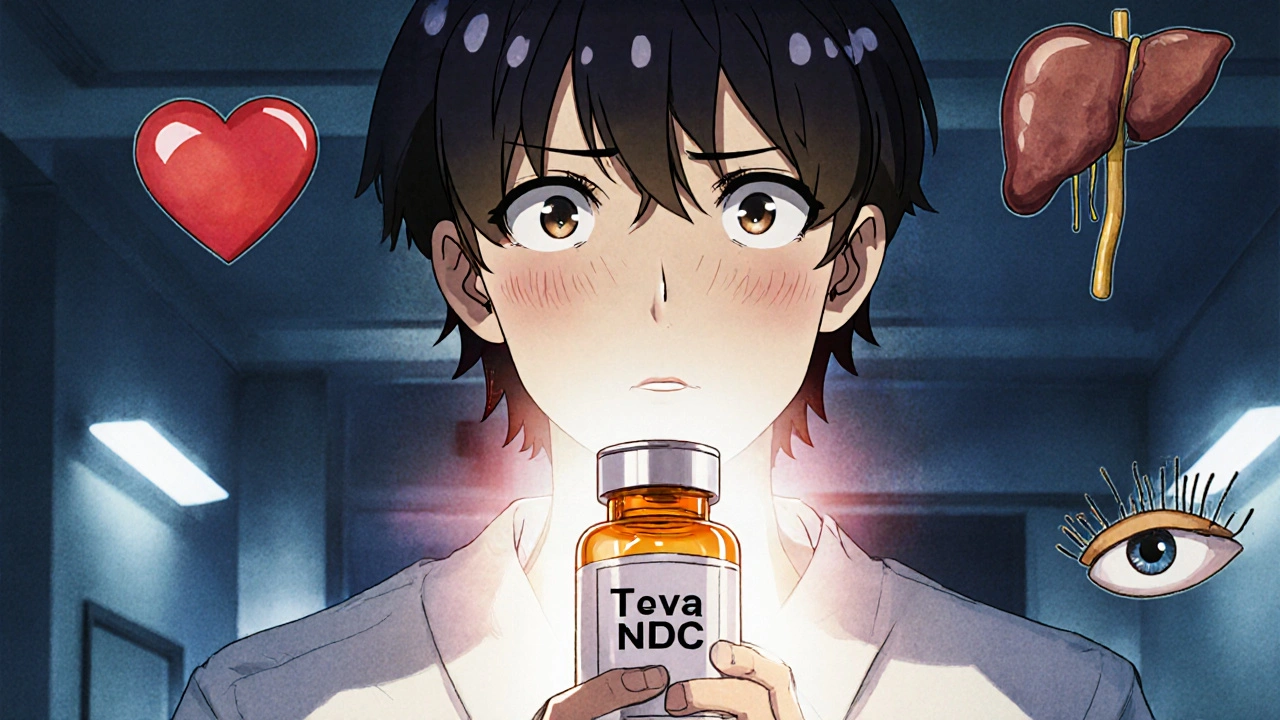
Serious adverse events from generic drugs are underreported due to unclear manufacturer identification and systemic gaps. Learn how to report correctly, why it matters, and what’s being done to fix the system.
Recent-posts
Dec, 12 2025
Nov, 22 2025

Oct, 5 2025

Jan, 20 2026
Jan, 13 2026
Categories
Tags
- online pharmacy
- side effects
- drug interactions
- generic drugs
- online pharmacy UK
- drug safety
- opioid side effects
- pill organizer
- Tadalafil
- arthritis medication
- buy medication online
- prescription medication
- quit smoking
- motion sickness
- Sildenafil
- Vardenafil
- ED medication alternatives
- biologics
- medication safety
- generic medication prices