
Botox for Migraine: How It Works, Who It Helps, and What to Expect
When you’re dealing with Botox for migraine, a FDA-approved treatment using botulinum toxin type A to prevent chronic headaches. Also known as onabotulinumtoxinA, it’s not a painkiller you take when a headache hits—it’s a preventive shot that reduces how often migraines show up. Unlike pills that mask symptoms, Botox targets the nerves and muscles involved in triggering migraines, especially in people who get headaches 15 or more days a month.
This treatment isn’t for everyone. If you have occasional migraines—say, once or twice a month—Botox probably won’t help. But if you’re stuck in a cycle of daily or near-daily pain, and other meds haven’t worked, this could be the break you’ve been looking for. Studies show that after two rounds of injections, about half of patients cut their migraine days in half. The injections are given in specific spots around the head and neck, usually every 12 weeks. It’s not fun to get needles, but most people say the discomfort is mild and short-lived.
Botox doesn’t cure migraines, but it can change your life. People who’ve tried everything—triptans, beta-blockers, supplements, acupuncture—often turn to Botox when they’re exhausted from the constant cycle of pain and medication overuse. It’s especially helpful for those who also have tension-type headaches or neck tightness that makes migraines worse. The treatment works by blocking the release of chemicals involved in pain signaling, which means fewer triggers firing off in your brain.
It’s important to know what Botox isn’t. It’s not a quick fix. You won’t feel better after the first shot. Most people need two or three treatment cycles before they see real results. And it’s not magic—some people still get migraines, just fewer and less severe. It also doesn’t replace other strategies like stress management, sleep hygiene, or avoiding known triggers like caffeine, bright lights, or certain foods. But for many, it’s the missing piece that lets them finally get back to work, spend time with family, or sleep through the night.
There are other options too. If Botox doesn’t work for you, there are newer injectables like CGRP blockers, or oral preventatives like topiramate or propranolol. But for people who can’t tolerate side effects from daily pills, Botox offers a low-maintenance alternative. And because it’s given only four times a year, it fits easily into a busy life.
The real value of Botox for migraine isn’t just in the number of headache days reduced—it’s in the regained freedom. No more canceling plans. No more hiding in a dark room. No more wondering if the next headache will last three days or three weeks. For thousands of people, this treatment has turned chronic pain into manageable episodes. And if you’ve been stuck in that cycle, you’re not alone. Below, you’ll find real stories, clinical insights, and practical advice from people who’ve been there—and found a way forward.
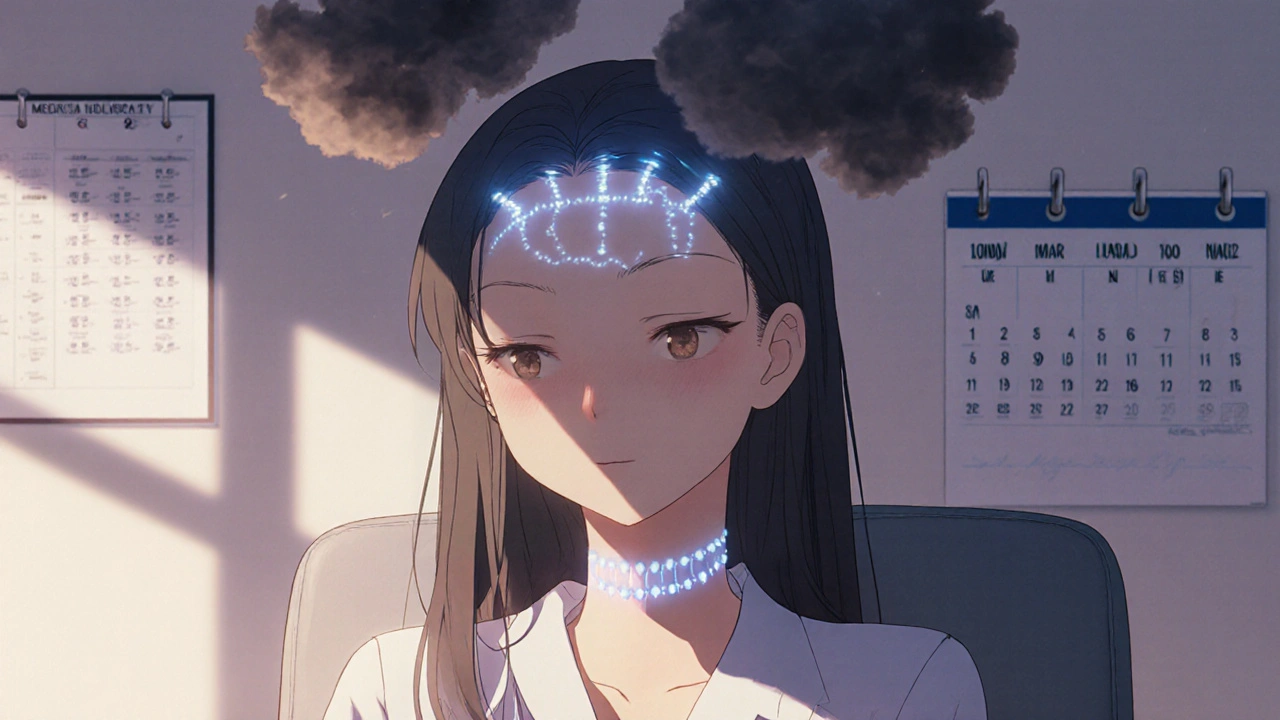
Botox for migraine is a proven preventive treatment for chronic migraine sufferers who haven't responded to oral medications. It works by blocking pain signals at the nerve level, reducing headache days by up to 50% for many patients.
Recent-posts
Dec, 2 2025

Apr, 27 2025

Dec, 1 2025

Dec, 26 2025

May, 15 2025
Categories
Tags
- online pharmacy
- side effects
- drug interactions
- generic drugs
- online pharmacy UK
- drug safety
- opioid side effects
- pill organizer
- Tadalafil
- arthritis medication
- buy medication online
- prescription medication
- quit smoking
- motion sickness
- Sildenafil
- Vardenafil
- ED medication alternatives
- biologics
- medication safety
- generic medication prices