
Bisphosphonates: What They Are, How They Work, and What You Need to Know
When your bones start to weaken, bisphosphonates, a class of drugs designed to slow bone loss by targeting cells that break down bone tissue. Also known as bone-resorption inhibitors, they’re among the most commonly prescribed treatments for osteoporosis and other conditions that cause bones to become fragile. These medications don’t rebuild bone, but they stop it from disappearing too fast—giving your body time to naturally replace what’s lost.
Bisphosphonates work by sticking to the surface of bone and blocking osteoclasts—the cells that chew away at bone tissue. This is why they’re used not just for osteoporosis, but also for bone metastases, Paget’s disease, and even some rare bone disorders. Drugs like alendronate, risedronate, and zoledronic acid fall into this group. Each has a different dosing schedule: some are taken weekly, others monthly, and some come as a yearly IV infusion. The key is consistency. Skipping doses or taking them wrong (like lying down right after) can reduce their effect—or cause serious stomach or esophageal irritation.
Side effects are real, but manageable. Most people tolerate them fine, but some report heartburn, muscle pain, or jaw issues. That’s why doctors often pair bisphosphonates with calcium and vitamin D, and monitor kidney function and dental health. It’s not just about popping a pill—it’s about understanding how your body uses these drugs. For example, if you’ve had a dental procedure or are planning one, your doctor might pause your bisphosphonate to reduce rare but serious jawbone complications.
What’s interesting is how these drugs connect to other treatments you might be on. Like beta-blockers for heart health, or iron supplements for anemia, bisphosphonates don’t work in isolation. They interact with your diet, your other meds, and even your circadian rhythm. Taking them on an empty stomach with plain water? That’s not just advice—it’s science. Food, coffee, or calcium-rich drinks can block absorption. Timing matters. So does staying upright for at least 30 minutes after taking them.
You’ll find posts here that dig into how medication timing affects side effects, how drug interactions can surprise you, and what to do when a treatment stops working. Some articles talk about switching from brand to generic, or how to handle shortages—topics that matter just as much for bisphosphonates as they do for anything else. There’s also coverage of how drugs like these are monitored for safety, how reports of adverse events shape guidelines, and how patients can advocate for better care.
Whether you’re just starting bisphosphonates, have been on them for years, or are wondering if they’re right for you, the information here is practical. No fluff. No jargon. Just what you need to know to use these drugs safely, understand why they’re prescribed, and spot the warning signs before they become problems.

Osteoporosis weakens bones and increases fracture risk. Bisphosphonates are the most common treatment, slowing bone loss and reducing fractures by up to 50%. Learn how they work, their risks, and how they compare to newer drugs.
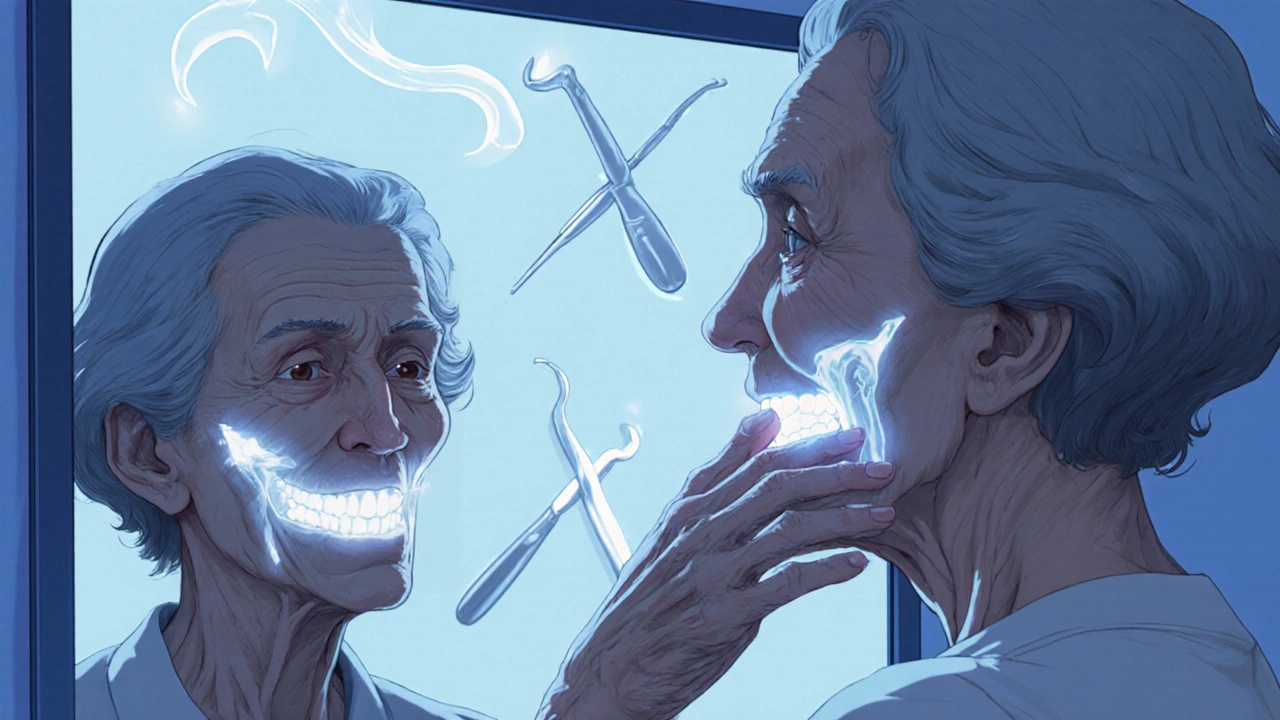
Bisphosphonates are highly effective for preventing osteoporosis fractures, but a rare risk is jaw necrosis. Learn the real chances, how to reduce it, and why skipping dental care is more dangerous than taking the medication.
Recent-posts

Oct, 12 2025

Nov, 7 2025

Jan, 11 2026

Oct, 19 2025

Jul, 23 2025
Categories
Tags
- online pharmacy
- side effects
- drug interactions
- generic drugs
- online pharmacy UK
- drug safety
- opioid side effects
- pill organizer
- Tadalafil
- arthritis medication
- buy medication online
- prescription medication
- quit smoking
- motion sickness
- Sildenafil
- Vardenafil
- ED medication alternatives
- biologics
- medication safety
- generic medication prices