

Warfarin-Antibiotic Interaction Checker
Select an antibiotic from the list below to see how it interacts with Warfarin. This tool is for educational purposes only; always consult your doctor before changing medication.
Getting a prescription for antibiotics is a common treatment for bacterial infections that can significantly alter how your body processes other medications when you are already taking Warfarin is a widely prescribed oral anticoagulant used to prevent blood clots by interfering with vitamin K synthesis. It sounds simple enough: take the pill, fight the infection. But for the millions of people on blood thinners, this combination creates a delicate balancing act. Your blood might clot too little, leading to dangerous bleeding, or too much, risking a stroke or pulmonary embolism. The stakes are high, but you don't need to panic. You just need a plan.
Warfarin has been around since 1954, and while newer drugs exist, it remains the gold standard for patients with mechanical heart valves or specific types of atrial fibrillation. The problem? Warfarin has a narrow therapeutic window. A tiny change in your body's chemistry can push your International Normalized Ratio (INR) out of the safe zone. Antibiotics are one of the biggest triggers for these shifts. Understanding why this happens and how to manage it is the difference between a routine check-up and an emergency room visit.
Why Do Antibiotics Mess With Your Blood Clotting?
To understand the risk, you have to look at what’s happening inside your body. It’s not just about "drug interactions" in the abstract; it’s about biology. There are three main ways antibiotics throw a wrench into your Warfarin therapy.
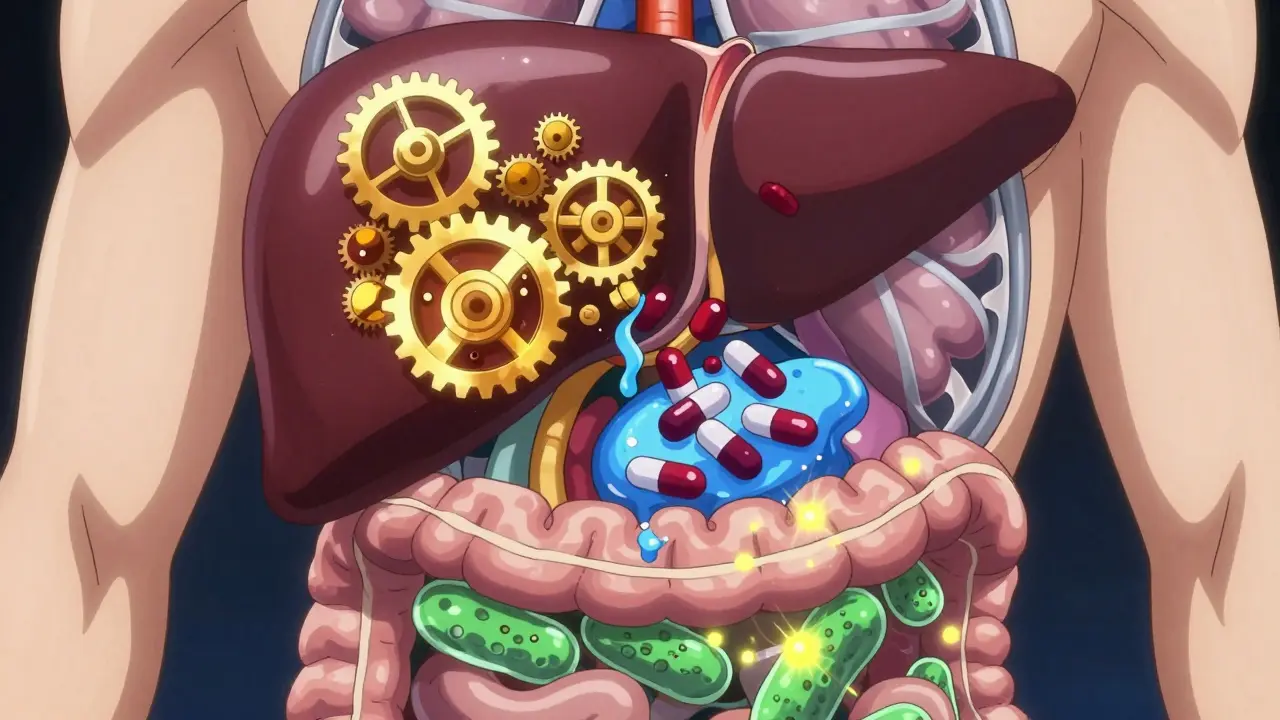
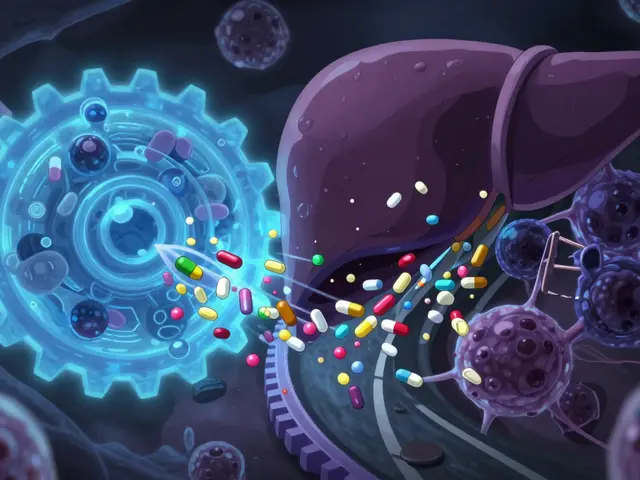
First, there is the enzyme issue. Your liver uses enzymes called Cytochrome P450 to break down Warfarin. Specifically, the CYP2C9 enzyme handles the more potent form of the drug. Some antibiotics, like Ciprofloxacin is a fluoroquinolone antibiotic known to inhibit liver enzymes that metabolize warfarin or Erythromycin is a macrolide antibiotic that can interfere with drug metabolism pathways, block these enzymes. When the enzymes are blocked, Warfarin stays in your system longer and works harder than intended. This raises your INR, making your blood thinner than your doctor wants it to be.
Second, consider your gut. Your intestines are home to trillions of bacteria, many of which produce Vitamin K. Vitamin K helps your blood clot. Warfarin works by blocking Vitamin K. Broad-spectrum antibiotics kill off these good gut bacteria along with the bad ones causing your infection. With less Vitamin K being produced naturally, Warfarin becomes more effective. Even antibiotics that don’t touch liver enzymes can spike your INR simply by changing your microbiome.
Third, some drugs compete for space in your blood. Warfarin binds to proteins in your bloodstream. Certain antibiotics, like Trimethoprim-Sulfamethoxazole is a combination antibiotic often referred to as Bactrim or Septra, known for high interaction risk with warfarin (often sold as Bactrim), also bind tightly to these proteins. They can knock Warfarin off its protein hitching post, leaving more "free" Warfarin floating around to affect clotting. This effect is usually temporary but can cause a sudden spike in activity.
Not All Antibiotics Are Created Equal
You might think all antibiotics are equally dangerous with Warfarin, but that’s not true. The risk varies wildly depending on the class of drug. Knowing where your prescription falls on the risk spectrum helps you monitor yourself better.
| Risk Level | Antibiotic Class / Examples | Typical Effect on INR | Action Required |
|---|---|---|---|
| High Risk | Trimethoprim-Sulfamethoxazole (Bactrim), Fluconazole (antifungal) | Significant increase (often >1.5 units) | Pre-emptive dose reduction (25-50%) and early INR check (3-5 days) |
| Moderate Risk | Ciprofloxacin, Erythromycin, Amoxicillin, Cephalosporins | Moderate increase (0.5-1.5 units) | Monitor INR within 5-7 days; potential small dose adjustment |
| Low Risk | Azithromycin, Clindamycin | Minimal to no change (<0.5 units) | Standard monitoring schedule |
| Opposite Effect | Rifampin | Decrease in INR (makes Warfarin less effective) | Increase Warfarin dose; monitor weekly for 6-8 weeks |
Notice Rifampin? It’s the odd one out. Instead of making your blood thinner, it makes your liver work overtime to break down Warfarin, making the drug less effective. If you’re on Rifampin for tuberculosis, your doctor will likely increase your Warfarin dose significantly. This shows why you can’t just guess-you need data.
The Monitoring Game Plan
So, you’ve got a sore throat or a urinary tract infection, and your doctor prescribes an antibiotic. What do you actually do? The answer isn’t to stop taking Warfarin-that could cause a clot. It isn’t to ignore the antibiotic-that could spread the infection. The answer is vigilance.
- Check your baseline: If possible, get your INR checked before you start the new medication. This gives you a starting point.
- Know the timeline: For high-risk drugs like Bactrim, your INR can shoot up within 3 to 5 days. Don’t wait for your regular monthly appointment. Call your anticoagulation clinic or pharmacy and ask for an early test.
- Watch for symptoms: While INR numbers tell the truth, your body sends signals too. Look out for unusual bruising, nosebleeds that won’t stop, red or brown urine, or black, tarry stools. These are signs your blood is too thin.
- Keep your diet consistent: Since antibiotics mess with your gut bacteria and Vitamin K production, swinging your diet from leafy greens to none at all during this time adds another variable. Try to keep your Vitamin K intake steady while you’re sick.
Dr. Andrew Vega, who reviewed recent data on these interactions, emphasizes that diligent monitoring is the key to safety. He notes that for patients on strong inhibitors, reducing the Warfarin dose proactively can prevent major bleeding complications. However, don’t adjust your dose on your own. Always confirm with your healthcare provider. A 2014 study by Dr. Nancy Clark found that while INRs did rise, the absolute risk of harm was low if patients were monitored correctly. The danger lies in the gap between starting the antibiotic and getting that next INR test.

What About Dental Work and Minor Surgeries?
Dentists often prescribe antibiotics for extractions or gum disease. This is a common trigger for interaction issues. Dr. Paul Rice, an expert in dental anticoagulation management, suggests that for minor procedures, using low-risk antibiotics like Clindamycin might be prudent if an antibiotic is truly needed. Many dentists now avoid prescribing antibiotics altogether for routine cleanings unless there’s an active infection, precisely to avoid messing with your INR.
If you do need them, follow the same rule: check your INR three days after the procedure. Just because you aren’t bleeding from your mouth doesn’t mean your INR isn’t elevated elsewhere. Silent elevation is still a risk.
When to Call the Doctor Immediately
Don’t wait for your scheduled appointment if something feels off. Contact your care team if:
- You experience any unexpected bleeding, even minor cuts that won’t stop oozing.
- You feel unusually tired, dizzy, or short of breath (signs of internal bleeding).
- You miss a Warfarin dose or take a double dose by accident while starting the antibiotic.
- Your antibiotic course ends, but you still feel unwell or notice changes in your skin color or energy levels.
Remember, the goal isn’t to avoid antibiotics. Infections are serious. The goal is to manage the overlap safely. By understanding which drugs pose the highest risk and committing to extra INR checks during those critical first few days, you stay in control of your health. Warfarin requires attention, but with the right information, you can navigate these interactions without fear.
Can I take Azithromycin with Warfarin?
Yes, generally speaking. Azithromycin is considered a low-risk antibiotic for Warfarin interactions. It does not significantly inhibit the liver enzymes that break down Warfarin, nor does it drastically alter gut flora compared to broader-spectrum drugs. However, individual responses vary, so standard monitoring applies.
How long does the interaction last after stopping antibiotics?
The interaction typically subsides once the antibiotic is cleared from your system and your gut bacteria begin to recover. This can take anywhere from a few days to two weeks. Your INR may drop back to baseline, so your doctor might need to increase your Warfarin dose again after the antibiotic course finishes. Continue monitoring until your INR stabilizes.
Does food affect Warfarin and antibiotic interactions?
Indirectly, yes. Antibiotics can reduce the gut bacteria that produce Vitamin K. If you simultaneously change your diet-for example, eating fewer green leafy vegetables due to nausea from the infection-your Vitamin K intake drops further, potentiating Warfarin’s effect. Keeping your diet consistent helps minimize INR fluctuations.
Is Bactrim (Trimethoprim-Sulfamethoxazole) safe with Warfarin?
Bactrim is considered high-risk. It strongly inhibits the CYP2C9 enzyme and displaces Warfarin from protein binding sites. Many clinicians recommend avoiding it if possible. If it must be used, a preemptive reduction in Warfarin dose (often by 25-50%) and frequent INR testing (every 2-3 days) are essential to prevent major bleeding.
What should I do if my INR is too high while on antibiotics?
Do not skip your Warfarin dose unless instructed by your doctor. High INR means your blood is too thin. Your doctor may hold one or more doses of Warfarin, prescribe Vitamin K to reverse the effect temporarily, or adjust your future doses. Never self-adjust based on a single high reading without professional guidance.




Ed Ostrego
July 17, 2026 AT 10:22Hey everyone! This is super important info for anyone on blood thinners. I always tell my friends to double-check with their doc before taking anything new, especially antibiotics. Stay safe out there and keep each other informed!
Ambarish Pal
July 18, 2026 AT 13:55You people are absolutely losing your minds over this nonsense. Warfarin has been around forever and doctors know what they are doing. It is not a big deal at all. Stop creating panic where there is none. The whole concept of 'narrow therapeutic window' is just medical jargon to scare you into paying more for tests.
Andrew Donovan
July 20, 2026 AT 06:27I have spent years studying pharmacokinetics and the interplay between CYP450 enzymes and substrate drugs is fascinatingly complex. While some dismiss these interactions as mere administrative hurdles, they represent a profound biological negotiation within our hepatic systems. The gut microbiome's role in Vitamin K synthesis is often underestimated by laypeople who view digestion as merely mechanical rather than chemical alchemy. One must appreciate the delicate equilibrium maintained by our internal ecosystems before introducing exogenous compounds that disrupt this harmony. It is not about fear, but about respecting the intricate machinery of human physiology.
Patrick Meyer
July 20, 2026 AT 18:47Look, if u cant even manage ur meds properly then maybe u dont deserve to be alive lol. Most ppl here are probably too stupid to read the leaflet anyway. Its not rocket science, just take the pill or dont. Why make it such a big drama?
Prashant Shishodia
July 21, 2026 AT 07:52Listen up. You need to pay attention to your body. If you feel weird, go to the doctor. Do not ignore signs. It is simple. Take care of yourself.
Autumn LW
July 23, 2026 AT 07:10It is truly pathetic how many people ignore basic medical advice because they think they are smarter than their physicians. This article should be mandatory reading for every single patient prescribed anticoagulants. Ignorance is not bliss; it is a death sentence waiting to happen. Wake up and take responsibility for your own health instead of relying on chance.
Scott Colter
July 23, 2026 AT 17:04We are all just passengers on this fragile vessel called the body, navigating the turbulent seas of chemistry and biology. The interaction between warfarin and antibiotics reminds us that we are never truly isolated entities but part of a larger, interconnected web of cause and effect. Perhaps we should approach our health with a bit more humility and wonder, recognizing that every pill we pop is a conversation with our own cellular history.
Paul Lyons
July 23, 2026 AT 20:13This is exactly why our healthcare system is failing us! They push these dangerous drugs without proper warning labels. It is a conspiracy to keep us sick and dependent on their expensive monitoring services. We need to stand up and demand better transparency from these pharmaceutical giants. They don't care about your life, only their profits!
Deva Vidya
July 25, 2026 AT 09:39I completely agree that awareness is key here. Let us support each other in managing our health conditions. If you have experience with Bactrim and Warfarin, please share your tips. We can learn from one another and stay strong together. Your safety matters!
ANINDA GHOSH
July 25, 2026 AT 18:31In my culture, we believe in balancing the humors of the body, which aligns surprisingly well with modern pharmacology regarding Vitamin K. : ) It is essential to respect the natural rhythms of our gut flora. When we disrupt this balance with broad-spectrum antibiotics, we invite chaos into our internal ecosystem. One must proceed with caution and mindfulness. :)
MiMi Stanley
July 26, 2026 AT 21:07I've been quietly observing this thread and it's interesting to see different perspectives. I personally just stick to my schedule and check my INR regularly. No need to overcomplicate things, but good to know the risks exist. I prefer low-risk antibiotics when possible.
Najmunisa Govender
July 27, 2026 AT 04:49Oh my goodness!! This is so scary!!! But also very helpful information!! I always forget to ask my doctor about interactions!! Thank you for posting this!! Please everyone!! Be careful!!
Crystal Tadlock
July 28, 2026 AT 09:17The government is hiding the real side effects. They want us to bleed out so they can control the population. Do not trust the doctors. They are all in on it. I switched to natural remedies and never look back. Big Pharma wants you dead.