
HRT Interaction Risk Checker
Step 1: Select Your Medications
Select any medications or supplements you are currently taking.
Step 2: Select HRT Method
Choose the form of HRT you are considering.
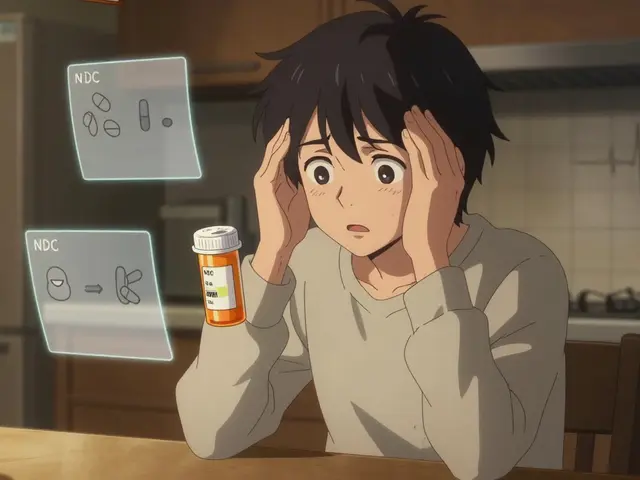
Starting Hormone Replacement Therapy is a medical treatment using estrogen and progestin to manage menopausal symptoms like hot flashes and night sweats can feel like a lifeline. It brings relief when nothing else seems to work. But if you are already taking other medications for conditions like epilepsy, depression, or high blood pressure, adding hormones into the mix gets complicated. Your body doesn't just absorb these drugs in isolation; they talk to each other, sometimes changing how well they work or increasing side effects.
You might assume that because HRT is widely prescribed, it plays nice with everything else in your medicine cabinet. The reality is different. Certain combinations can lower the effectiveness of life-saving drugs or spike hormone levels unexpectedly. Understanding these interactions isn't about scaring you away from treatment-it’s about ensuring your therapy works safely alongside your current health routine.
How HRT Changes Drug Metabolism
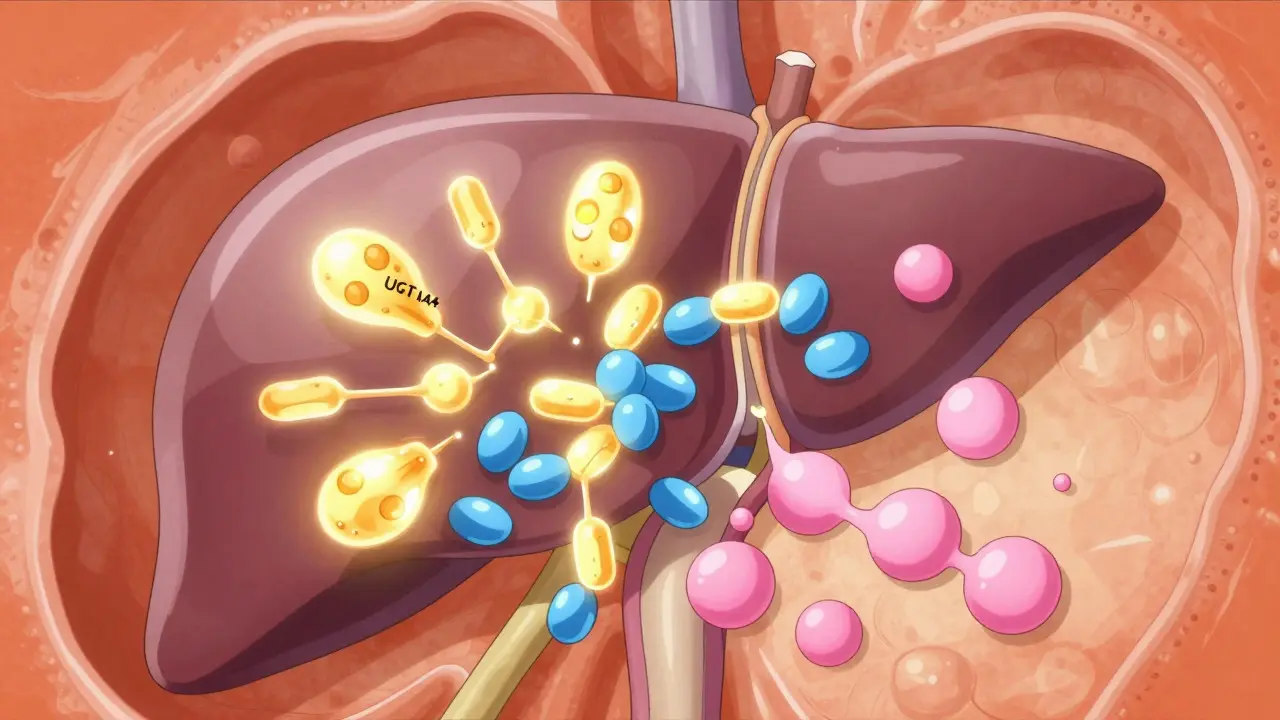
To understand why interactions happen, you need to look at what happens inside your liver. When you take oral HRT, it passes through your digestive system and enters the liver before circulating through your bloodstream. This first pass through the liver is where many drug interactions occur. Estrogen, a key component of most HRT regimens, influences enzymes that break down other medications.
One specific enzyme involved is UGT1A4 is a liver enzyme responsible for metabolizing certain drugs, including the anticonvulsant lamotrigine. Research from the Netherlands Pharmacovigilance Centre Lareb shows that estradiol (the primary estrogen used in HRT) increases the expression of UGT1A4. When this enzyme becomes more active, it breaks down certain drugs faster than usual. This means the concentration of those drugs in your blood drops, potentially making them less effective. It’s not that the drug stops working entirely, but its therapeutic level falls below what is needed to control your condition.
This metabolic shift explains why some patients report their existing conditions worsening after starting HRT, even though they haven’t changed their dosage of other medications. The interaction is biochemical, not psychological. Recognizing this mechanism helps doctors adjust doses proactively rather than reactively.
Critical Interactions: Anticonvulsants and Mood Stabilizers
The most documented and clinically significant interactions involve Lamotrigine is an anticonvulsant medication used to treat epilepsy and bipolar disorder. Lamotrigine has a narrow therapeutic index, meaning the difference between an effective dose and a toxic or ineffective one is small. If HRT speeds up its metabolism, blood levels can drop significantly.
| Medication Class | Specific Drugs | Interaction Effect | Clinical Consequence |
|---|---|---|---|
| Anticonvulsants | Lamotrigine, Carbamazepine | Decreased blood levels due to increased enzyme activity | Worsening seizures or depressive episodes |
| Herbal Supplements | St. John’s Wort | Accelerated breakdown of estrogen | Reduced effectiveness of HRT |
| Corticosteroids | Hydrocortisone | Increased cortisol-binding globulin | Falsely elevated total cortisol readings |
| Antibiotics | Rifampicin, Griseofulvin | Induction of liver enzymes | Lowered hormone levels |
A case report highlighted by Lareb illustrates this perfectly. A woman taking lamotrigine for depressive episodes started Femoston (a combination of estradiol and dydrogesterone). After five months, her depressive symptoms worsened. Blood tests revealed significantly lower lamotrigine levels during HRT use compared to after she stopped. Once the HRT was discontinued, her lamotrigine levels stabilized, and her mood improved. This isn't an isolated incident; it’s a predictable pharmacological outcome that requires monitoring.
If you take lamotrigine or similar anticonvulsants, do not stop your HRT abruptly without consulting your doctor. Instead, expect regular blood tests to monitor drug levels. Your physician may need to increase your lamotrigine dose while you are on HRT and decrease it again if you switch methods or stop therapy.
The Herbal Trap: St. John’s Wort and Other Supplements
Many people turn to herbal remedies for mild anxiety or sleep issues, assuming they are harmless. St. John’s Wort is a popular herbal supplement used for mild depression and anxiety, known to induce liver enzymes is a major exception. It acts as a potent inducer of cytochrome P450 enzymes, the same family of enzymes that process many prescription drugs, including estrogen.
When you take St. John’s Wort with oral HRT, the herb accelerates the breakdown of estrogen. The result? Your HRT becomes less effective. Hot flashes return, and sleep disturbances persist, leading you to think your HRT dose is too low. In reality, the herb is neutralizing the medication. The NHS explicitly warns that herbal remedies containing St. John’s Wort may affect how HRT works, making it less effective.
Other supplements like resveratrol also pose risks. Resveratrol has a chemical structure similar to synthetic estrogens like diethylstilbestrol. While evidence is weak, there is potential for harmful interactions or enhanced estrogenic effects. Always disclose every vitamin, herb, and supplement to your prescriber. "Natural" does not mean "inactive."
Corticosteroids and Diagnostic Confusion
If you have adrenal insufficiency or another condition requiring Hydrocortisone is a corticosteroid medication used to replace natural cortisol in the body, HRT introduces a diagnostic challenge. Female hormones, whether from birth control pills or HRT, increase the production of Corticosteroid-Binding Globulin (CBG) is a protein in the blood that binds to cortisol, affecting how much free cortisol is available in the liver.
CBG binds to cortisol, so when CBG levels rise, total cortisol measurements in your blood appear higher-even if your actual free, active cortisol levels remain unchanged or slightly lower. According to the Pituitary Foundation, total cortisol concentrations can almost double in women on oral contraceptives or HRT. This creates a false sense of security. Doctors relying on standard total cortisol tests might think your hydrocortisone dose is adequate when it isn’t.
To avoid mismanagement, clinicians must measure free cortisol or use alternative clinical assessments rather than relying solely on total cortisol levels. If you notice swelling in your hands, feet, or ankles while taking both hydrocortisone and testosterone-containing therapies, report it immediately. Water retention is a common side effect of this combination and may require dose adjustments.
Why Delivery Method Matters: Pills vs. Patches
Not all HRT interacts equally with other medications. The route of administration plays a crucial role. Oral tablets and capsules undergo first-pass metabolism in the liver, exposing them to the enzymatic changes described above. Transdermal HRT is Hormone replacement therapy delivered through the skin via patches or gels, bypassing initial liver metabolism, however, bypasses this first pass.
When you apply a patch or gel, estrogen enters your bloodstream directly through the skin. It still circulates systemically, but it avoids the intense initial processing in the liver. The NHS notes that HRT skin patches are less likely to be affected by other medicines, particularly those that induce liver enzymes like St. John’s Wort or certain antibiotics. For patients on complex medication regimens, switching from oral to transdermal delivery can minimize interaction risks.
This doesn’t mean transdermal HRT is interaction-free. Systemic absorption still occurs, and interactions with drugs that bind to plasma proteins or affect renal clearance can still happen. But for enzyme-mediated interactions, patches offer a safer profile. If you are struggling with interactions on oral HRT, ask your doctor about switching to a transdermal option.

Anticoagulants and Cardiovascular Risks
Women taking Anticoagulants are medications like warfarin or direct oral anticoagulants (DOACs) that prevent blood clots face unique considerations. HRT itself carries a known risk of increasing blood clot formation, particularly with oral estrogen. Combining HRT with anticoagulants requires careful balancing.
While HRT doesn’t always drastically alter the metabolism of newer DOACs, the additive risk of thrombosis (blood clots) remains. MedlinePlus warns that combination HRT may increase the risk of heart attack, stroke, and blood clots in the lungs and legs. If you have a history of clotting disorders, high blood pressure, or diabetes, your doctor will weigh these risks heavily. Some guidelines suggest stopping estrogen and progestin at least four to six weeks before surgery or prolonged bed rest to reduce clot risk.
For women on warfarin, monitoring INR (International Normalized Ratio) levels closely is essential. Hormonal fluctuations can affect coagulation factors, potentially altering warfarin’s effectiveness. Regular blood tests ensure your anticoagulant therapy remains within the therapeutic range.
Practical Steps to Manage Interactions Safely
Navigating HRT interactions doesn’t have to be stressful if you follow a structured approach. Here is what you should do:
- Create a complete medication list: Include prescriptions, over-the-counter drugs, vitamins, and herbal supplements. Update this list every time you start or stop anything.
- Differentiate between oral and transdermal options: If you take multiple medications, discuss transdermal HRT with your doctor to reduce liver-related interactions.
- Monitor for symptom changes: If your epilepsy, depression, or asthma symptoms worsen after starting HRT, don’t ignore it. It could signal a drug interaction lowering your medication levels.
- Request specific blood tests: Ask for therapeutic drug monitoring for medications with narrow therapeutic indices like lamotrigine. For corticosteroid users, request free cortisol testing instead of total cortisol.
- Avoid self-medicating with herbs: Specifically avoid St. John’s Wort unless cleared by your pharmacist or doctor.
- Communicate with all providers: Ensure your endocrinologist, GP, and psychiatrist are aware of your HRT regimen. Siloed care leads to missed interactions.
Remember, the goal is not to avoid HRT but to optimize it. With proper monitoring and informed choices, you can manage menopausal symptoms safely while maintaining control over other health conditions.
Does HRT interact with blood thinners?
Yes, HRT can interact with blood thinners. Oral estrogen increases the risk of blood clots, which adds to the complexity of managing anticoagulant therapy. While it may not drastically change the metabolism of newer blood thinners, the combined risk of thrombosis requires careful monitoring. Women on warfarin need frequent INR checks, as hormonal changes can affect clotting factors.
Can I take St. John’s Wort with HRT?
It is generally advised against taking St. John’s Wort with oral HRT. St. John’s Wort induces liver enzymes that break down estrogen rapidly, reducing the effectiveness of your HRT. This can lead to a return of menopausal symptoms like hot flashes. Transdermal HRT is less affected, but caution is still recommended.
How does HRT affect lamotrigine levels?
HRT, specifically estrogen-containing formulations, can significantly lower lamotrigine blood levels. Estrogen increases the activity of the UGT1A4 enzyme, which metabolizes lamotrigine faster. This can lead to breakthrough seizures or worsening depressive symptoms. Regular blood monitoring and potential dose adjustments are necessary when combining these drugs.
Are HRT patches safer regarding drug interactions?
Yes, HRT patches are generally safer regarding drug interactions than oral tablets. Because patches deliver estrogen through the skin directly into the bloodstream, they bypass the liver's first-pass metabolism. This reduces the impact of liver enzyme-inducing drugs like St. John’s Wort or certain antibiotics on hormone levels.
What should I do if my symptoms worsen after starting HRT?
If your underlying conditions like epilepsy, depression, or asthma worsen after starting HRT, contact your doctor immediately. Do not stop your medications abruptly. Worsening symptoms may indicate a drug interaction lowering the effectiveness of your current treatments. Your doctor may order blood tests to check drug levels and adjust dosages accordingly.