
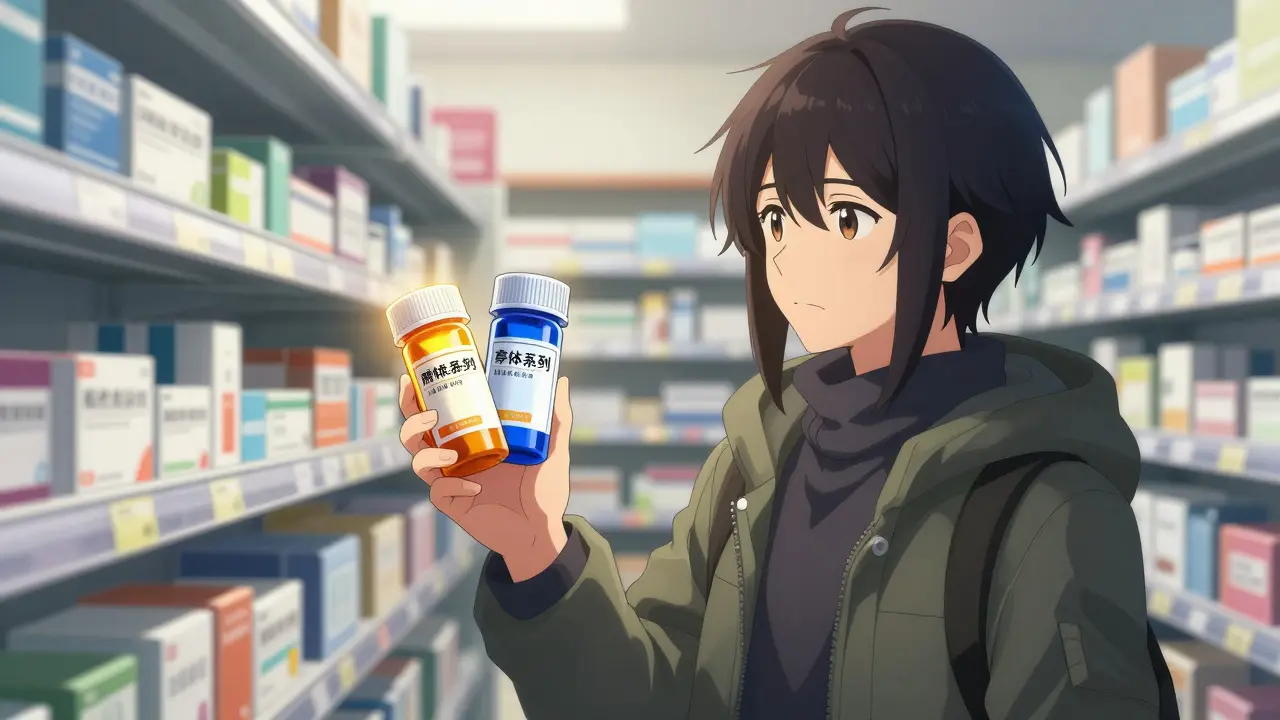
You might believe every pill costs the same everywhere, but that is far from true. Imagine walking into two different stores right now, asking for the exact same blood pressure medicine, and hearing one cashier say $4.50 and the other say $140. That isn't a typo. Price variations for identical medications can reach extreme disparities even within the same neighborhood. This happens because pharmacy pricing isn't standardised; it depends on business models, discount contracts, and how much you are willing to negotiate.
We see this play out in real life constantly. A study published in PMC documented Atorvastatin ranging from four dollars to fourteen times that amount depending on where you fill the prescription. As we move through 2026, managing these costs has become a skill set you need, not just a nice-to-have. High-deductible health plans have pushed more people to pay cash prices directly, meaning you cannot rely solely on insurance to get the best rate.
Understanding Why Prices Vary Across Pharmacies
To save money, you have to understand why the numbers are so different. Pharmaceutical manufacturers implement profit-maximising strategies based on your price sensitivity. Think of it like a car dealership offering hidden discounts to certain buyers. According to the U.S. Department of Health and Human Services, no purchaser pays a higher price to make up for discounts offered to someone else. Instead, each payer-whether it's a big chain or an individual shopper-pays according to their bargaining position.
Mass merchandiser pharmacies often maintain lower margins on generics compared to national chains. Data shows mass merchandisers might keep a margin of around $5.84 per prescription, whereas national chains keep roughly double that amount. Analytical pharmacies, which specialise in filling complex prescriptions, often charge the highest undiscounted cash prices because their overhead is different. For brand-name medications, however, discounting power is limited. Even with coupon apps, you might see minimal savings on non-generic drugs because manufacturers protect those revenue streams tightly.
Leveraging Pharmacy Discount Platforms
The most effective weapon against high list prices is digital comparison tools. These platforms aggregate pricing data from thousands of locations and negotiate rates directly with pharmacies in exchange for referrals. They act as a middleman that bypasses traditional insurance negotiation, which often includes hidden rebates that don't benefit you at the counter.
There are three main players in this space that you should check before handing over your credit card. Cross-referencing these tools increases accuracy because coverage varies by ZIP code.
- GoodRx: A popular app serving over 200 million users annually. It reports average savings of 88% on generic medications.
- RxSaver: Another aggregator that compares local cash prices independently.
- WellRX: Offers printable coupons similar to the others but sometimes secures deals with smaller pharmacy networks.
A note on reliability: While generally excellent, occasional mismatches happen. An independent study found about 12.7% of users reported price discrepancies between what the app showed and what the register charged. Always ask the pharmacist to verify the final number before paying. For brand-name drugs, expect results to vary; these coupons rarely offer deep discounts on patented medicines.
Selecting the Right Type of Pharmacy
Not all retail locations operate with the same financial model. Knowing where to walk in matters almost as much as knowing which coupon to print. You might find that the drugstore inside the grocery store beats the stand-alone clinic next door, or vice versa. Here is how they break down:
| Pharmacy Type | Typical Cash Price | Discount Potential | Best For |
|---|---|---|---|
| Supermarket Chains | Lowest Base Rate | High (with Coupon) | Gentamic CV Meds |
| National Chains | Higher Base Rate | Moderate | Brand Name Drugs |
| Independent Stores | Variable (Often Competitive) | Hidden Discounts | Customer Loyalty |
| Mail Order | Volume Discount | Specific Programs | Long-term Therapy |
Supermarket pharmacies typically hold the lowest undiscounted prices for common heart medications. Their volume sales model allows them to undercut national competitors. National chains, while convenient, often carry higher markups. Independent pharmacies present a mixed bag. Some offer the best cash prices because they want your business, while others charge premium rates due to lack of competition. A 2023 report indicated that nearly 38% of independent pharmacies offer unadvertised discounts to regular customers. Building a relationship can unlock savings you wouldn't see online.
For stable conditions requiring long-term medication, mail-order services are worth considering. Non-profit organisations like RXOutreach.com assist patients with household incomes near or below the federal poverty level. If you qualify, these services can provide access to generic medications at substantially reduced rates. Mail order adoption has grown rapidly, moving from 28% to 35% of prescriptions over recent years. This method locks in a price for three months, protecting you from sudden price jumps at local counters.

A Step-by-Step Guide to Lowering Your Bill
You don't need to spend hours hunting for deals to make a dent in your budget. The process takes about ten to fifteen minutes per prescription if you stay systematic. Start by never assuming your insurance co-pay is the cheapest option. Insurance companies sometimes pass on rebates to themselves rather than you. By checking the cash price alongside your insurance co-pay, you gain leverage.
- Get the Undiscounted Price: Ask the pharmacist for the 'cash price' before presenting any cards or coupons. LifeCare Advocates noted that many people are surprised to learn that cash prices fluctuate significantly depending on the provider.
- Check Multiple Apps: Input your medication name into GoodRx, RxSaver, and WellRX. Look for the one that offers a specific local deal near your home. Sometimes driving five miles extra saves twenty percent on the total bill.
- Review Plan Options: If you are on Medicare, review your plan choices during open enrollment (mid-October to early December). Utilising preferred pharmacy networks can reduce costs by 15-25% without changing your medication.
- Consider Mail Order: For income-qualified individuals, apply for non-profit programs like RXOutreach.com for generic refills. This requires documentation but yields consistent low costs.
- Talk to the Pharmacist: Ask if they have an internal discount program. Many independents have loyalty discounts that aren't advertised online.
This strategy works even better when you catch the manufacturer early. Therapeutic classes with three or more competing brand-name drugs show greater discounts than single-brand classes. If your doctor prescribes a drug with few competitors, the savings potential drops. Ask your physician if a therapeutic alternative exists in a class with more competition.
Special Considerations for Medicare and Government Plans
The landscape changed significantly for seniors recently. With the implementation of the Inflation Reduction Act, a new cap on annual out-of-pocket costs began taking effect. Starting in 2025, beneficiaries cannot be charged more than $2,000 per year for covered Part D drugs. However, experts warn that without shopping around, you will still overpay significantly before hitting that cap. The cap stops you from catastrophic failure, but it doesn't fix monthly bills.
Part D plan reviews are critical. Not all formularies cover the same tier levels. Moving from a Tier 2 to a Tier 1 drug can cut your monthly payment instantly. Furthermore, price transparency initiatives are rolling out state-by-state. California passed the Pharmacy Price Gouging Prevention Act in 2022, setting a precedent for limiting excessive markups. Keep an eye on whether your state adopts similar transparency laws, as this changes which pharmacies can legally charge high premiums.
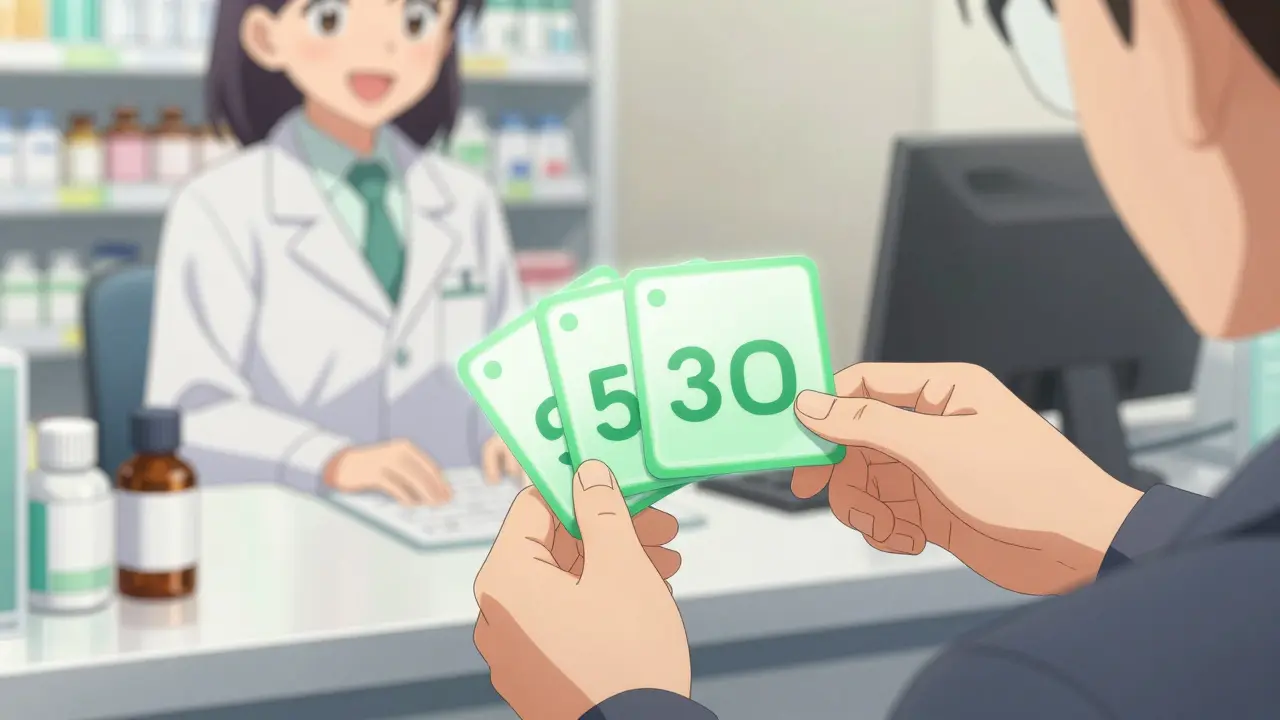
Future Trends and Market Outlook
By 2026, the trend toward direct consumer purchasing remains strong. Approximately half of workers hold high-deductible health plans, meaning out-of-pocket costs are more relevant than ever. Manufacturers continue to adjust rebates to Pharmacy Benefit Managers (PBMs), but these rebates rarely reach the patient. Understanding that 'rebate' doesn't mean 'discount' for you is crucial. The rebate stays in the middleman's pocket.
Generics are becoming more available thanks to regulatory updates like the FDA's Generic Drug User Fee Amendments. More generics entering the market means increased competition, which usually drives prices down. However, brand-name prices remain sticky due to patent protections. Long-term, improving transparency will likely maintain significant price dispersion across pharmacies through at least 2030 due to structural market factors. The onus remains on the consumer to perform the legwork of comparison shopping.
Frequently Asked Questions
Is GoodRx always cheaper than insurance?
Not always. For some brand-name drugs, your insurance co-pay might be lower than the GoodRx cash price. However, for generics, GoodRx often undercuts the insurance deductible or co-insurance amount. You must compare both figures before filling.
Can I use a discount coupon if I have Medicare?
Generally, you cannot combine Medicare benefits with third-party coupons like GoodRx for the same claim. However, you can opt to pay cash using the coupon instead of using your Medicare Part D benefit. This helps avoid counting towards your deductible, but you lose credits towards your out-of-pocket maximum.
Why are independent pharmacy prices so different?
Independent pharmacies have buying power flexibility. Some buy at wholesale club rates and pass the saving on, while others compete on service rather than price. Their inventory management differs from large chains, causing variance in stock costs.
Does shipping via mail-order affect the price?
Yes, mail-order often uses bulk pricing models. Shipping fees might apply, but the per-unit cost is frequently lower. Services like RXOutreach specifically target low-income families to reduce these barriers.
Are brand-name drugs ever discounted on apps?
It is rare. Discounts on brand-name drugs average around 42%, which is significant, but generics drop 88%. Manufacturer contracts with discount platforms are stricter for patented drugs, limiting the depth of available coupons.


Beth LeCours
April 1, 2026 AT 14:32Honestly just wish the prices were standardised across the board.
angel sharma
April 3, 2026 AT 05:29It is amazing how many people ignore this simple truth about healthcare costs today. We see the system designed to keep us guessing at every turn which frustrates everyone involved. You really have to take charge of your own financial future regarding medication expenses. Relying on insurance alone is a risky strategy that leaves you vulnerable to sudden changes. The independent pharmacist often holds more power than we realize when it comes to cash rates. Walking into a store and asking directly yields results that apps sometimes miss entirely. This proactive approach empowers the consumer against massive corporate structures everywhere. It feels good to save money that would otherwise vanish into corporate profits unnecessarily. We must prioritize our health while also securing our financial stability in these uncertain times. Every dollar saved here is a dollar available for food or education for our families. The complexity of the billing system is intended to confuse ordinary people who just want medicine. Ignorance costs more than knowledge when you consider the sheer amount spent annually on prescriptions. Understanding the difference between rebates and actual discounts is crucial for making smart choices. Manufacturers manipulate numbers to protect their bottom line rather than helping patients survive. We stand together against these opaque practices by sharing information openly online. Community support is vital because no single person should fight these corporations alone.
Sam Hayes
April 5, 2026 AT 01:39hey thanks for sharing this i never thought about checking the cash price before using my card honestly most people just assume insurance is best but thats not true anymore i found a cheaper place last week using those apps mentioned here it saves quite a bit over the year you should try calling local spots too they know regulars well
Will Baker
April 5, 2026 AT 09:00Everyone keeps telling you to shop around like it solves anything. The prices fluctuate wildly anyway so saving five dollars here means nothing when inflation hits next month. It feels like a placebo activity that makes people feel productive while companies raise their baseline costs.
Joey Petelle
April 5, 2026 AT 17:18Your cynical take misses the fact that every dollar matters when people are living paycheck to paycheck. Acting like savings do not matter is just privilege speaking to those stuck in the system trying to breathe. Stop dismissing real solutions because you think the whole thing is rigged anyway.
Goodwin Colangelo
April 5, 2026 AT 18:33I have tested the GoodRx app myself and verified prices at three separate locations in my area. The variance was significant enough to cover several months of refills just by switching stores. Supermarket chains specifically tend to offer lower base rates that do not require special login accounts. Just remember to verify the final cost at the register before handing over payment. Insurance copays can still win on some brand names depending on your deductible status. Being thorough with the process really does impact your monthly budget significantly.
Dipankar Das
April 6, 2026 AT 02:28The methodology outlined by previous contributors demonstrates excellent fiscal discipline in managing pharmaceutical expenditures. Adopting such rigorous comparison strategies ensures optimal resource allocation for essential health maintenance. Consistency in applying these principles yields measurable improvements in household economic stability.
Hudson Nascimento Santos
April 6, 2026 AT 19:04We live in a world where value is subjective and dictated by proximity rather than intrinsic worth. Pharmaceutical pricing reflects the chaos of unregulated market forces acting upon human vulnerability. Understanding these currents allows us to navigate the waters with greater clarity.
Dee McDonald
April 8, 2026 AT 18:04Stop overthinking the philosophy and just start checking prices today. You need to act now instead of wondering about the nature of capitalism. Take control of your wallet immediately.
Joseph Rutakangwa
April 9, 2026 AT 16:25good guide focus on supermarket chains and mail order for best savings generic options work best there forget brand names unless necessary