
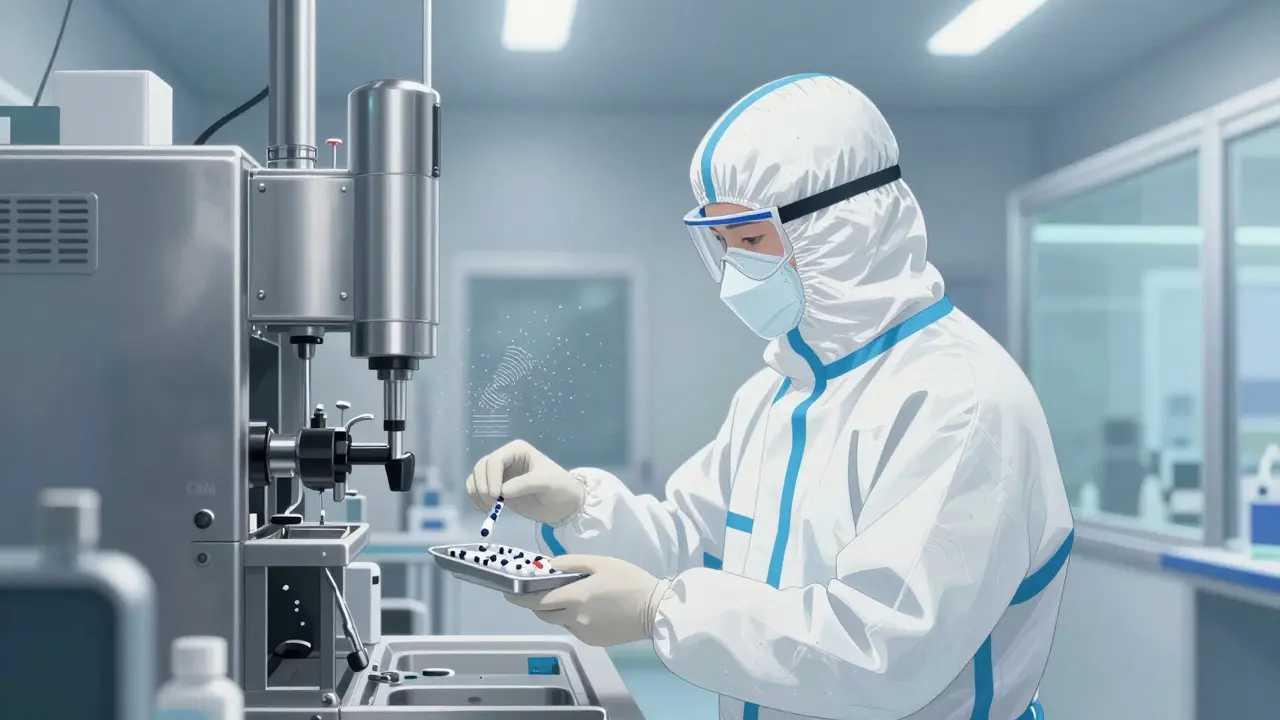
When you pick up a prescription at the pharmacy, you trust that the pill inside is safe. For most people, that pill is likely a generic version of a brand-name drug. In fact, generic drugs account for roughly 90% of all prescriptions dispensed in the United States. This massive shift toward generics has made healthcare more affordable, but it has also introduced complex risks. The biggest threat isn't usually that the drug doesn't work-it's that something unwanted got into it during manufacturing. We call this contamination.
Contamination can range from invisible microbes to chemical residues left over from previous production runs. It’s not just a theoretical problem; data shows that contamination-related issues accounted for 22% of all drug recalls in 2022, with generic drugs making up 37% of those specific cases. Understanding how these risks happen, how they are prevented, and what happens when prevention fails is crucial for anyone involved in healthcare-from pharmacists and patients to industry professionals.
The Hidden Pathways of Contamination
To understand how to stop contamination, we first need to look at where it comes from. It rarely happens by accident alone; it usually stems from gaps in process or design. The U.S. Food and Drug Administration (FDA) defines cross-contamination as the undesired introduction of impurities-chemical, microbiological, or foreign matter-into a drug product. These impurities can come from the environment, other products being made nearby, or even the manufacturing process itself.
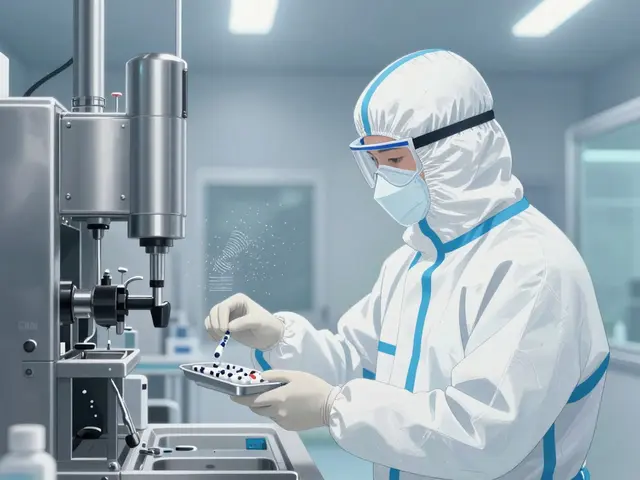
One major source is personnel. You might think wearing a clean lab coat makes you sterile, but humans are surprisingly messy. Studies show that personnel contribute 75-80% of particles found in pharmaceutical cleanrooms. A single worker sheds approximately 40,000 skin cells per minute. If that person stands still, they generate about 100,000 particles larger than 0.3 microns. When workers move, handle materials, or don’t gown properly, those particles carry bacteria or chemicals onto sensitive equipment.
Cross-contamination between different drugs is another critical risk. Imagine a machine used to make a powerful cancer medication is then used to make a common blood pressure pill. If the cleaning process isn’t perfect, tiny amounts of the cancer drug remain. For a patient taking the blood pressure pill, even a microscopic amount of the potent residue could be dangerous. The FDA identifies three critical risk levels based on the therapeutic index-the ratio between the effective dose and the toxic dose of a drug. Highly potent drugs require stricter controls because their 'safe' residual limit is much lower.
- Microbial Contamination: Bacteria, mold, or yeast entering non-sterile products. USP standards limit total aerobic microbial count to no more than 10^3 colony-forming units (CFU) per gram for oral dosage forms.
- Chemical Cross-Contamination: Residual active ingredients from previous batches transferring to new products via equipment or air systems.
- Physical Foreign Matter: Glass shards, metal filings, or plastic fragments entering the product line due to equipment wear or poor facility maintenance.
Prevention Strategies: Building a Fortress
You can’t rely on luck to keep drugs safe. Prevention requires a multi-layered approach known as Good Manufacturing Practices (GMP). These aren't just suggestions; they are legal requirements enforced by agencies like the FDA and the European Medicines Agency (EMA). Effective prevention starts long before a single pill is pressed.
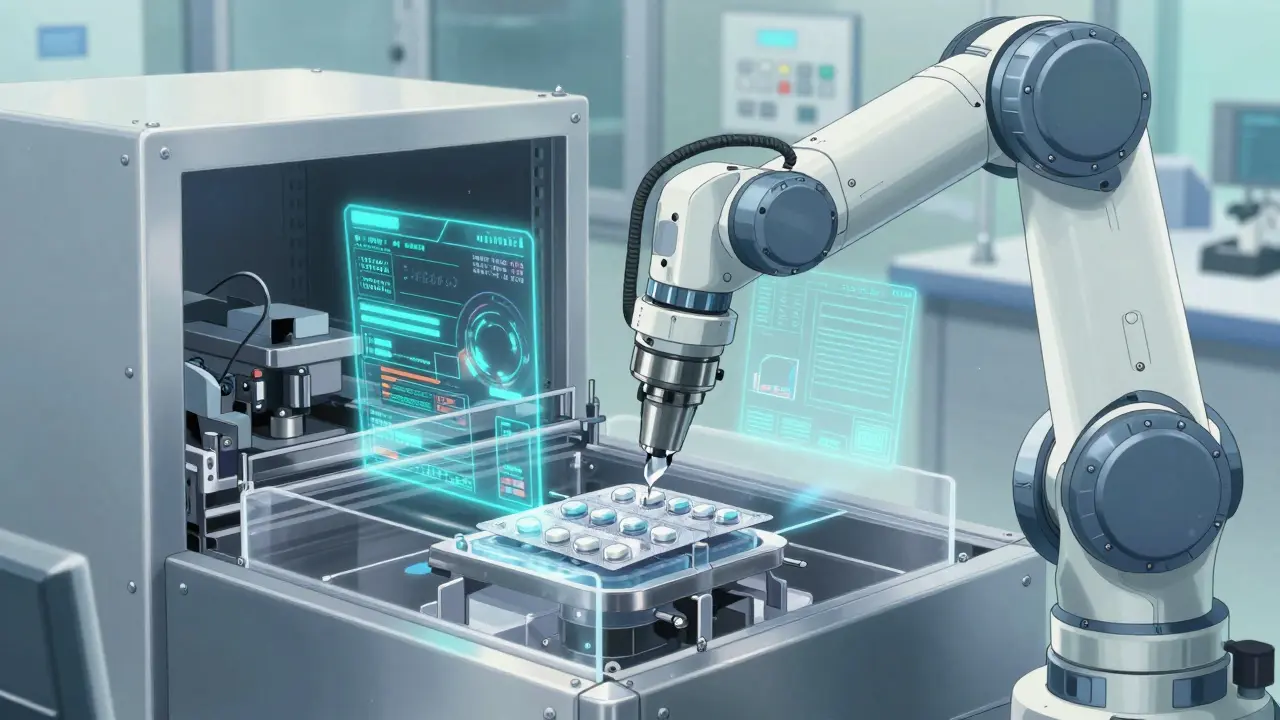
Facility design plays a huge role. Modern facilities must meet strict environmental standards. For non-sterile manufacturing, the FDA mandates minimum ISO Class 8 (formerly Class 100,000) environments. For sterile products, which include injectables, the requirement jumps to ISO Class 5 (Class 100). These classes define how many particles of certain sizes are allowed in the air per cubic foot. Achieving this requires specialized HVAC systems, positive pressure rooms to keep outside air out, and sealed isolators that prevent operators from directly touching the product.
Cleaning validation is perhaps the most technical aspect of prevention. Manufacturers can’t just wipe down machines and hope for the best. They must prove, through scientific testing, that their cleaning process removes contaminants to an acceptable level. The standard benchmark is often 10 parts per million (ppm) of previous product residue. This is verified through swab testing with 95% confidence intervals. However, experts like Dr. Michael Kopcha, former FDA Director of Pharmaceutical Quality, argue that for highly potent drugs, even 10 ppm might be too high. He advocates for product-specific acceptance criteria based on toxicological evaluations rather than arbitrary limits.
| Control Measure | Description | Impact on Risk |
|---|---|---|
| Closed Isolator Systems | Sealed enclosures where operators manipulate products via robotic arms or gloves without direct contact. | Reduces cross-contamination incidents by up to 78% (as seen in Teva Pharmaceuticals' Bologna facility). |
| Rapid Microbiological Methods | Advanced testing techniques that detect microbes in hours instead of days. | Cuts detection time from 7 days to 4 hours, allowing faster response to outbreaks. |
| Real-Time Particle Monitoring | Sensors that continuously track airborne particle counts during production. | Enables immediate shutdown if cleanliness standards drop, preventing batch contamination. |
| Enhanced Gowning Procedures | Strict protocols for how staff dress, including double-gloving and hair coverings. | Significantly reduces human-borne particulate matter in cleanrooms. |
Training is equally vital. GMP Standard Operating Procedures (SOPs) require 8-12 hours of initial contamination prevention training for every employee, plus annual refreshers. Workers must understand not just *how* to clean, but *why* it matters. A lapse in discipline during gowning or a shortcut in cleaning can undo millions of dollars worth of engineering controls.
Response Mechanisms: When Prevention Fails
Despite best efforts, contamination does occur. When it does, speed and transparency are key. The response phase begins the moment a potential issue is detected, whether through routine testing, a customer complaint, or regulatory inspection.
In the United States, the primary reporting channel is the FDA’s MedWatch system. Between 2020 and 2022, there were 1,247 reports filed regarding potential generic drug contamination, with 387 specifically mentioning adverse events in patients. Pharmacists and patients play a crucial role here. For example, a pharmacist on Reddit described finding metronidazole tablets with unusual blue specks that tested positive for copper contamination. Reporting such anomalies helps trigger investigations that might otherwise miss systemic issues.
If contamination is confirmed, the manufacturer must initiate a recall under 21 CFR Part 7. Recalls are classified by severity:
- Class I: Dangerous or defective products that could cause serious health problems or death.
- Class II: Products that might cause temporary health problems or pose slight threats.
- Class III: Products unlikely to cause adverse reactions but violate labeling or manufacturing laws.
Regulatory bodies also step in. The FDA’s PREDICT system uses data analytics to flag potentially contaminated imports before they enter the market. In early 2023, this system flagged 37% more suspicious shipments than its predecessor, leading to additional testing for 8.2% of screened goods. This shift from reactive to predictive regulation is changing how global supply chains operate.
The Global Supply Chain Challenge
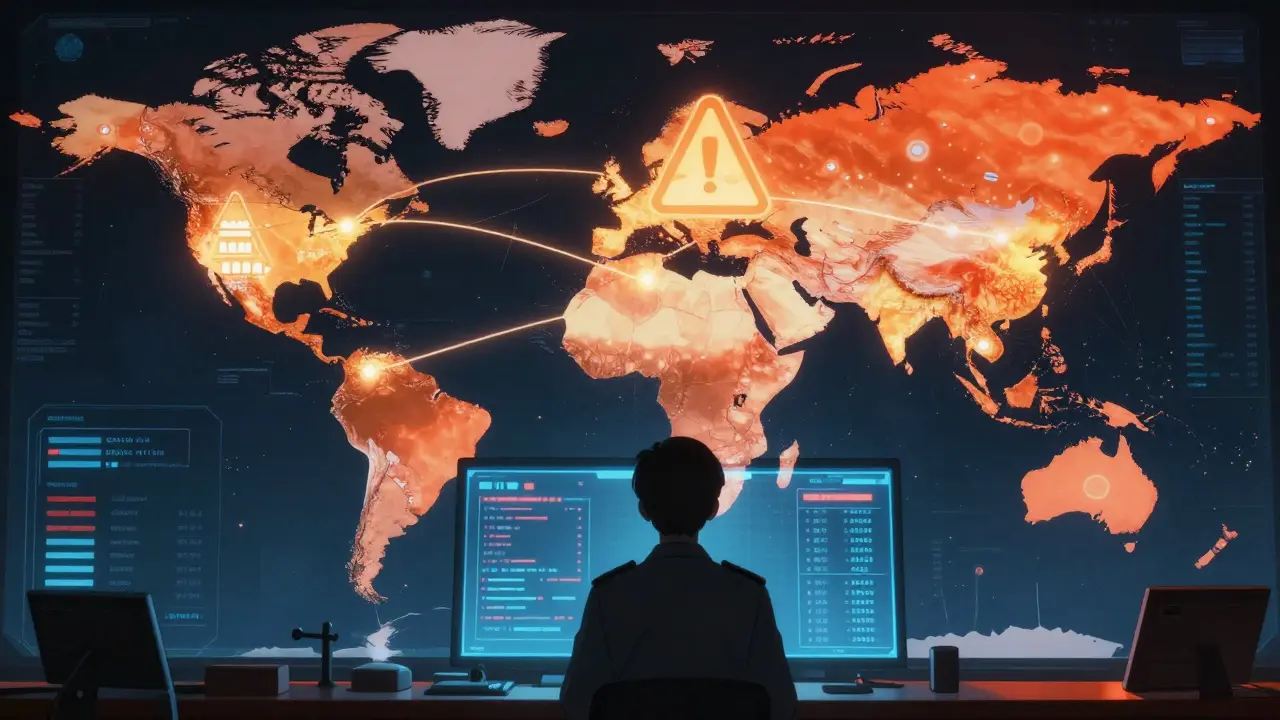
A significant factor in contamination risk is globalization. About 80% of active pharmaceutical ingredients (APIs) for U.S. drugs are manufactured overseas, primarily in India and China. While these countries produce high-quality generics, the distance and complexity introduce vulnerabilities.
FDA inspection data reveals disparities. In 2022, Indian generic manufacturers showed a 12.7% rate of contamination-related observations compared to 6.4% for U.S.-based facilities. Older facilities built before 2000 generally show a 34% higher contamination risk due to outdated infrastructure. Vertical integration-where a company controls both API production and final formulation-has been shown to reduce contamination incidents by 22%. When multiple companies handle different stages, tracking becomes harder, and accountability can blur.
The 2018-2019 valsartan crisis highlighted these risks vividly. Nitrosamine impurities, which are potential carcinogens, were found in 22 generic manufacturers across eight countries. This led to 2,317 product recalls and $1.2 billion in economic losses. The incident forced regulators worldwide to mandate enhanced screening. Today, mandatory nitrosamine testing for all sartan-class drugs is required, demonstrating how past failures drive future prevention strategies.
Future Outlook: Technology and Regulation
The landscape of drug safety is evolving rapidly. Technology is moving from manual checks to automated intelligence. The FDA plans to implement AI-powered environmental monitoring systems by 2024. These systems will analyze over 15,000 data points per facility to predict contamination risks with 89% accuracy. Imagine a system that alerts you to a humidity spike in a cleanroom before it affects the product-that’s the future of quality control.
Industry analysts project that contamination-related recalls will decrease by 40% by 2027 thanks to these technological advances and stricter regulatory frameworks. However, supply chain complexity will maintain a baseline level of risk. As Dr. Scott Gottlieb noted, "the globalization of pharmaceutical supply chains has created contamination risks that outpace our current inspection capabilities." With the FDA inspecting only 1% of imported drug products for impurities, reliance on robust internal controls by manufacturers remains essential.
For stakeholders, the message is clear: vigilance cannot relax. Whether you are a patient checking your medication, a pharmacist verifying authenticity, or a manufacturer designing a new line, understanding the mechanics of contamination is the first step toward ensuring safety. The goal is not just compliance, but a culture of quality where every action protects the end-user.
What is the most common type of contamination in generic drugs?
The most common types are microbial contamination (bacteria, mold) and chemical cross-contamination from previous manufacturing batches. Microbial issues often stem from inadequate cleaning or environmental control, while chemical cross-contamination occurs when potent residues from one drug transfer to another via shared equipment.
How do I know if my generic medication is contaminated?
Visible signs may include unusual discoloration, strange odors, or physical defects like cracks or specks. However, many contaminants are invisible. If you experience unexpected side effects or adverse reactions, contact your pharmacist immediately and report the issue to the FDA’s MedWatch system. Do not stop taking prescribed medication without consulting your doctor.
Are generic drugs less safe than brand-name drugs due to contamination?
No. Both generic and brand-name drugs must meet identical FDA quality and safety standards. However, generic manufacturers often operate with narrower profit margins, which can impact investment in cutting-edge quality control technologies. Additionally, the globalized supply chains for generics can introduce more complex contamination vectors, requiring rigorous oversight.
What is GMP and why is it important for preventing contamination?
Good Manufacturing Practices (GMP) are a set of guidelines and regulations that ensure products are consistently produced and controlled according to quality standards. GMP covers all aspects of production, from raw materials and facility design to personnel training and cleaning validation. It is the foundational framework for preventing contamination in pharmaceutical manufacturing.
How does the FDA monitor generic drug quality?
The FDA monitors quality through regular inspections of manufacturing facilities, review of Abbreviated New Drug Applications (ANDAs), and post-market surveillance via systems like MedWatch. They also use advanced tools like the PREDICT system to screen imports for potential risks. However, due to resource constraints, the FDA inspects only a small percentage of imported products directly, relying heavily on manufacturer compliance and self-reporting.

Justina Ingram
May 14, 2026 AT 12:01ugh this is so scary lol :/ i never even thinkbout it but like if ppl r shedding skin cells everywhere how clean can it really be?? im gonna start checking my pills for specks now thx for the info but also thanks for ruining my lunch
amit kumar
May 16, 2026 AT 04:13Hello everyone! 👋 It is fascinating to see how much goes into making sure our medicine is safe. In India, we are actually working hard to improve these standards because we supply a lot of APIs globally. The ISO Class 5 requirement for sterile products is something we take very seriously in our labs here. It is great to see transparency about the risks involved because it helps us all stay informed and healthy together! 🌍💊
Javier Arauz
May 16, 2026 AT 10:55This whole reliance on foreign manufacturing is a disaster waiting to happen. We should be making our own drugs in America, not trusting factories in other countries that have half the safety checks. The FDA is asleep at the wheel letting this garbage through. Bring the jobs back and keep the poison out.
Jeremiah Cassandra
May 17, 2026 AT 19:51Ah yes, the classic 'trust me bro' approach to pharmaceutical regulation 😂. You think the FDA is sleeping? They're barely awake enough to process the paperwork for the recalls they already missed. The idea that 'closed isolator systems' fix everything is cute, but let's be honest, human error is inevitable and profit margins are thinner than the coating on those generic pills. 🎩🎪
Kris Wong
May 17, 2026 AT 22:23Wake up sheeple! 🚨 This isn't an accident. The contamination is intentional. They want to weaken the population with micro-doses of toxins while you argue about politics. The nitrosamine crisis was just a test run. Look at the dates, look at the companies involved. It's all connected. Don't let them drug you into submission! 👁️👄👁️
Danny S
May 19, 2026 AT 08:32The statistical anomalies in the recall data are too consistent to be random chance. :o The correlation between specific overseas facilities and contamination events suggests a systemic failure or perhaps worse, negligence driven by cost-cutting measures that prioritize shareholder value over human life. The 1% inspection rate is not a bug; it is a feature of a broken system designed to fail silently until it can no longer hide. :(
Tanya KLIMCHUK Klimchuk
May 19, 2026 AT 16:06I work in pharmacy and I can tell you that the blue speck issue mentioned in the post is REAL. We had a batch come in last month that looked totally off. We sent it back immediately. Pharmacists are the last line of defense here. If your pill looks weird, smells bad, or tastes different than usual, DO NOT TAKE IT. Call your pharmacist. We deal with this stuff daily and it’s terrifying how close some batches come to slipping through. Stay vigilant people! 💪
Warren Brewer
May 21, 2026 AT 06:49Good info here. Simple truth is if it costs less to make, corners get cut. That is just how business works. You pay for quality. Generic is good for budget but maybe not for peace of mind. Check your meds.
Anthony Red
May 22, 2026 AT 04:32Hey guys, just wanted to chime in because I've been reading up on GMPs lately. It's wild to think that humans shed 40k skin cells a minute. That's why the gowning procedures are so strict. It's not just about looking cool in a lab coat; it's about physics and biology fighting against each other. The closed isolator systems mentioned are pretty standard now for potent drugs, but older facilities still struggle with the retrofitting costs. It's a huge investment for sure.
charles robert
May 23, 2026 AT 05:57We live in a society where we swallow chemical compounds manufactured by strangers in distant lands and expect nothing to go wrong. 🤡 The fragility of modern existence is laid bare in every blister pack. Is safety an illusion constructed by regulatory bodies to maintain social order? Or is it merely the temporary pause before the next inevitable collapse of trust? The pill is a metaphor for our blind faith in systems that cannot possibly know us. 💊📉
Mark Ronson
May 23, 2026 AT 08:46As someone who has worked in quality assurance for years, I can confirm that cleaning validation is indeed the most critical step. Swab testing with 95% confidence intervals is the gold standard, but as Dr. Kopcha noted, 10 ppm might not be enough for highly potent compounds. The industry is moving towards product-specific criteria which is a good thing. However, the pressure from management to speed up changeovers often leads to shortcuts. Vigilance is key. Typos aside, hope this helps!
Mikey Mann
May 24, 2026 AT 05:25It is interesting to consider the philosophical implications of risk. We accept a certain level of uncertainty in our lives, but when it comes to health, we demand absolute certainty which is impossible. The generic drug market is a testament to our collective willingness to trade marginal safety for economic accessibility. Perhaps the real question is not how to eliminate contamination, but how we define acceptable risk in a globalized world. 🤔
Mollie Louise
May 24, 2026 AT 06:55I love how detailed this guide is! 🌟 It really highlights the importance of understanding the journey of our medications from factory to shelf. The fact that personnel contribute up to 80% of particles in cleanrooms is such a powerful reminder that human behavior plays a massive role in safety protocols. We need to continue supporting stricter regulations and better training programs for all employees in these facilities because every single person matters in the chain of custody! Let's keep pushing for higher standards everywhere! 💖✨
Christina Moran
May 25, 2026 AT 23:14im from the uk and we have similar issues here with imports. its crazy how many pills come from india and china. i always worry about the shipping conditions too. does heat affect the contamination risk? i feel like nobody talks about that part. anyway thanks for sharing this info it was helpful even if it made me nervous lol