
Effectiveness: Understanding How Well Treatments Work
When assessing effectiveness, the ability of a medication or therapy to achieve its intended health result. Also known as clinical efficacy, it guides doctors, patients, and regulators in choosing the right option. This is the core effectiveness measure that matters to everyone making health decisions.
Clinical efficacy, measured through trials that compare the drug to placebo or standard care provides the data backbone for judging effectiveness. Treatment outcomes, such as symptom relief, disease remission, or quality‑of‑life improvements translate the numbers into real‑world benefits. At the same time, Side effects, any unwanted reactions that patients may experience can lower perceived effectiveness, because a drug that works but harms often gets rejected. A thorough drug comparison, systematic review of multiple options helps pinpoint which treatment delivers the best balance of outcome and safety.
What You’ll Find Below
The articles that follow tackle effectiveness from many perspectives – how balance exercises cut motion‑sickness dizziness, how potassium levels interact with blood‑pressure combos, detailed Parkinson’s drug match‑ups, and the mental‑health impact of inhaled steroids. Whether you need practical tips, safety checks, or side‑by‑side drug reviews, this collection gives you the evidence you need to judge true effectiveness.
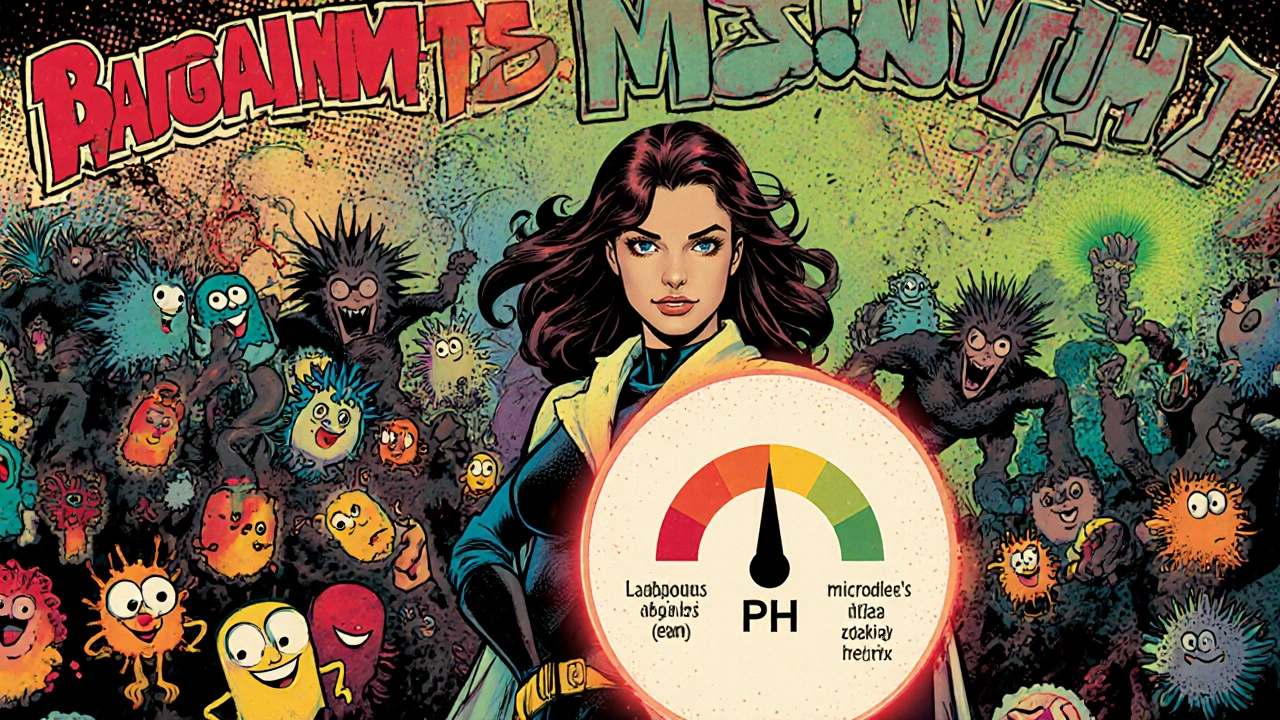
Explore the most common natural remedies for bacterial vaginosis, their scientific backing, safety tips, and how to use them effectively.
Recent-posts

Jan, 7 2026
Jul, 3 2026

Oct, 10 2025
Jan, 26 2026
Jan, 8 2026
Categories
Tags
- online pharmacy
- drug interactions
- side effects
- generic drugs
- online pharmacy UK
- medication safety
- GoodRx coupons
- online pharmacy safety
- safe online pharmacy
- prescription medication
- drug safety
- opioid side effects
- medication timing
- pill organizer
- generic medications
- medication adherence
- prescription requirements
- Tadalafil
- arthritis medication
- buy medication online