
Drug Administration: How Medications Work in Your Body and What You Need to Know
When you take a pill, injection, or inhaler, you’re not just swallowing a substance—you’re starting a complex journey inside your body. This process is called drug administration, the method by which a medication is delivered into the body to produce a therapeutic effect. Also known as route of administration, it determines how fast the drug works, how strong it gets, and whether it causes side effects. A drug given orally might take 30 minutes to kick in. The same drug injected straight into a vein? It hits your bloodstream in seconds. Getting this wrong can mean your medicine doesn’t work—or worse, it harms you.
Drug absorption, how your body takes in the medication after it’s given is just as important as how you take it. Taking levothyroxine with food? It won’t absorb properly. Taking NSAIDs on an empty stomach? You might end up with an ulcer. Even something as simple as whether you take your blood pressure pill in the morning or at night changes how well it controls your numbers. And then there’s drug interactions, when one medicine changes how another behaves in your body. A common antibiotic can make birth control fail. Grapefruit juice can turn a cholesterol drug into a danger. These aren’t rare edge cases—they happen every day.
Doctors and pharmacists don’t just hand you a prescription and hope for the best. They consider your age, your liver and kidney function, what else you’re taking, and even your diet. That’s why switching from brand to generic drugs isn’t always as simple as saving money. Why some people get terrible side effects from iron pills while others don’t. Why a steroid cream might help a scar but wreck a fresh burn. Medication safety, the practice of using drugs correctly to avoid harm isn’t about following rules blindly. It’s about understanding how your body and your meds interact.
You’ll find real stories here—not theory. Like how a man with multiple sclerosis found relief with avanafil after other ED drugs failed. Or how a woman with liver cirrhosis avoided deadly bleeding thanks to beta-blockers and banding. You’ll see why people on amiodarone need regular liver checks, why e-prescribing can cause new kinds of errors, and how reporting a bad reaction to a generic drug can help fix the system. This isn’t about memorizing drug names. It’s about knowing what to ask, what to watch for, and when to speak up.
Whether you’re managing chronic pain, taking antibiotics during pregnancy, or just trying to avoid a bad reaction, how you take your medicine matters more than you think. The posts below give you the facts you need to make smarter choices—no jargon, no fluff, just what works and what doesn’t.
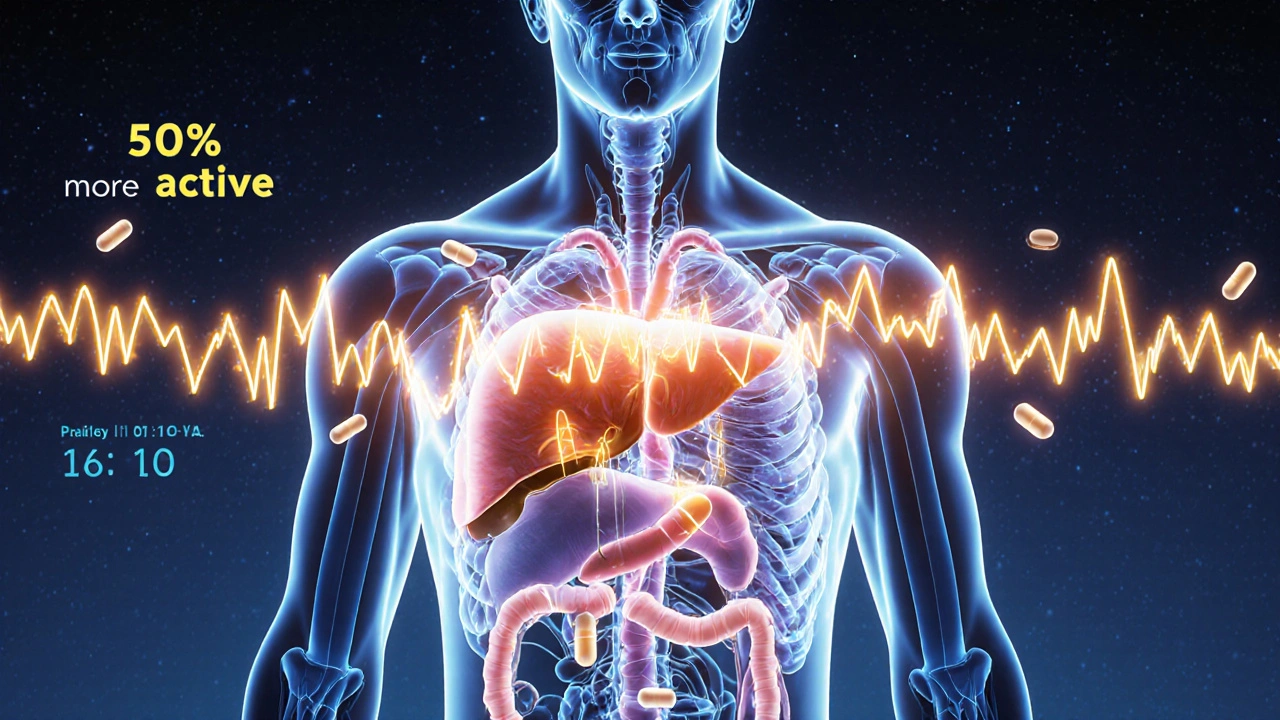
The time you take your medication can significantly impact how well it works and how many side effects you experience. Learn which drugs need strict timing, why your body's internal clock matters, and how to reduce risks without changing your prescription.
Recent-posts

Dec, 12 2025

Dec, 17 2025

Apr, 25 2025

Mar, 4 2026

Sep, 24 2025
Categories
Tags
- online pharmacy
- side effects
- drug interactions
- generic drugs
- online pharmacy UK
- drug safety
- opioid side effects
- pill organizer
- Tadalafil
- arthritis medication
- buy medication online
- prescription medication
- quit smoking
- motion sickness
- Sildenafil
- Vardenafil
- ED medication alternatives
- biologics
- medication safety
- generic medication prices