
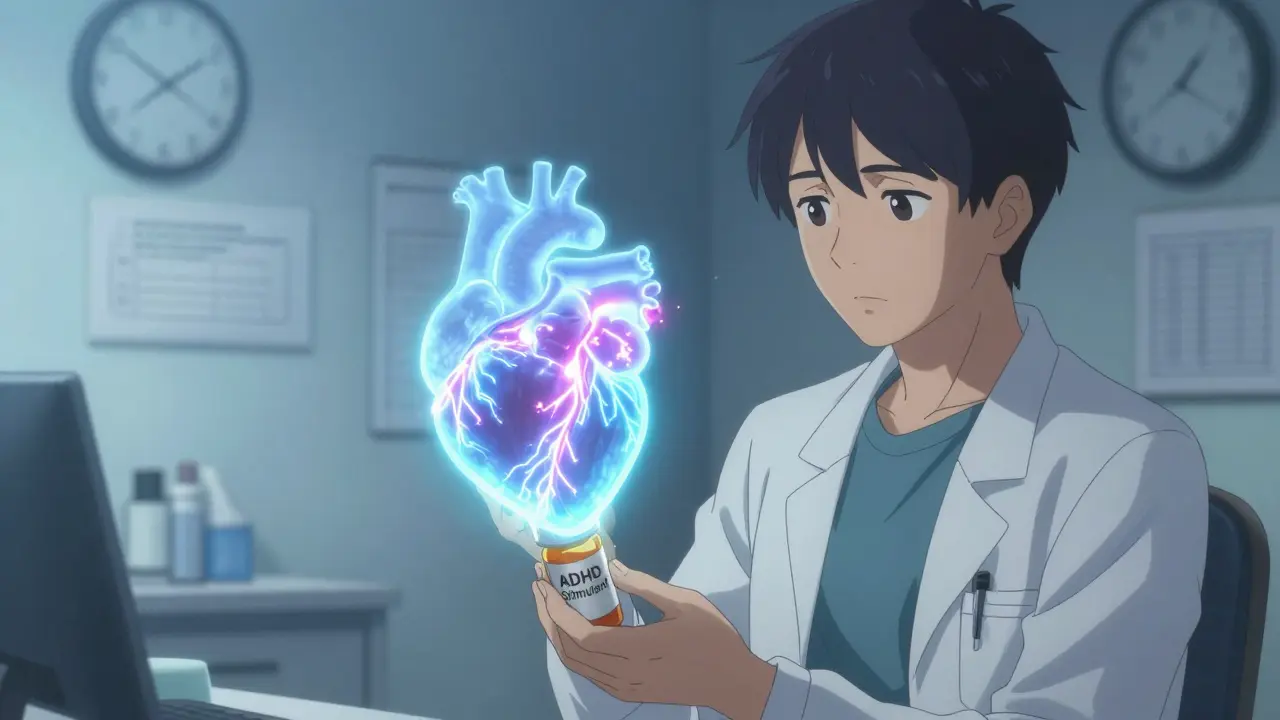
Stimulant Cardiac Risk Assessment Tool
Stimulant Cardiac Risk Assessment
This tool helps you understand your personal risk factors for cardiac arrhythmias when considering stimulant medications for ADHD. Based on the article content, your assessment is purely informational and should not replace professional medical advice.
Enter Your Information
When someone starts taking a stimulant medication for ADHD, they’re usually focused on feeling more focused, less impulsive, and in control. But beneath that improved daily function lies a quieter, less talked-about question: could this be affecting my heart? It’s not a fear that should stop treatment - for most people, the benefits far outweigh the risks. But it’s a question that deserves a clear, honest answer, especially when you’re weighing your options.
How Stimulants Can Affect Heart Rhythm
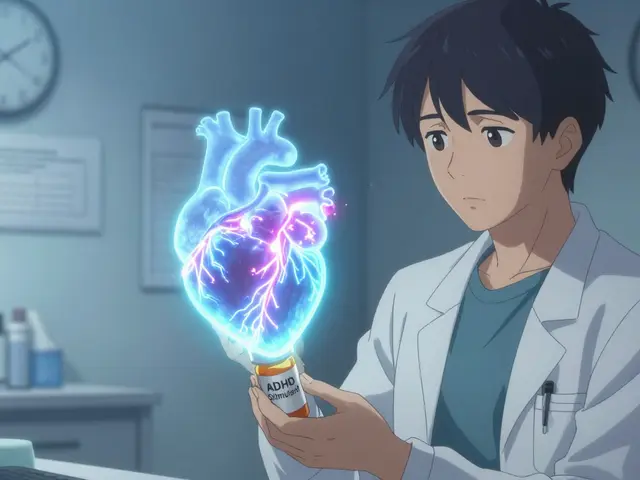
Stimulants like Adderall, Ritalin, and Vyvanse work by boosting dopamine and norepinephrine in the brain. That’s why they help with attention and focus. But those same chemicals also hit the heart. They make it beat faster, push blood harder through the vessels, and can change how electrical signals move through heart muscle. Most people see only a small increase - maybe 1 to 2 extra beats per minute, and a slight rise in blood pressure. That’s normal. But for some, especially those with hidden heart conditions, those small changes can trigger something much more serious: an arrhythmia. That’s when the heart’s rhythm gets out of sync - skipping beats, racing too fast, or firing erratically. The real danger isn’t just from prescription pills. Illicit stimulants like cocaine and methamphetamine are far more dangerous. They don’t just speed up the heart - they directly block the ion channels that control how electricity flows through heart cells. Cocaine blocks sodium and potassium channels, which can stretch out the QT interval on an ECG. Methamphetamine does the same, plus it messes with calcium flow. These changes can lead to early after-depolarizations - tiny, abnormal electrical sparks that can spiral into dangerous rhythms like ventricular tachycardia or even sudden cardiac arrest.Who’s at Risk?
Not everyone is at equal risk. The biggest red flags come from personal and family history.- Unexplained sudden death in a close relative before age 50
- A personal history of fainting, chest pain, or palpitations during exercise
- Known heart conditions like long QT syndrome, hypertrophic cardiomyopathy, or congenital heart defects
- Older adults (66+) starting stimulants for the first time - one 2021 study found their risk of ventricular arrhythmia tripled within 30 days
What Doctors Do Before Prescribing
You won’t always get an ECG before starting a stimulant. The American Heart Association and American Academy of Pediatrics agree: routine ECG screening isn’t necessary for everyone. Instead, they recommend a thorough history and physical. That means your doctor will ask:- Has anyone in your family died suddenly before age 50?
- Have you ever passed out during exercise or felt your heart racing without reason?
- Do you have a known heart condition or have you ever been told you have a heart murmur?
When to Stop or Switch
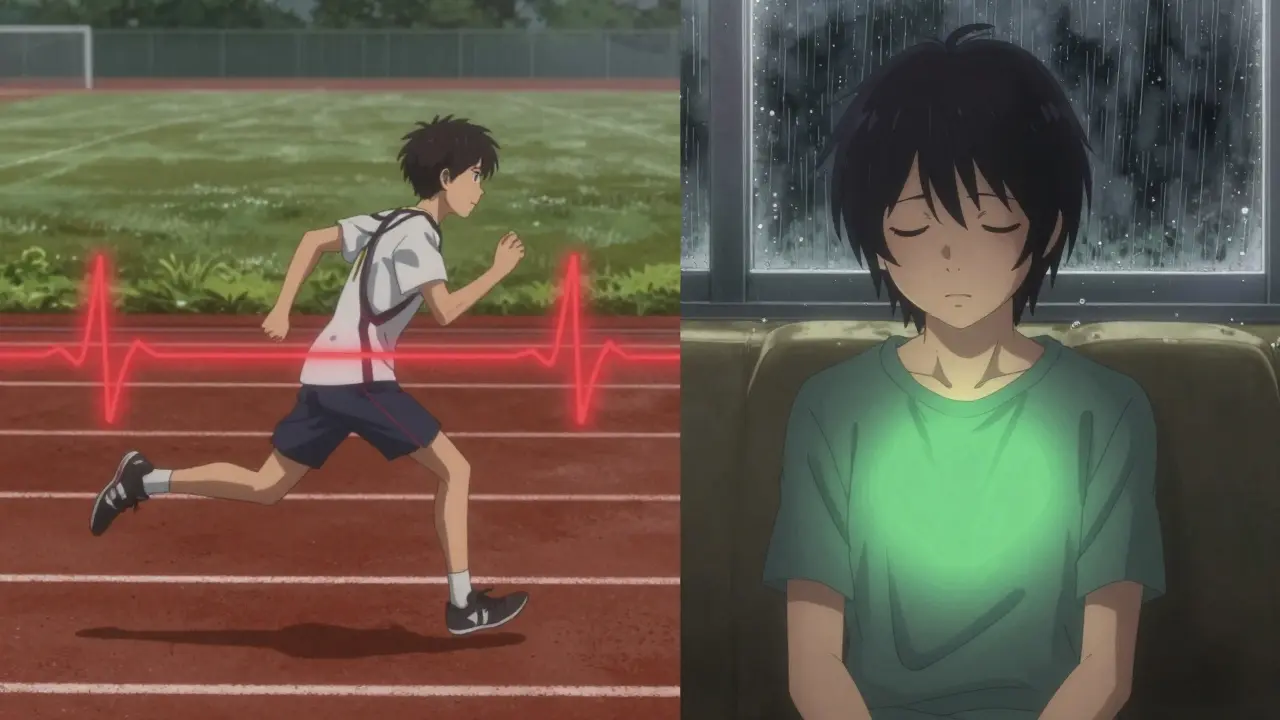
You don’t have to live with side effects. If you start a stimulant and notice:- Heart palpitations that don’t go away
- Chest discomfort or shortness of breath with mild activity
- Dizziness or fainting spells
- An ECG showing a QT interval longer than 0.46 seconds
Non-Stimulant Alternatives
If your heart is a concern, there are effective alternatives. They’re not as fast-acting or as powerful as stimulants, but they work well for many people.- Atomoxetine (Strattera): A non-stimulant that works on norepinephrine. It takes 4 to 8 weeks to reach full effect, but it doesn’t raise heart rate or blood pressure like stimulants do. Response rates are around 50-60% - lower than stimulants, but still meaningful.
- Guanfacine (Intuniv) and Clonidine (Kapvay): Originally blood pressure medications, they help with focus and impulse control by calming the nervous system. They’re often used in kids and teens, especially those with anxiety or sleep issues. Side effects include drowsiness and low blood pressure, but they’re generally safe for the heart.
The Bigger Picture
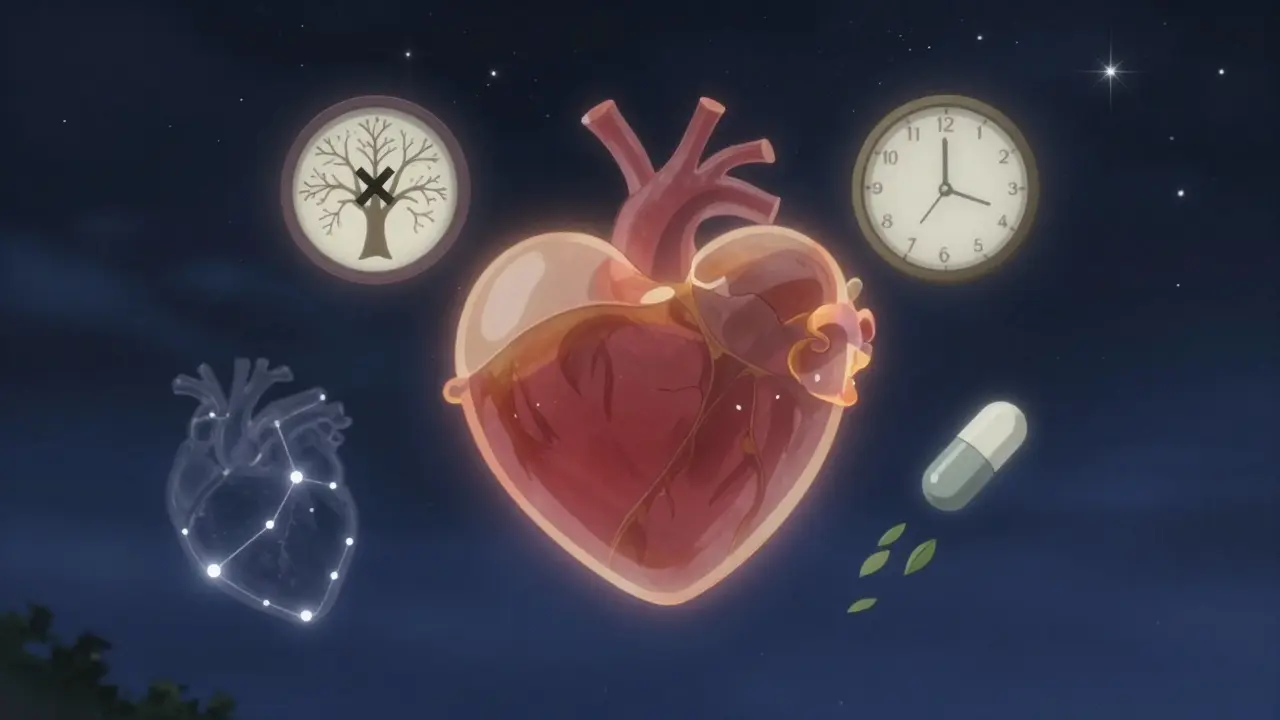
Stimulant medications for ADHD are among the most studied drugs in modern psychiatry. Over 6 million children in the U.S. alone are prescribed them. The global market is worth billions. Regulatory agencies - the FDA, the EMA, the AAP - all agree: the benefits for most people outweigh the risks. But that doesn’t mean the risks are zero. It means we need smarter, more personalized approaches. The future of ADHD care isn’t about blanket rules. It’s about matching the right treatment to the right person - using family history, baseline heart checks, and ongoing monitoring to keep people safe while still helping them thrive.Frequently Asked Questions
Do I need an ECG before starting an ADHD stimulant?
No, routine ECGs aren’t required for everyone. The American Heart Association and American Academy of Pediatrics recommend a detailed medical history and physical exam instead. An ECG is only needed if you have symptoms like fainting, chest pain, a family history of sudden death, or if your doctor detects an abnormal heart rhythm or high blood pressure.
Can stimulants cause permanent heart damage?
In most cases, no. The changes to heart rhythm or blood pressure caused by stimulants are usually temporary and reverse when the medication is stopped. However, long-term use of illicit stimulants like cocaine or methamphetamine can lead to lasting structural changes in the heart, such as cardiomyopathy or scarring, which may increase arrhythmia risk permanently. Prescription stimulants, when used as directed, rarely cause permanent damage.
Are some ADHD medications safer for the heart than others?
Yes. Methylphenidate-based medications (like Ritalin or Concerta) tend to have slightly lower cardiovascular effects than amphetamine-based ones (like Adderall or Vyvanse). This is because amphetamines cause a more pronounced release of norepinephrine, which affects the heart more strongly. For people with cardiac risk factors, methylphenidate is often preferred. Non-stimulants like Strattera, Intuniv, or Kapvay are even safer for the heart.
What should I do if I feel my heart racing after taking my ADHD medication?
Don’t panic, but don’t ignore it. Keep a log of when it happens - after a dose? During stress? After caffeine? Then talk to your prescriber. They may adjust your dose, switch medications, or suggest monitoring your heart rhythm with a simple ECG or a wearable monitor. In most cases, this is manageable without stopping treatment entirely.
Is it safe to take stimulants if I have high blood pressure?
It depends. If your blood pressure is well-controlled with medication and you have no other heart issues, stimulants can often be used safely with close monitoring. If your blood pressure is uncontrolled or consistently above the 95th percentile for your age, stimulants are usually avoided. Your doctor may start you on a non-stimulant instead or work with a cardiologist to stabilize your blood pressure first.



trudale hampton
March 20, 2026 AT 06:32Man, this post really laid it out without the fluff. I’ve been on Vyvanse for 7 years and never thought twice about my heart until my doc mentioned it during a routine checkup. Turned out my BP was creeping up-nothing crazy, but enough to make us switch to methylphenidate. Still works, just less jittery.
Also, big up to the doc who actually asked about family history. My uncle dropped dead at 42 from an undiagnosed arrhythmia. Nobody ever connected the dots until now.
Shaun Wakashige
March 20, 2026 AT 08:55lol just dont do drugs lol
Paul Cuccurullo
March 21, 2026 AT 23:23This is one of the most thoughtful, balanced, and clinically grounded pieces I’ve read on ADHD treatment in years.
It’s not just about efficacy-it’s about dignity. The dignity of knowing your body, respecting its limits, and choosing care over convenience.
We live in a world that glorifies speed, focus, and productivity-but true health is measured in stability, not stimulation.
Thank you for writing this. It’s rare to see science paired with such quiet humanity.
Solomon Kindie
March 23, 2026 AT 21:44so stimulants are bad for heart but also good for focus so what do we do lmao
also why is everyone so scared of a 0.3% risk like its a bomb
we drive cars with 0.1% chance of dying every day
and we still go to starbucks
the real risk is not taking meds and then failing your job and your life
just saying
also i think the study they cited was funded by big pharma but i dont have a link so take it with a grain of salt
Natali Shevchenko
March 24, 2026 AT 11:08I’ve been thinking about this a lot since my sister was diagnosed with long QT syndrome last year. She’s 24, never had symptoms, but the genetic test changed everything.
She’s now on Strattera. Took three months to work, and yeah, it’s not as sharp as Adderall-but she hasn’t had a single episode of palpitations since. And she’s finally sleeping through the night.
The trade-off isn’t just medical. It’s emotional. For her, peace of mind is more valuable than hyperfocus.
I wish more doctors talked about that part-the quiet cost of ‘just pushing through’.
Johny Prayogi
March 25, 2026 AT 09:41YES. Finally someone gets it. 😊
I was on Adderall for 4 years. Felt amazing. Then one day during a workout, my heart felt like it was trying to escape my chest. Went to the doc-ECG showed borderline prolonged QT. Switched to Guanfacine. Took 6 weeks. Now I’m calmer, more focused, and my BP is normal.
Stop treating ADHD meds like coffee. They’re pharmacological tools. Handle with care. 💪🧠
Chris Dwyer
March 27, 2026 AT 02:48Big respect to the author for writing this without fear or hype.
I’m a therapist who works with teens on stimulants. So many parents panic when they hear ‘heart risk’-but they don’t know what to look for. This post gives them real signs: fainting, chest pain with activity, family history.
And yes, non-stimulants work. Not as fast, not as flashy-but they work. And they let kids live without a ticking clock in their chest.
Let’s stop the stigma around non-stimulant options. They’re not ‘second choice.’ They’re smart choice.
Timothy Olcott
March 27, 2026 AT 20:54AMERICA NEEDS TO STOP OVERMEDICATING KIDS
THEY JUST NEED TO RUN AROUND AND PLAY OUTSIDE LIKE WE DID IN THE 90S
STIMULANTS ARE JUST A WAY FOR CORPORATIONS TO MAKE MONEY
MY DAD WAS A VET AND HE SAID 90% OF ADHD IS JUST BAD PARENTING
STOP GIVING DRUGS TO CHILDREN
THEY’LL BE FINE IF YOU JUST YELL AT THEM A LITTLE MORE
Desiree LaPointe
March 28, 2026 AT 19:44Oh honey, you mean the same ‘science’ that told us trans fats were healthy and cigarettes were good for you?
Let me guess-this was written by someone who gets a commission every time a psychiatrist writes a prescription.
‘Tripling a 0.1% risk’? Darling, that’s still a 300% increase. And you’re telling me we shouldn’t be alarmed?
I’ve seen too many kids on Adderall turn into anxious, twitchy zombies who can’t sleep, eat, or feel joy without a pill. But sure, let’s keep monetizing childhood.
Jackie Tucker
March 28, 2026 AT 20:20How quaint. A 12-page treatise on cardiac risk, and not a single mention of dopamine receptor downregulation, or the fact that long-term stimulant use fundamentally alters reward pathways in the prefrontal cortex.
It’s not just the heart, darling. It’s the soul.
And yet, here we are-reducing existential questions about selfhood, autonomy, and chemical dependency to ‘QT intervals’ and ‘blood pressure percentiles.’
How very… clinical.
Thomas Jensen
March 29, 2026 AT 18:03They’re lying. The FDA knows stimulants cause sudden death. They just don’t want to admit it because Big Pharma owns them.
I know a guy who died after taking Adderall. His death certificate said ‘natural causes.’ Bullshit.
They’re covering it up. Watch the news. They’ll silence anyone who talks about it. The military uses these drugs on soldiers. Why? To make them obedient.
Wake up. The system is poisoning us to control us.
matthew runcie
March 31, 2026 AT 07:58Good post. Clear. No drama.
I’ve been on Ritalin since 18. No issues. But I get checked every year. BP, ECG, talk to doc.
Simple. Smart.
Not every risk is a crisis. Not every precaution is paranoia.
shannon kozee
April 1, 2026 AT 11:57Strattera took 8 weeks for me too. But I didn’t feel like a zombie afterward. No jitter, no crash, no sleepless nights. Worth the wait.
Also-yes, family history matters. My dad had a pacemaker at 49. I asked my doc before starting meds. Best decision I made.
Nicole James
April 3, 2026 AT 05:55Did you know that the FDA approved Vyvanse in 2007... and within 18 months, over 400 adverse event reports were filed for cardiac arrest? And yet, they still say it’s ‘safe’?
They’re using ‘relative risk’ to hide the absolute danger. They don’t want you to know that 0.3% could be YOUR child.
And why do they never mention that stimulants are classified as Schedule II drugs-same as cocaine? Because if you think about that, you might stop.
Trust no one. Especially not your ‘doctor’.
Nishan Basnet
April 4, 2026 AT 15:52This is beautifully written. As someone from India, where ADHD is still heavily stigmatized and rarely diagnosed, I’m glad to see this kind of nuanced discussion.
My cousin, who lives in the U.S., was on Adderall for years. She never had symptoms-but after her mom had a stroke at 52, they did genetic testing. Turns out she carries the same mutation. Now she’s on Intuniv.
It’s not about fear. It’s about awareness. And this post gives people the tools to ask the right questions.
Thank you.