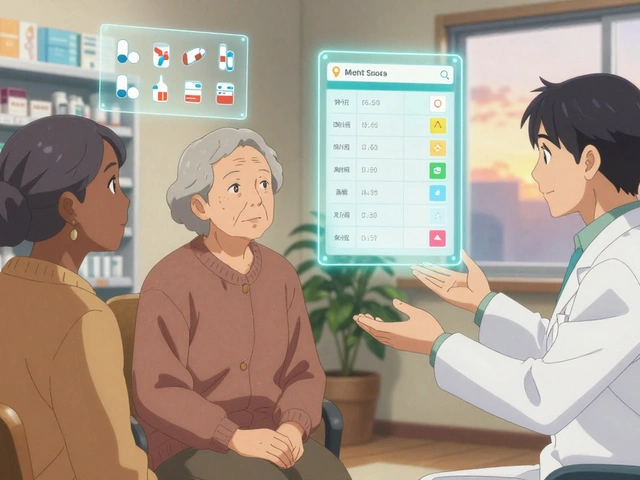

Managing diabetes isn't just about lowering blood sugar; it's about doing so without causing harm. You might be taking insulin or an oral agent designed to regulate glucose levels in type 1 and type 2 diabetes, but did you know that medication errors and adverse reactions are a leading cause of hospital visits for people with diabetes? The landscape of diabetes care has changed dramatically since the discovery of insulin in 1921. Today, we have ten distinct classes of oral agents and various insulin formulations. While these tools save lives, they come with specific risks-like severe low blood sugar (hypoglycemia), kidney strain, or unexpected infections-that require your active attention.
This guide cuts through the medical jargon to explain exactly what can go wrong with common diabetes drugs. We’ll look at who is most at risk, how different medications interact with your body, and the practical steps you can take to stay safe. Whether you’ve been diagnosed yesterday or have lived with diabetes for decades, understanding these safety nuances could prevent a serious health event.
The Hidden Danger of Low Blood Sugar (Hypoglycemia)
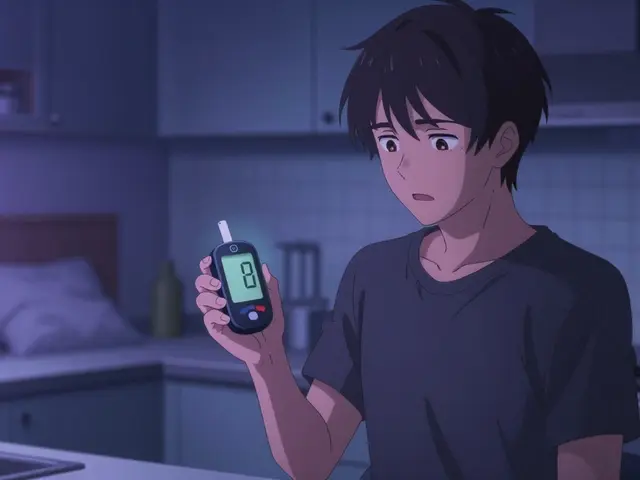
If there is one safety concern that dominates diabetes medication management, it is hypoglycemia. This is when your blood sugar drops too low, typically below 70 mg/dL. It’s not just uncomfortable; it can be life-threatening if it leads to seizures, loss of consciousness, or falls.
Not all diabetes drugs carry the same risk here. Sulfonylureas (such as glyburide, glipizide, and glimepiride) and insulin secretagogues that stimulate the pancreas to release more insulin are notorious for causing lows. Studies show that 20-40% of patients on sulfonylureas experience hypoglycemia, with 1-7% suffering severe episodes requiring help from others. Even scarier? Continuous glucose monitoring reveals that 30% of well-controlled patients on these drugs suffer from asymptomatic nocturnal hypoglycemia-meaning you could be dangerously low while sleeping and never know it until morning.
Who is most at risk?
- Older adults: People over 65 are significantly more likely to experience frequent and severe hypoglycemic reactions. Their bodies clear medications slower, and tight glycemic control targets may be too aggressive for them.
- Those with irregular eating habits: If you skip meals or delay eating after taking a sulfonylurea or rapid-acting insulin, your blood sugar can plummet.
- Patients with kidney disease: Impaired kidneys struggle to filter out these medications, leading to drug buildup in the system.
To mitigate this, experts recommend using continuous glucose monitors (CGMs) if possible, setting alarms for low thresholds, and carrying fast-acting carbs (like glucose tabs) at all times. For older adults, doctors often prefer agents with lower hypoglycemia risk, such as metformin or DPP-4 inhibitors, over sulfonylureas.
Metformin: Safe, But Not for Everyone
Metformin is the gold standard first-line treatment for type 2 diabetes, prescribed in approximately 83 million prescriptions annually in the US alone. It’s effective, cheap, and generally doesn’t cause low blood sugar. However, it has a critical safety constraint related to your kidneys.
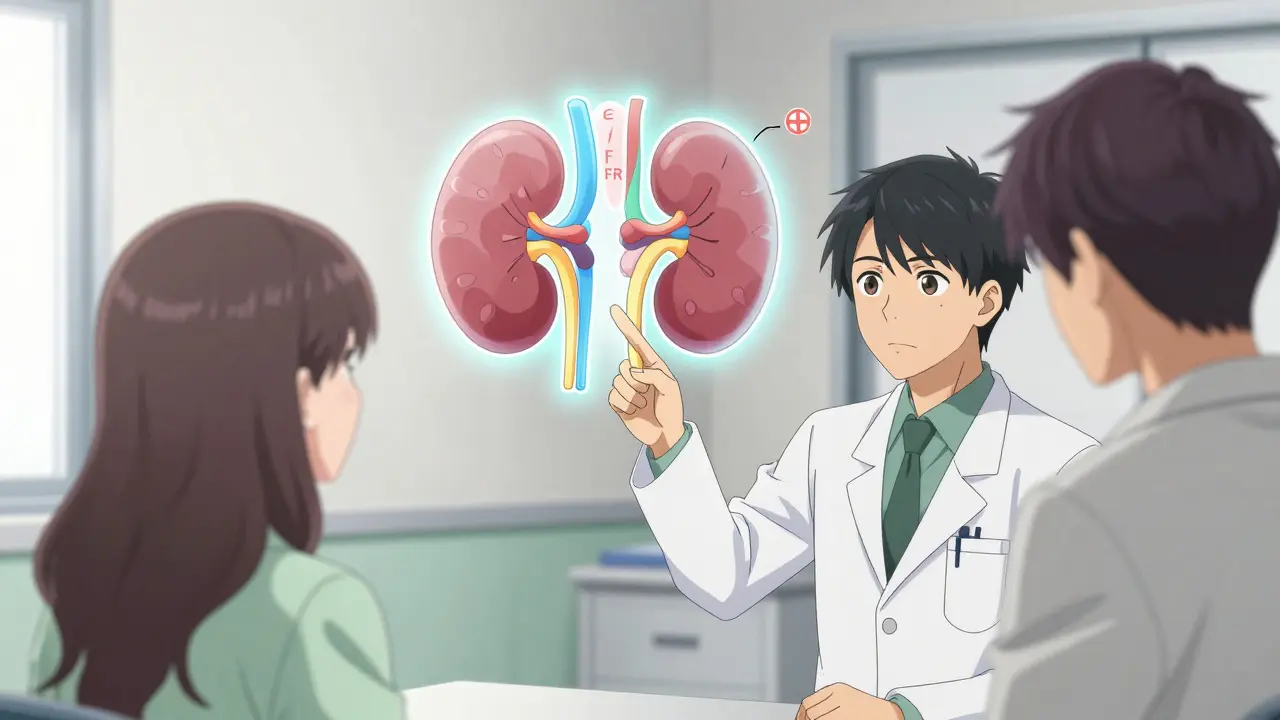
Metformin carries a rare but serious risk of lactic acidosis-a buildup of lactic acid in the bloodstream. This risk skyrockets if your kidneys aren’t working properly. Therefore, your estimated Glomerular Filtration Rate (eGFR) dictates whether you can safely take it:
| eGFR Level (mL/min/1.73m²) | Recommendation |
|---|---|
| >60 | Safe to use at standard doses. |
| 45-60 | Use with caution; consider dose reduction. |
| 30-45 | Use only if benefits outweigh risks; monitor closely. |
| <30 | Contraindicated (Do not use). |
If you have chronic kidney disease, always ask your doctor for your latest eGFR before starting or continuing metformin. Never ignore a lab result showing declining kidney function.
Newer Agents: SGLT2 Inhibitors and GLP-1 Agonists
In recent years, two new classes of drugs have gained popularity due to their heart and kidney benefits: SGLT2 inhibitors (like empagliflozin and dapagliflozin) and medications that help kidneys excrete excess glucose through urine, and GLP-1 receptor agonists (like semaglutide and liraglutide) which mimic gut hormones to slow digestion and increase insulin sensitivity.
While they rarely cause hypoglycemia, they introduce unique safety challenges.
SGLT2 Inhibitor Risks:
- Genital Yeast Infections: Because these drugs dump sugar into your urine, they create a breeding ground for yeast. About 4-5% of users report genital yeast infections compared to placebo. Good hygiene and staying hydrated can help, but recurrent infections may mean this drug isn’t right for you.
- Euglycemic Diabetic Ketoacidosis (DKA): This is a rare but dangerous condition where your body produces ketones even though your blood sugar isn’t extremely high. It can happen during surgery, extreme stress, or very low-carb diets. The American Association of Clinical Endocrinologists (AACE) recommends stopping SGLT2 inhibitors at least 24 hours before elective surgery and immediately for emergency procedures.
GLP-1 Agonist Risks:
- Gastrointestinal Distress: Nausea, vomiting, and diarrhea affect 30-50% of users, especially when starting or increasing doses. Starting low and going slow is key.
- Pancreatitis: Though rare, there is a warning regarding acute pancreatitis. Report severe abdominal pain immediately.
Insulin Safety: Beyond the Injection
For those with Type 1 diabetes or advanced Type 2, insulin is essential. But insulin safety goes beyond just injecting the right amount. Errors in administration are surprisingly common.
Concentration Confusion: Standard insulin is U-100 (100 units per mL). However, concentrated insulin like Humulin R U-500 exists for patients with extreme insulin resistance. Accidentally using a U-100 syringe for U-500 insulin-or vice versa-can lead to massive overdoses or underdoses. Always double-check the label on the vial and the pen.
Injection Site Rotation: Injecting into the same spot repeatedly causes lipohypertrophy (lumpy fat tissue), which absorbs insulin unpredictably, leading to erratic blood sugar swings. Rotate sites between your abdomen, thighs, buttocks, and arms. Avoid injecting into muscle, as this speeds up absorption and increases hypoglycemia risk.
Technology as a Safety Net: Automated Insulin Delivery (AID) systems, which connect a pump to a CGM, have shown superior safety profiles in clinical trials. They automatically adjust insulin delivery to prevent highs and lows, reducing the mental burden and error rate associated with manual dosing.
Drug Interactions: The Silent Threat
You might be careful with your diabetes meds, but what about other prescriptions? Drug interactions are a major cause of lost glucose control. According to Wolters Kluwer, the biggest concern is the potential for hypoglycemia when combining diabetes drugs with certain antibiotics, antidepressants, or beta-blockers.
Common Culprits:
- Sulfamethoxazole/Trimethoprim (Bactrim): This common antibiotic can potentiate insulin effects, leading to sudden lows.
- Beta-Blockers: Used for high blood pressure, these can mask the symptoms of hypoglycemia (like shaking or rapid heartbeat), making it harder to recognize a low.
- Corticosteroids: Prednisone and similar drugs raise blood sugar significantly, potentially requiring temporary adjustments to your diabetes regimen.
Always maintain an updated medication list and share it with every healthcare provider you see, including dentists and specialists. Ask specifically: "Could this new medication affect my blood sugar?"
Practical Safety Checklist for Daily Management
Safety isn't just about knowing the risks; it's about building habits. Here is a practical checklist to keep your diabetes management secure:
- Monitor Regularly: Check your blood sugar as directed. If you’re on insulin or sulfonylureas, check before driving, operating machinery, or exercising.
- Hydrate Well: Especially if you’re on SGLT2 inhibitors, dehydration increases the risk of kidney issues and DKA.
- Alcohol Moderation: Alcohol can interfere with liver glucose production and mask hypoglycemia symptoms. Avoid binge drinking and never drink on an empty stomach.
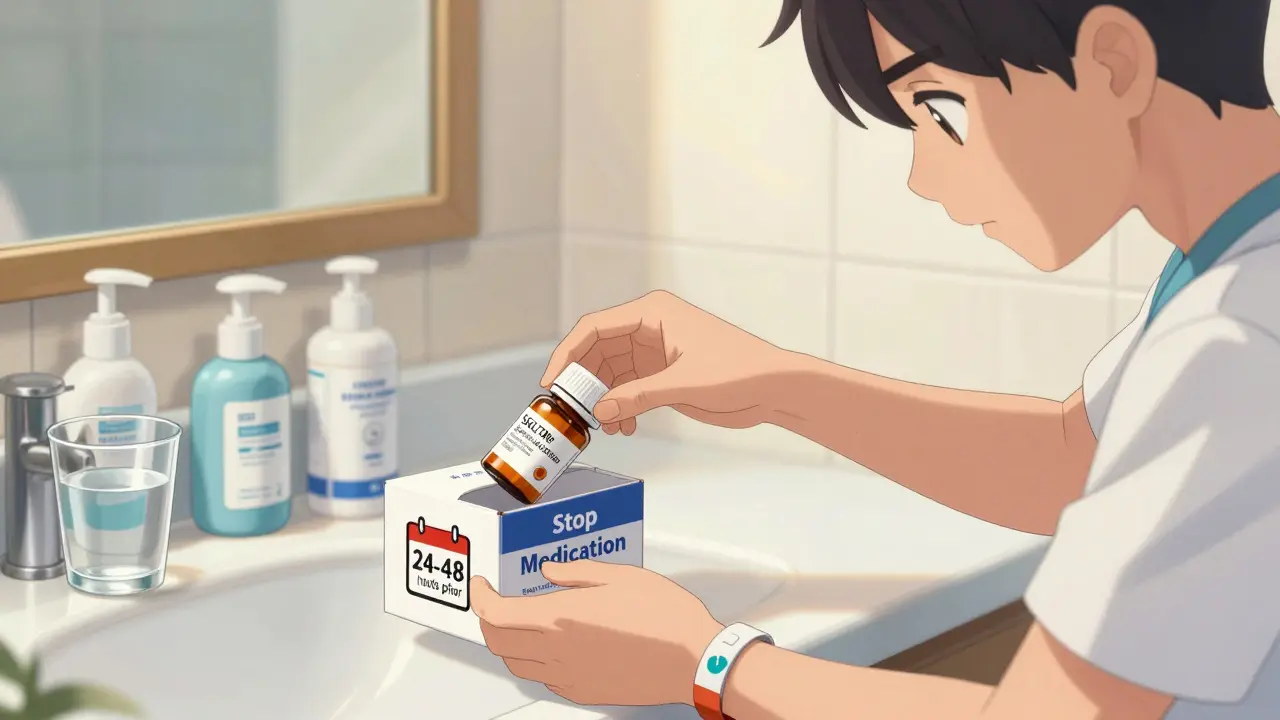
- Surgery Prep: Inform your surgeon and anesthesiologist about all diabetes medications. Stop SGLT2 inhibitors 24-48 hours prior to surgery as advised by your doctor.
- Kidney Health Checks: Get your eGFR and albumin-to-creatinine ratio checked annually to ensure your current meds are still safe for your kidneys.
- Carry ID: Wear a medical alert bracelet or carry a card stating you have diabetes and listing your medications. In case of severe hypoglycemia, first responders need this info immediately.
When to Seek Immediate Help
Know the red flags that require urgent medical attention:
- Severe Hypoglycemia: Confusion, slurred speech, seizures, or unconsciousness. Do not give food or drink to an unconscious person; seek emergency help for glucagon injection or IV dextrose.
- Signs of DKA: Nausea, vomiting, abdominal pain, fruity-smelling breath, and rapid breathing, even if blood sugar readings are only moderately elevated.
- Allergic Reactions: Rash, swelling, or difficulty breathing after starting a new medication.
Can I stop taking my diabetes medication if my blood sugar is normal?
No, never stop diabetes medication without consulting your doctor. Normal blood sugar is likely a sign that the medication is working. Stopping abruptly can lead to dangerous spikes in blood glucose, potentially causing hyperglycemic crises or long-term damage to organs.
What should I do if I miss a dose of my oral diabetes agent?
It depends on the medication. For metformin, take it as soon as you remember unless it’s close to your next dose. For sulfonylureas, if you’re close to mealtime, take it and eat. If it’s late, skip it to avoid hypoglycemia. Always refer to the specific instructions provided by your pharmacist or doctor for your particular drug.
Are SGLT2 inhibitors safe for people with a history of urinary tract infections?
They can be used, but with caution. Since SGLT2 inhibitors increase the risk of genital yeast infections and UTIs, patients with a frequent history of these issues should discuss the risks with their urologist or endocrinologist. Strict hygiene and hydration are essential if prescribed these drugs.
How does alcohol affect insulin and oral diabetes medications?
Alcohol inhibits the liver’s ability to release glucose, which can worsen hypoglycemia caused by insulin or sulfonylureas. It can also mask the symptoms of low blood sugar, such as tremors and sweating. It is best to limit alcohol intake and always consume it with food.
Why is kidney function testing important for diabetes patients?
Many diabetes medications, including metformin and some sulfonylureas, are processed by the kidneys. As diabetes can damage kidneys over time, reduced kidney function means drugs stay in the body longer, increasing the risk of side effects like lactic acidosis or severe hypoglycemia. Regular eGFR tests help doctors adjust doses safely.