
Have you been dealing with a stubborn rash that keeps coming back, no matter what creams you use? Maybe it shows up after wearing jewelry, using lotion, or even doing laundry. If so, you’re not alone. Millions of people suffer from contact allergy - a delayed immune reaction triggered by everyday substances like nickel in earrings or fragrance in shampoo. Unlike immediate allergies (like peanut or pollen reactions), this one sneaks up on you. It can take days to appear, making it hard to connect the dots. That’s where patch testing comes in.
What Is Patch Testing?
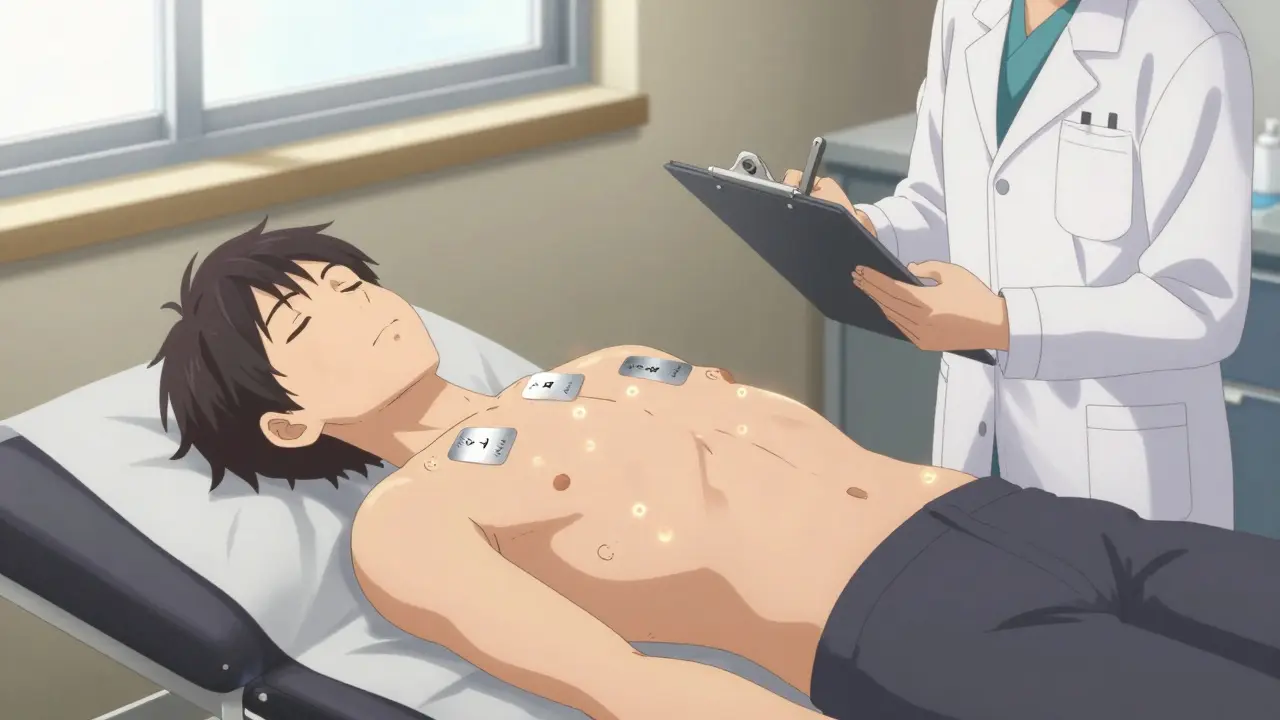
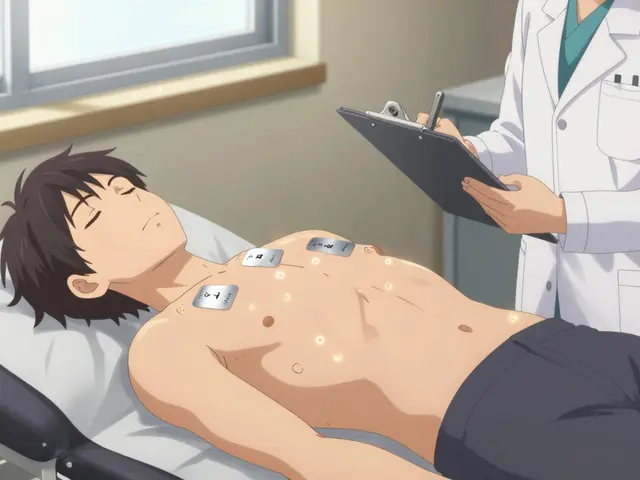
Patch testing is the gold standard for diagnosing allergic contact dermatitis. It’s not a blood test. It’s not a skin prick. It’s a simple, reliable way to find out what’s actually irritating your skin by placing tiny amounts of common allergens on your back and leaving them there for two full days.The test works because allergic contact dermatitis is a Type IV reaction - meaning it’s driven by your T-cells, not IgE antibodies. This is why antihistamines don’t help and why symptoms show up 24 to 72 hours after exposure. The test mimics real-life contact: allergens are applied in small amounts on aluminum discs, taped to your upper back, and left undisturbed. You can’t shower, sweat, or scratch during this time. It’s inconvenient, yes - but it’s the only way to know for sure what’s causing your rash.
Why Metals and Fragrances?
When dermatologists run patch tests, they focus on two major culprits: metals and fragrances. Why? Because they’re everywhere.Metal allergies are the most common. Nickel alone affects nearly 1 in 5 people tested. You’re exposed to it through jewelry, belt buckles, phone cases, eyeglass frames, and even some coins. Cobalt shows up in tools, makeup, and dental implants. Chromium is in cement, leather, and paints. All three are included in every standard patch test panel because they consistently rank among the top triggers.
Fragrances are trickier. You might think "fragrance-free" means safe, but that’s not always true. The term isn’t regulated. Many products labeled "unscented" still contain masking fragrances to cover up chemical smells. Common offenders include balsam of Peru, cinnamic aldehyde, and limonene - ingredients found in everything from lotions to laundry detergent to hand soap. In fact, 8 to 15% of people with chronic eczema test positive for fragrance allergy, according to the European Society of Contact Dermatitis.
Here’s the catch: testing only for "fragrance mix" isn’t enough. Fragrance Mix I and II together cover about 70-80% of reactions. But 10-15% of cases come from individual chemicals like lyral, hydroxycitronellal, or citral - substances removed from the mixes years ago because they became unstable. That’s why comprehensive testing now includes at least 15 individual fragrance chemicals alongside the mixes.
How the Test Works - Step by Step
There are three visits, spread over a week:
- Day 1 (Application): A dermatologist applies 30 to 80 allergens (depending on the panel) to your upper back using special tape. Each allergen is in a tiny chamber, labeled so they can be tracked. The whole process takes about 30 to 45 minutes. You’ll leave with a patch-covered back and strict instructions: no water, no sweating, no scratching.
- Day 3 (First Reading): After 48 hours, the patches are removed. The dermatologist checks for redness, bumps, or blisters. A reaction labeled "++" or higher is considered a clear positive. But some reactions appear later, so you’re not done yet.
- Day 5 or 7 (Final Reading): The skin is checked again at 72 to 96 hours - and sometimes even at 7 days. Delayed reactions are common, especially with fragrances. Missing this step can lead to false negatives.
Reactions are graded on a standard scale:
- (−) No reaction
- (+) Doubtful (faint redness)
- (++) Weak positive (raised red bump)
- (+++) Strong positive (blisters, swelling)
- (+++++) Extreme reaction
It’s not uncommon to get a "doubtful" result. That’s why interpretation matters. A board-certified dermatologist trained in patch testing will look at your history, the pattern of the reaction, and whether it matches known allergens. Some reactions are irritant - not allergic - and need to be filtered out.
What Happens After the Test?
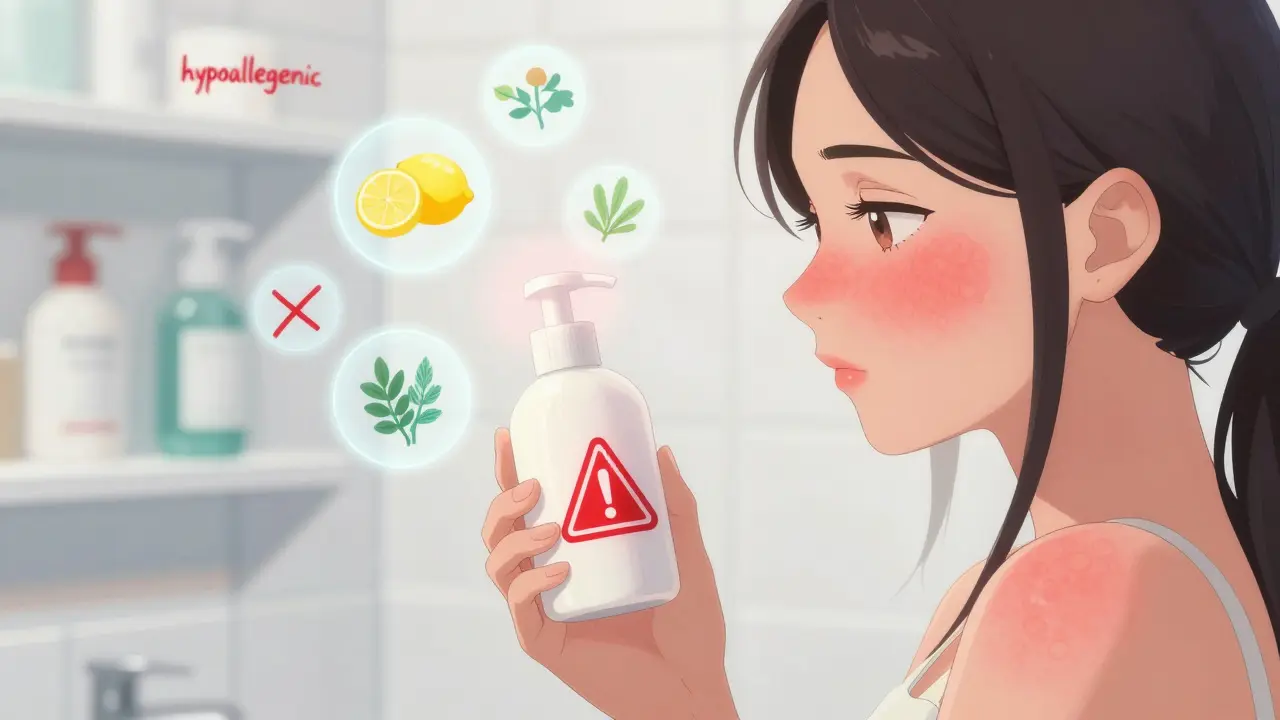
If you test positive, you get a detailed list of what to avoid. For metals, that might mean switching to titanium or surgical-grade stainless steel jewelry. For fragrances, it means reading labels like a detective. Ingredients like "parfum," "fragrance," "essential oil," or "aroma" are red flags. Even "natural" doesn’t mean safe - tea tree oil, lavender, and citrus extracts can all trigger reactions.
Studies show that 60 to 80% of patients see their skin clear up completely once they avoid the allergens identified. One woman, a nurse with chronic hand eczema, traced her problem to nickel in surgical tools. After switching to nickel-free instruments and using protective gloves, her rash vanished. Another man, who’d struggled with facial rashes for years, found out his daily moisturizer contained balsam of Peru. He switched to a fragrance-free, hypoallergenic formula - and his skin never looked better.
But avoidance isn’t always easy. Fragrances are in 80% of personal care products. Nickel is in cheap electronics and zippers. You’ll need to learn how to shop smart - look for products certified by the National Eczema Association or the Contact Dermatitis Society. And don’t assume "hypoallergenic" means safe. That label isn’t regulated.
What Doesn’t Work
Don’t waste time on blood tests. Lymphocyte transformation tests (LTT) for allergies exist, but they’re not standardized for fragrance or metal allergies. Their sensitivity is only 60-70%, compared to patch testing’s 85-90%. They’re also expensive and rarely covered by insurance.
Self-testing with your own products? No. Applying your shampoo or lotion directly to your skin sounds logical - but it’s unreliable. You might get an irritant reaction instead of an allergic one. And without knowing the exact chemical concentration, you can’t tell the difference.
Even photopatch testing - used for reactions triggered by sunlight - isn’t needed for most people. It’s only for those who get rashes after sun exposure and use certain medications or creams.

Common Problems and How to Avoid Them
False negatives happen. About 22% of patients report no reaction, even though they had a clear trigger. This usually happens if:
- They showered or sweated during the test
- The patches fell off
- They only had a basic panel (missing key fragrance chemicals)
- They tested too soon after using steroids
False positives are rarer but possible. Irritant reactions can mimic allergies - especially if the tape causes friction or if the allergen concentration is too high. That’s why experienced dermatologists interpret results carefully. They’ll ask: "Did this reaction happen on the same spot every time? Is it consistent with known exposure?"
One study found that 15% of patients removed patches early because of itching. Don’t do it. It ruins the test. If you’re itchy, call your doctor. There are safe ways to manage discomfort.
Who Should Get Tested?
If you have:
- Chronic eczema that doesn’t respond to standard treatments
- Rashes that appear after using certain products
- Hand, face, or neck dermatitis that keeps coming back
- A history of metal jewelry reactions
- Or you’re frustrated by "unexplained" skin issues
…then patch testing could be the answer. It’s especially important if you’ve tried everything else. The American Contact Dermatitis Society recommends it for anyone with persistent dermatitis lasting more than 6 weeks.
The Bigger Picture
More than 5.7 million patch tests are done in the U.S. each year - and that number is rising. Why? Because consumer products are getting more complex. New fragrances, new metal alloys, new preservatives. The North American Contact Dermatitis Group updated its panel in 2023 to include 8 new fragrance chemicals, including citral and farnesol - substances that are now showing up in more reactions.
Regulations are catching up too. The EU requires 26 fragrance allergens to be labeled on products. The U.S. FDA is moving toward similar rules. But until then, you have to read labels yourself.
And here’s something surprising: even "fragrance-free" products can contain hidden sensitizers. A 2024 study found that 1 in 5 products labeled "hypoallergenic" still triggered reactions in patch-tested patients. That’s why knowing your exact allergens matters more than ever.
Patch testing isn’t glamorous. It’s not quick. But for people with chronic skin issues, it’s life-changing. One Reddit user wrote: "After 12 years of rashes, patch testing told me my laundry detergent was the problem. I switched brands. My hands haven’t cracked since."
If you’ve been guessing what’s causing your rash, it’s time to stop. The answer is probably on your back - if you’re willing to wear the patches for two days.
Is patch testing painful?
No, it’s not painful. The patches are taped to your skin - no needles. You might feel slight pressure or mild itching, but most people say it’s barely noticeable. The real challenge is avoiding water and sweat for 48 hours.
How long does it take to get results?
You’ll get your first results after 48 hours, but the final reading happens between 72 and 96 hours. Some clinics check again at 7 days. So you’ll need three visits over about a week.
Can I test for just one allergen, like nickel?
Technically, yes - but it’s not recommended. Most people react to more than one allergen. Testing only for nickel might miss a fragrance allergy that’s also causing your rash. Comprehensive panels catch 68.7% of cases, while limited panels catch less than half.
Are patch tests covered by insurance?
Most major insurance plans cover patch testing if it’s ordered by a dermatologist for suspected allergic contact dermatitis. You’ll likely need a referral. Check with your provider - some require pre-authorization.
What if I test positive for a fragrance I can’t avoid?
You don’t have to avoid everything. Many fragrances are only problematic in certain concentrations or product types. For example, you might react to perfume but not to fragrance-free shampoo. Your dermatologist will help you prioritize - which allergens are most likely causing your symptoms, and which products you can safely switch.
Can children get patch tested?
Yes - but it’s less common. Most patch testing is done on adults with chronic rashes. In children, eczema is often caused by food allergies or genetics. However, if a child has persistent, localized dermatitis that doesn’t respond to treatment, patch testing may be considered.
How accurate is patch testing?
Patch testing has a specificity of 95-98% - meaning if it says you’re allergic, you almost certainly are. Sensitivity is around 85-90%, so it catches most true allergies. It’s far more accurate than blood tests or self-diagnosis.
What if I get a negative result but still have symptoms?
A negative result doesn’t rule out contact allergy. You might have been tested with an incomplete panel, or you might be reacting to a chemical not included in standard tests. Some allergens - like certain preservatives or industrial chemicals - require custom testing. Talk to your dermatologist about further options.


Vanessa Drummond
February 26, 2026 AT 06:38Ugh, I thought my eczema was from stress until I got patch tested. Turns out my cheap earrings were poisoning my skin. Nickel is everywhere, and no one warns you. I went full detective mode-checked every metal thing I touched. Now I wear titanium, and my arms haven’t broken out in months. Thank you for this post. I finally feel seen.
Nick Hamby
February 27, 2026 AT 05:17Thank you for this meticulously detailed and clinically grounded overview. The distinction between Type IV hypersensitivity and IgE-mediated reactions is often misunderstood, even among healthcare providers. I appreciate how you emphasized the importance of the 72- to 96-hour reading window-many clinics skip this, leading to false negatives. The data on fragrance allergens, particularly the removal of lyral and hydroxycitronellal from standard mixes, is critical. This is precisely the kind of patient-centered science we need more of.
kirti juneja
February 28, 2026 AT 00:48OMG YES!! I’m from India and we use so much ‘natural’ stuff-jasmine oil, neem, turmeric pastes-and I had rashes for YEARS. Thought it was my ‘sensitive skin.’ Patch test revealed I’m allergic to balsam of Peru AND tea tree oil. Who knew? Now I read labels like a spy. My dermatologist laughed and said, ‘Welcome to the club.’ If you’re Indian and have eczema? Get tested. Don’t blame your ‘body heat.’
Haley Gumm
March 1, 2026 AT 00:54So let me get this straight-you’re telling me my $80 ‘hypoallergenic’ face cream has 17 hidden fragrances? And the ‘fragrance-free’ one? Also contains masking agents. And I’ve been using them for 10 years? Wow. Just wow. This isn’t dermatology. This is a corporate conspiracy wrapped in a moisturizer. I’m done. I’m switching to Vaseline and crying into my oatmeal bath.
Gabrielle Conroy
March 1, 2026 AT 19:08THIS. THIS. THIS!!! 😭🙌 I got patch tested last year and found out I’m allergic to LIMONENE and COBALT!! I had NO IDEA. Now I check EVERYTHING-my phone case, my keys, my shampoo, even my yoga mat!! 🤯 I started a spreadsheet and now I’m basically the Patch Test Queen of Reddit. If you’re reading this and have a rash? DO IT. It changed my life. DM me if you need help reading labels!! 💕
Spenser Bickett
March 3, 2026 AT 16:39so uhhh… you’re telling me the reason i’ve had a face rash since 2018 is because i used lavender soap? wow. what a coincidence. also, why are we still doing this in 2024? why not just ban all fragrances? oh right. capitalism. also, nickel? in coins? in my iphone? in my bra clasp? i’m just vibing with my eczema now. 🤡
Christopher Wiedenhaupt
March 3, 2026 AT 21:52The clinical utility of patch testing is well documented in the literature. I appreciate the inclusion of updated allergens such as farnesol and citral, which reflect the evolving nature of consumer product formulation. However, I would suggest that future iterations of this guide reference the 2023 North American Contact Dermatitis Group guidelines more explicitly, particularly regarding panel composition thresholds and interpretation criteria for doubtful reactions.
John Smith
March 5, 2026 AT 21:42So let me get this straight. I have to stop using my favorite shampoo because it contains a molecule that triggers my T-cells? And I’m supposed to believe this over a blood test that’s been around for decades? How many people have to suffer before the FDA actually does something? This isn’t science. This is a bureaucratic game played by dermatologists with too much time on their hands.
Shalini Gautam
March 7, 2026 AT 16:58India has been dealing with this for centuries. Our grandmothers used neem and turmeric because they knew what was real. Now we’re told to go to some fancy American clinic to find out our coconut oil is the problem? Please. We didn’t need patch tests. We had tradition. And now we’re being sold expensive tests because corporations want us to buy ‘fragrance-free’ products that cost twice as much. This isn’t progress. This is colonialism in lotion form.
Erin Pinheiro
March 9, 2026 AT 13:35Okay, so I got patch tested and I’m allergic to 7 things. 7. I used to think I was just ‘sensitive.’ Now I know I’m basically allergic to modern life. My laundry detergent? No. My toothpaste? No. My partner’s cologne? We’re breaking up. I’ve started wearing gloves to open mail. I’ve become a hermit. And now I’m writing this from my bunker. I’m not mad. I’m just… disappointed. In everything.
Gwen Vincent
March 10, 2026 AT 05:23I’ve been reading this whole thing and I just want to say-thank you. Not just for the info, but for the tone. You didn’t sugarcoat it, but you didn’t make it scary either. I’ve had eczema since college and I’ve tried everything. This is the first time I’ve felt like someone actually understands what it’s like to live with this. I’m scheduling my test tomorrow. I’m not alone anymore.
tia novialiswati
March 10, 2026 AT 20:12Yessssss!!! 💕 I got tested last year and it was LIFE CHANGING!!! My face stopped breaking out after I switched from my ‘natural’ moisturizer to a plain white cream with 2 ingredients. I cried. I danced. I sent thank you notes to my derm. If you’re hesitating? Just DO IT. You’ll thank yourself. Also-use the National Eczema Association’s app. It’s a game changer. 💖
Vanessa Drummond
March 11, 2026 AT 02:26Wait, you said you’re allergic to cobalt? That’s wild. I just found out my laptop charger has cobalt in the casing. I’ve been holding it for 8 hours a day. No wonder my wrists are red. I’m buying a silicone sleeve tonight. Also-tia, your app recommendation is genius. I downloaded it. We’re basically patch test sisters now. 😘